

Archive · 24 Jun 2025
India's Cities Seek Solutions to Traffic and Urban Mobility
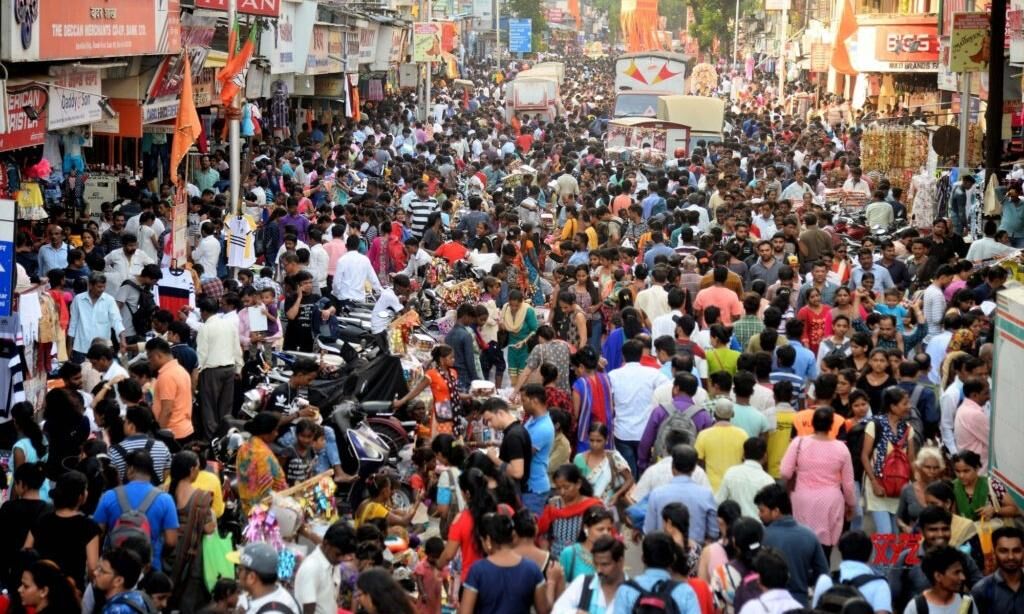
Cities in India are getting crowded because many people are moving there.
This causes traffic jams and uses too much space for cars.
Instead of just building more roads, cities are trying to make better use of what they have.
Things like carpooling and ride-sharing apps help.
But these ideas need more support from the government and better planning.
The goal is to create cities where it's easy to move around, with options like buses, bikes, and shared cars, instead of just private vehicles.

Indian cities are struggling to accommodate growing populations, leading to infrastructure strain.
Some states are exploring optimizing existing infrastructure usage to alleviate congestion.
Private car ownership contributes significantly to congestion, using more space than public transport.
Shared mobility services show potential, but face challenges due to inadequate policy support.
Integrating shared mobility with public transport is crucial for effective urban planning.
- Who
- City planners, government officials, residents, and shared mobility providers.
- What
- Strategies to alleviate traffic congestion and improve urban mobility in Indian cities.
- When
- Ongoing efforts to improve urban infrastructure and mobility.
- Where
- Indian cities, including Delhi, Mumbai, Kochi, and Surat.
- Why
- To address traffic congestion, improve public space utilization, and enhance access to public transport.
Current Approach
Alternative Vision
Infrastructure Focus
Current Approach
Prioritizing private vehicle usage, with a focus on road expansion and parking.
Alternative Vision
Prioritizing shared mobility and public transport, optimizing existing infrastructure.
- World Bank congestion cost (annual)
- $22 billion
- Cars occupying road space (Delhi)
- 75% of road space
- Car ownership in Indian households
- Less than 10%
- Footpaths blocked by cars (Mumbai)
- Nearly 30%
