Archive · 31 Jul 2026
Oil Prices Dip as Hormuz Traffic Improves, Still Set for 20% Monthly Gain
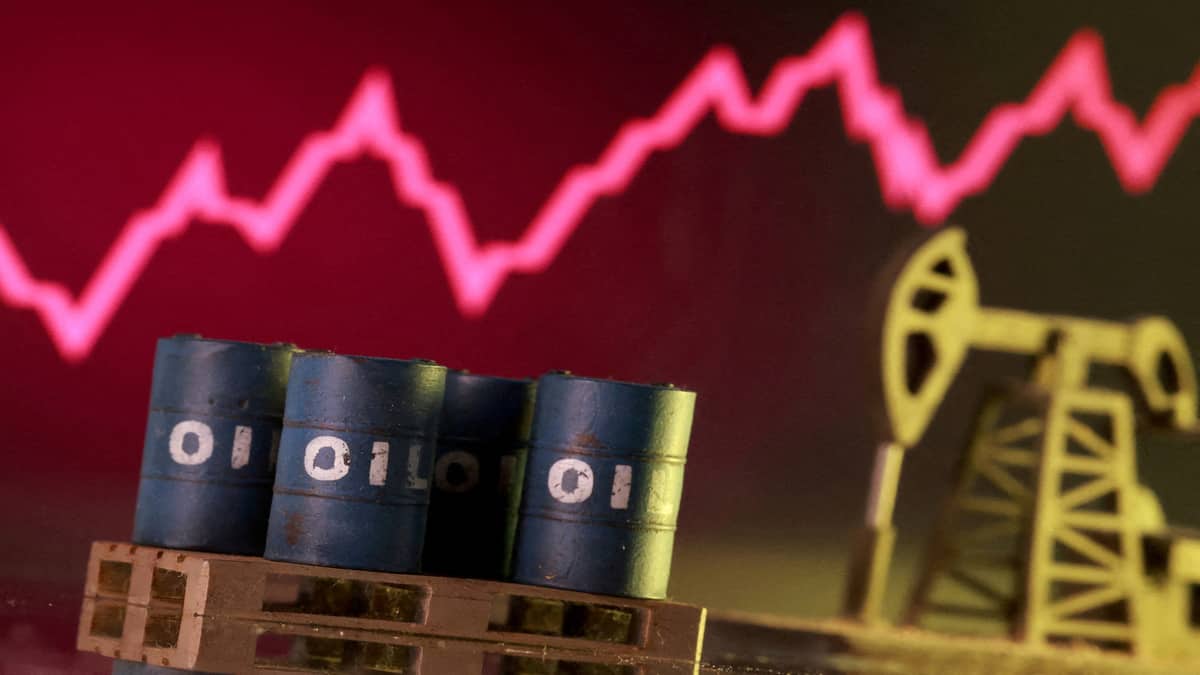
Oil prices went down a little on Friday because more ships were moving through the Strait of Hormuz, a key waterway for oil.
Even though prices fell, experts think they will still go up a lot by the end of July because of worries about conflicts in the Middle East.
Saudi Arabia is working with 14 other countries to keep shipping safe.
Yemen’s Houthi fighters said they would block ships near Saudi Arabia, which could hurt oil flow.
People who trade oil are watching talks between the U.S. and Iran closely, hoping for peace but fearing more trouble.

Brent and WTI crude fell about 1–2% on Friday as tanker traffic through the Strait of Hormuz improved.
Both benchmarks are still expected to finish July roughly 20% higher, reflecting ongoing geopolitical tensions in West Asia.
Saudi Arabia is leading a multinational maritime security coalition, with 14 countries backing the initiative.
Iran‑backed Houthi militants in Yemen announced a naval blockade targeting Saudi Arabia, raising concerns over Red Sea oil shipments.
Traders remain cautious as diplomatic talks between the U.S. and Iran show limited progress, keeping oil markets volatile.
- Who
- Saudi Arabia, United States, Israel, Iran, Houthi militants
- What
- Oil prices fell due to improved tanker traffic but remain poised for a strong monthly rise
- When
- Friday, July 2024
- Where
- Strait of Hormuz, Red Sea, Gulf of Aden
- Why
- Improved shipping activity eased supply fears, while geopolitical tensions keep prices elevated
- Brent price
- $88 per barrel
- WTI price
- $82.09 per barrel
- Projected July gain
- 20%
- Key route
- Strait of Hormuz
- Coalition support
- 14 countries