

Archive · 11 Jun 2025
GERD: The Hidden Culprit Behind Chest Pain Symptoms
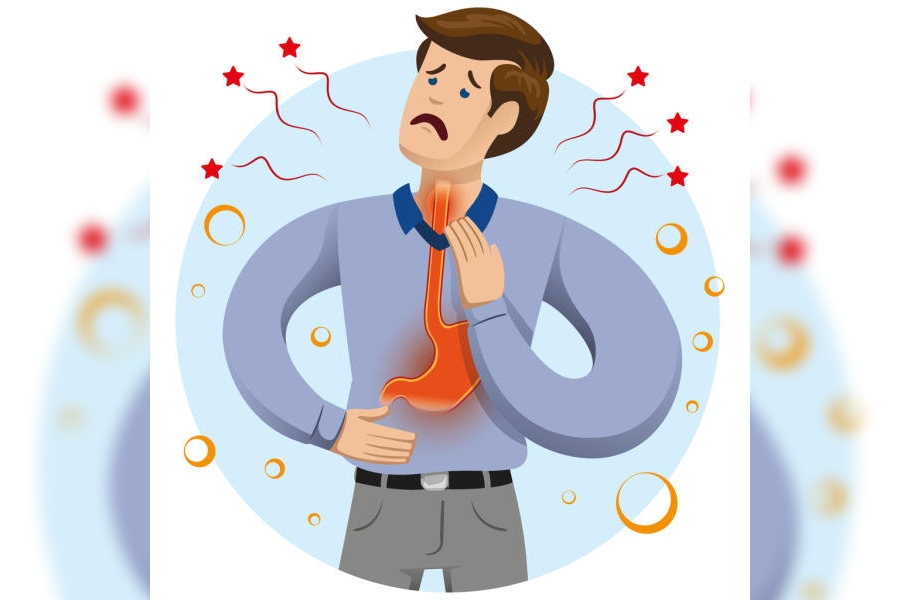
Sometimes, people get a painful feeling in their chest, and it's scary because it can feel like a heart attack.
But often, the real problem is acid from your stomach going back up into your food pipe, like a burp that goes the wrong way.
This is called GERD.
The acid irritates the food pipe, which causes pain and other issues like a cough.
Things like eating too much, being overweight, or eating certain foods can make this happen more.
Doctors use tests to see if you have GERD, and you can help yourself feel better by changing your diet and habits.
Certain medicines can also help.

Chest pain, often mistaken for a heart attack, can be caused by gastro-esophageal reflux disease (GERD).
GERD occurs when stomach acid flows back into the esophagus, irritating it.
Common symptoms include chest pain, hoarseness, cough, and a sour taste in the mouth.
Factors like pregnancy, obesity, and diet can increase the likelihood of GERD.
Lifestyle changes and medication are used to manage GERD symptoms.
- Who
- People of all ages.
- What
- Chest pain caused by stomach acid reflux (GERD).
- When
- Symptoms can occur suddenly.
- Where
- In the chest and esophagus.
- Why
- Stomach acid irritates the esophagus.
Medical Solutions
Lifestyle Modifications
Medication use
Medical Solutions
Avoid long-term unsupervised use of medication, which can cause bowel disturbances and malabsorption of vitamins.
Lifestyle Modifications
Use antacids (one hour after food, refrigerated) or acid-production blockers (omeprazole, ranitidine).
- Main Cause
- Acid regurgitation from the stomach into the food pipe (oesophagus).
- Population affected by GERD
- 15%
- Common Symptoms
- Central chest pain without radiation, hoarseness, cough, throat clearing, food regurgitation, sour taste, bad breath.
- Risk Factors
- Pregnancy, obesity, large meals, or lying down immediately after eating.
- Diagnostic Methods
- Endoscopy, X-rays, acid tests, heart evaluations.
- Substances to avoid
- Tobacco, alcohol, carbonated drinks, fatty food and large meals