

Archive · 22 Jul 2026
Shiv Sena(UBT) Criticizes BJP Over Youth Protests
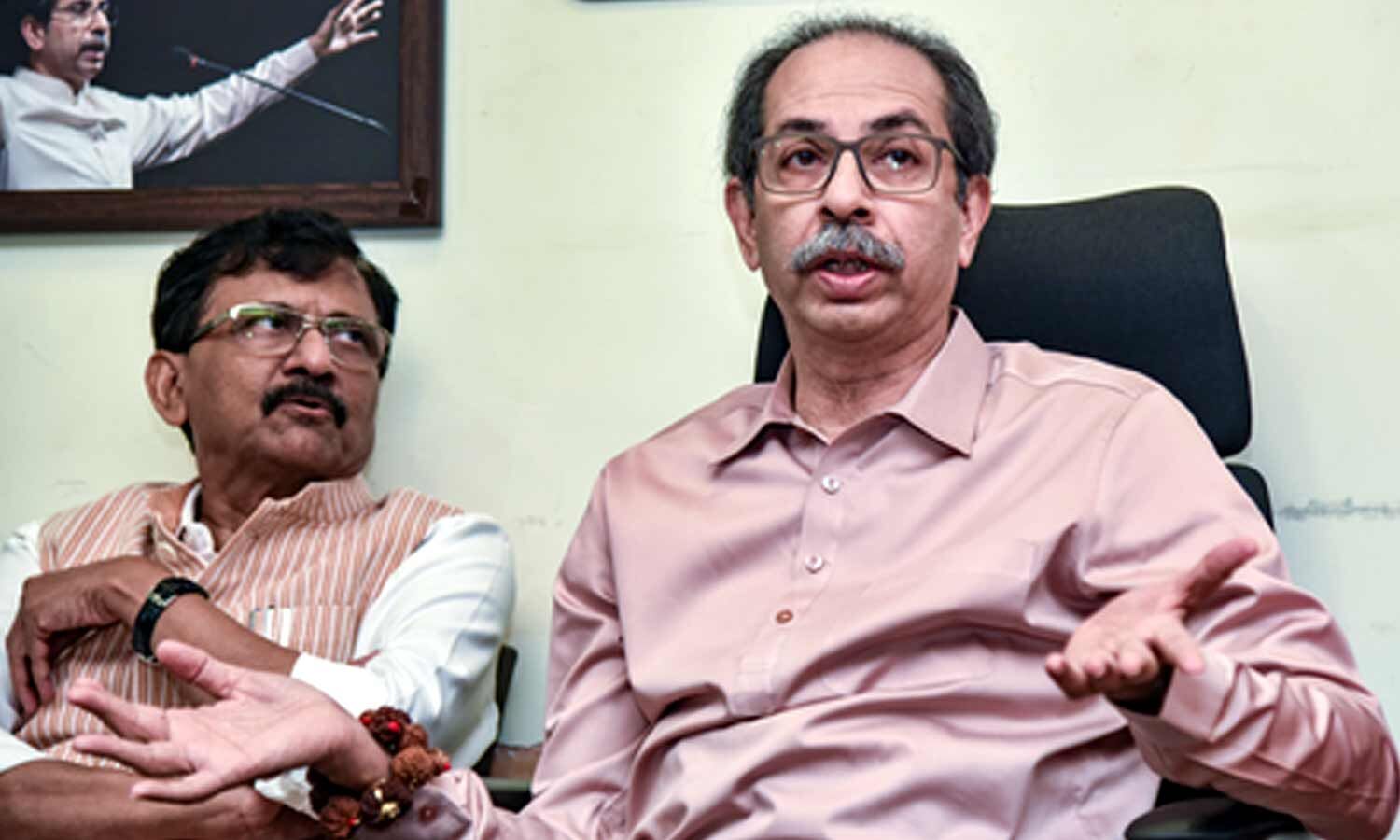
The Shiv Sena(UBT) has criticized the BJP-led Central Government for using force against youth protesters in New Delhi.
The party's editorial in 'Saamana' argues that the government is avoiding dialogue and accountability.
It compares the situation to global youth-led revolutions and warns of potential civil unrest.
The editorial also demands the resignation of Union Education Minister Dharmendra Pradhan, accusing the government of corruption and inefficiency.

Shiv Sena(UBT) criticizes BJP-led government for using force against youth protesters in New Delhi.
Government accused of avoiding dialogue and accountability.
Editorial compares situation to global youth-led revolutions.
Demand for resignation of Union Education Minister Dharmendra Pradhan.
Government accused of capturing democratic institutions and avoiding opposition representation.
- Who
- Shiv Sena(UBT) and BJP-led Central Government
- What
- Criticism of government's handling of youth protests
- When
- Recent youth-led protests in New Delhi
- Where
- New Delhi, India
- Why
- Government's use of force and lack of dialogue with protesters
Shiv Sena(UBT)
BJP-Led Central Government
Use of Force vs. Dialogue
Shiv Sena(UBT)
The Shiv Sena(UBT) criticizes the BJP-led government for using force against protesting youth and not engaging in dialogue.
BJP-Led Central Government
The BJP-led government has not publicly responded to these criticisms.
Government Accountability
Shiv Sena(UBT)
The Shiv Sena(UBT) demands the resignation of Union Education Minister Dharmendra Pradhan, accusing the government of avoiding accountability.
BJP-Led Central Government
The BJP-led government has not taken any action on this demand.
- Protests
- Youth-led protests in New Delhi
- Police Action
- Police used force against protesters
- Government Response
- No dialogue with protesters
- Ministerial Resignation
- Demand for Dharmendra Pradhan's resignation
- Global Comparisons
- Parallels drawn with revolutions in Libya, Bangladesh, and Nepal