

Archive · 19 Sep 2025
World's Rarest and Scariest Diseases: Overview
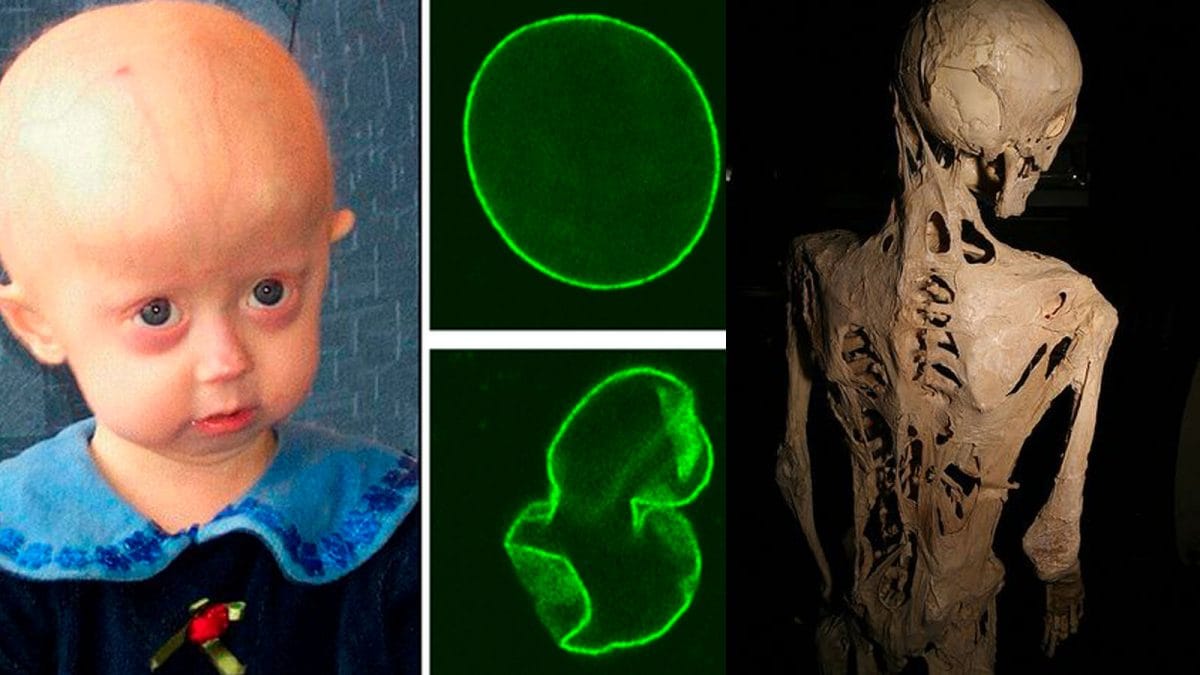
Sometimes, people get sick with diseases that are very uncommon.
This article talks about some of the rarest and most unusual diseases in the world.
One disease, RPI Deficiency, has only had one recorded case.
Others like Field’s disease cause muscles to get weaker.
Some diseases, like HGPS, make children age very quickly.
Some conditions cause unusual symptoms, such as having blue skin (Methemoglobinemia), getting hives from water (Aquagenic Urticaria), or suddenly speaking with a different accent (Foreign Accent Syndrome).
There are also severe genetic conditions like Lesch–Nyhan Syndrome, which can cause self-harm.
Kuru disease was spread through cannibalism.
Lastly, Harlequin Ichthyosis causes thick, plate-like scales.

The article explores several rare diseases, including RPI Deficiency and Field’s Disease.
Hutchinson-Gilford Progeria Syndrome causes rapid aging in children.
Methemoglobinemia results in blue-colored blood.
Aquagenic Urticaria is an extreme reaction to water, causing hives.
Foreign Accent Syndrome involves speaking with a foreign accent after brain injury.
- Who
- People with rare diseases such as RPI Deficiency, Field’s Disease, HGPS, Methemoglobinemia, Aquagenic Urticaria, Foreign Accent Syndrome, Lesch–Nyhan Syndrome, Kuru Disease, and Harlequin Ichthyosis
- What
- An overview of rare and unusual diseases.
- When
- The article was last updated on September 19, 2025.
- Where
- Globally, as these diseases affect people worldwide.
- Why
- To highlight the existence and characteristics of rare diseases.
- Primary Focus
- Rare and unusual diseases
- RPI Deficiency
- One known case in 1984, affects metabolic processes
- Field's Disease
- Extremely rare neuromuscular disorder, muscle degeneration
- HGPS
- Causes rapid aging in children; approximately 1 in 20 million affected
- Foreign Accent Syndrome
- Neurological condition causing a foreign-sounding accent
- Lesch-Nyhan Syndrome
- Genetic disorder, excess uric acid, self-harm behavior
- Kuru Disease
- Prion disease from cannibalism