

Archive · 26 Dec 2025
Study Suggests Global Warming Could Trigger Ice Age
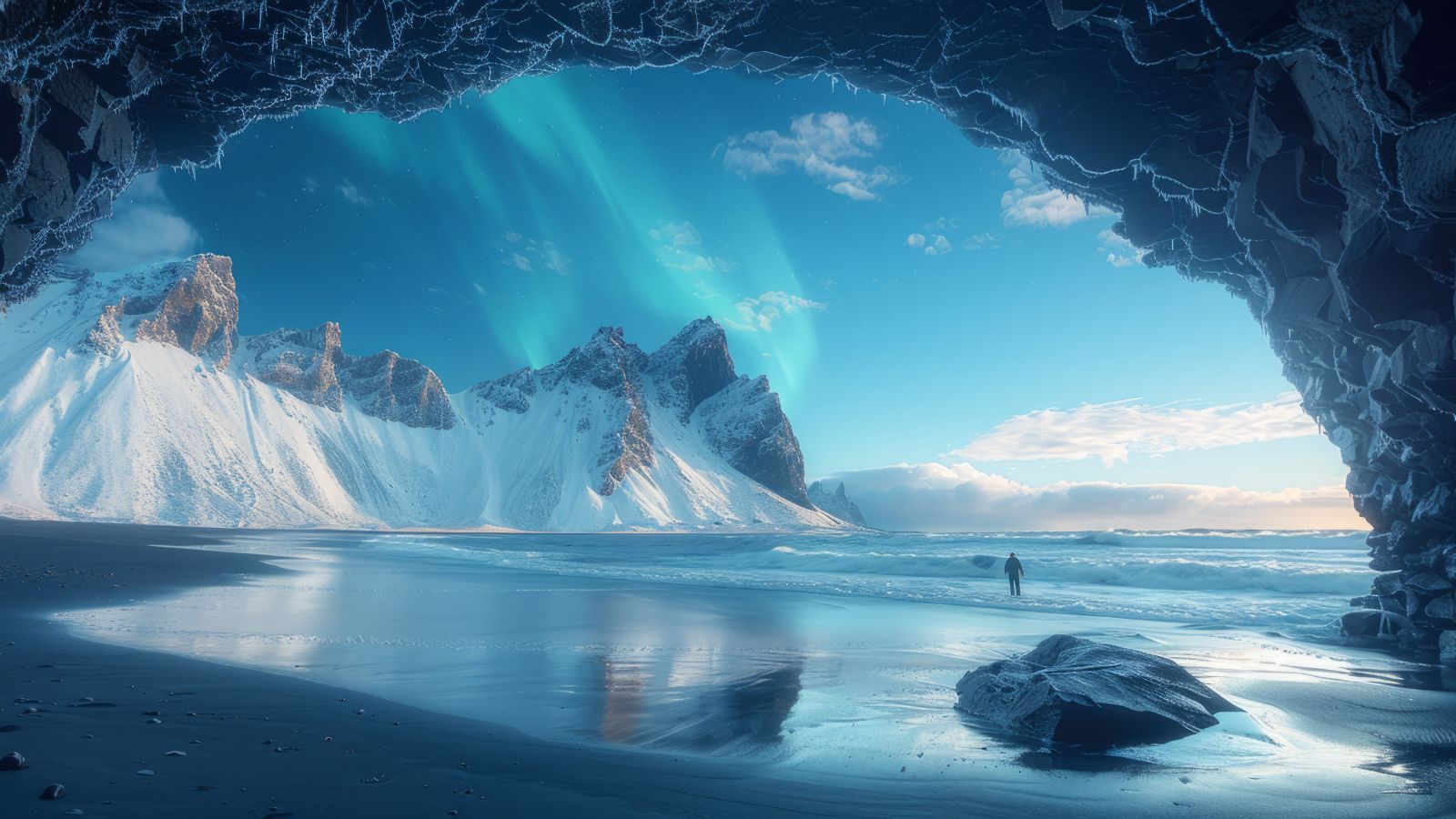
Scientists have found that global warming might actually lead to an ice age in the future.
They discovered a new way Earth's climate can change.
Normally, rocks and rain help keep the planet's temperature steady by absorbing carbon dioxide.
But sometimes, this process can go too far.
When the planet gets warmer, more nutrients like phosphorus wash into the oceans.
These nutrients help tiny plants called plankton grow.
When plankton die, they take carbon with them to the ocean floor.
This can lower the amount of carbon dioxide in the air, making the planet cooler.
In the past, this made ice ages much worse.
Today, the effect is weaker, but it could still bring an ice age sooner than expected.
However, this won't happen for a very long time, so we still need to focus on stopping current warming.

Scientists at UC Riverside found a new mechanism that could lead to an ice age due to global warming.
The process involves rock weathering, ocean nutrients, and plankton, which can lower atmospheric CO₂ levels.
Ancient ice ages were more severe because of lower oxygen levels, which made the feedback loop stronger.
Modern conditions have higher oxygen levels, weakening the feedback loop but still allowing for potential long-term cooling.
The researchers emphasize that this long-term cooling does not negate the urgent need to address current global warming.
- Who
- Scientists at the University of California, Riverside
- What
- Identified a new mechanism that could lead to an ice age due to global warming
- When
- Research published in September 2025
- Where
- University of California, Riverside
- Why
- To explain why ancient ice ages were so severe and to understand long-term climate regulation
- Research Institution
- University of California, Riverside
- Publication Date
- September 2025
- Key Process
- Rock weathering and ocean nutrient cycles
- Ancient Ice Ages
- More severe due to lower oxygen levels
- Modern Conditions
- Higher oxygen levels weaken feedback loop
- Future Ice Age
- Could be brought forward by tens or hundreds of thousands of years