

Archive · 23 Jan 2026
Unqualified Doctors in Pakistan Threaten Public Health
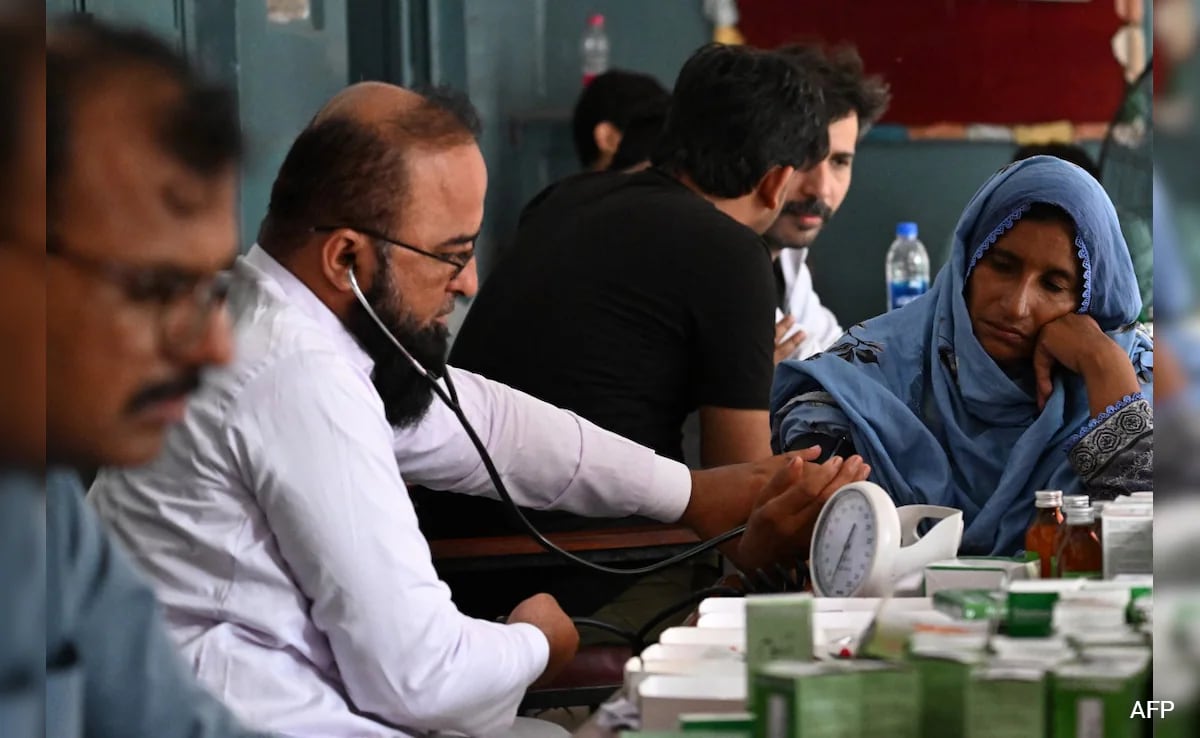
In Pakistan, many people who are not real doctors are treating patients.
They don't have the right training or licenses, but they still open clinics and see patients.
These unqualified doctors often reuse dirty equipment, which can spread diseases like hepatitis and AIDS.
They also give the wrong treatments, which makes people sicker and overwhelms the hospitals.
The government knows this is a problem, but they don't have enough resources or strong enough laws to stop it.
Many people in poor communities don't know the difference between a real doctor and a fake one, so they keep going to these unqualified doctors for help.

More than 600,000 unqualified doctors are operating across Pakistan, posing a significant public health risk.
These practitioners often reuse unsterilized equipment, increasing the spread of diseases like hepatitis and AIDS.
Unqualified doctors misdiagnose and mistreat patients, overwhelming tertiary care hospitals with complicated cases.
Regulatory authorities struggle to control the problem due to limited resources, weak laws, and security threats.
Poor communities often rely on these unlicensed clinics as their primary or only point of care.
- Who
- Unqualified doctors and patients in Pakistan
- What
- Unqualified doctors practicing medicine without proper qualifications
- When
- Ongoing issue with no immediate solution
- Where
- Across Pakistan, particularly in poor communities
- Why
- Lack of education, weak regulations, and limited resources for enforcement
- Number of unqualified doctors in Pakistan
- More than 600,000
- Consultation fee at unqualified clinics
- 300 rupees ($1)
- Common diseases spread by reused equipment
- Hepatitis and AIDS
- Impact on healthcare system
- Overwhelmed tertiary care hospitals
- Challenges faced by regulatory authorities
- Limited resources, weak laws, security threats