

Archive · 16 Aug 2025
White vs. Black Chia Seeds: Differences, Health, and Use
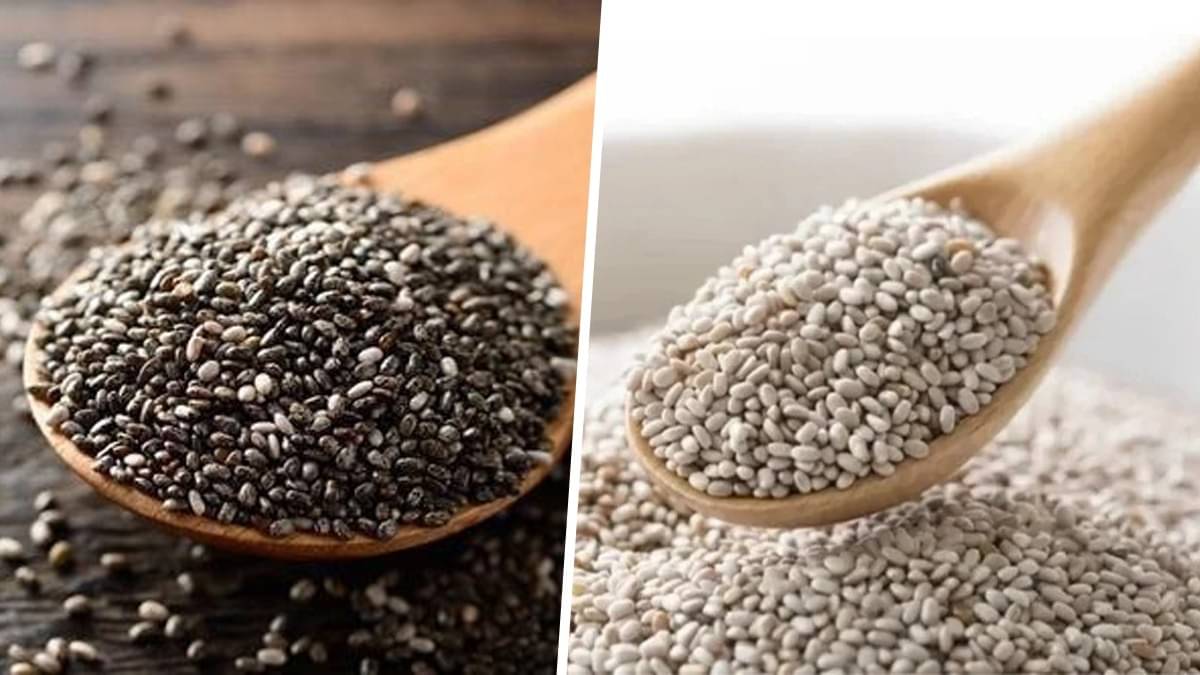
Chia seeds are a healthy food packed with good stuff.
There are two main kinds: white and black.
They come from the same plant but look different.
White chia seeds are from a lighter part of the plant and might have more of something good for your heart and brain.
Black chia seeds might have more things that help fight off bad stuff in your body.
Both kinds taste the same and can be used in different dishes.
Black chia seeds are easier to find and usually cost less.

White chia seeds originate from a lighter strain of the Salvia hispanica plant, while black chia seeds are a mix of dark-colored seeds.
Both types of chia seeds come from the same plant species and have nearly identical nutrient profiles.
White chia seeds are sometimes said to contain more omega-3 fatty acids, potentially benefiting heart and brain health.
Black chia seeds might have a slightly higher antioxidant content, which helps fight free radicals and reduce inflammation.
Black chia seeds are more widely available and typically less expensive than white chia seeds.
- Who
- White and black chia seeds.
- What
- A comparison of white and black chia seeds, including their origins, nutritional differences, taste, and availability.
- When
- Not explicitly mentioned in the article.
- Where
- Not explicitly mentioned in the article.
- Why
- To clarify the differences between white and black chia seeds and determine if there is a health benefit.
White Chia Seeds
Black Chia Seeds
Nutritional Benefits
White Chia Seeds
May contain more omega-3 fatty acids.
Black Chia Seeds
May contain slightly less antioxidants
- Origin
- White: Lighter strain of Salvia hispanica; Black: Mix of seeds from the same plant.
- Nutrient Profile
- Nearly identical.
- Omega-3
- White seeds possibly contain more.
- Antioxidants
- Black seeds may have slightly more.
- Taste
- Neutral, mildly nutty.
- Availability
- Black seeds are more common.
- Cost
- Black seeds are usually less expensive.