Archive · 18 Sep 2026
New UPI MDR Charge Sparks Debate Over Merchant Costs
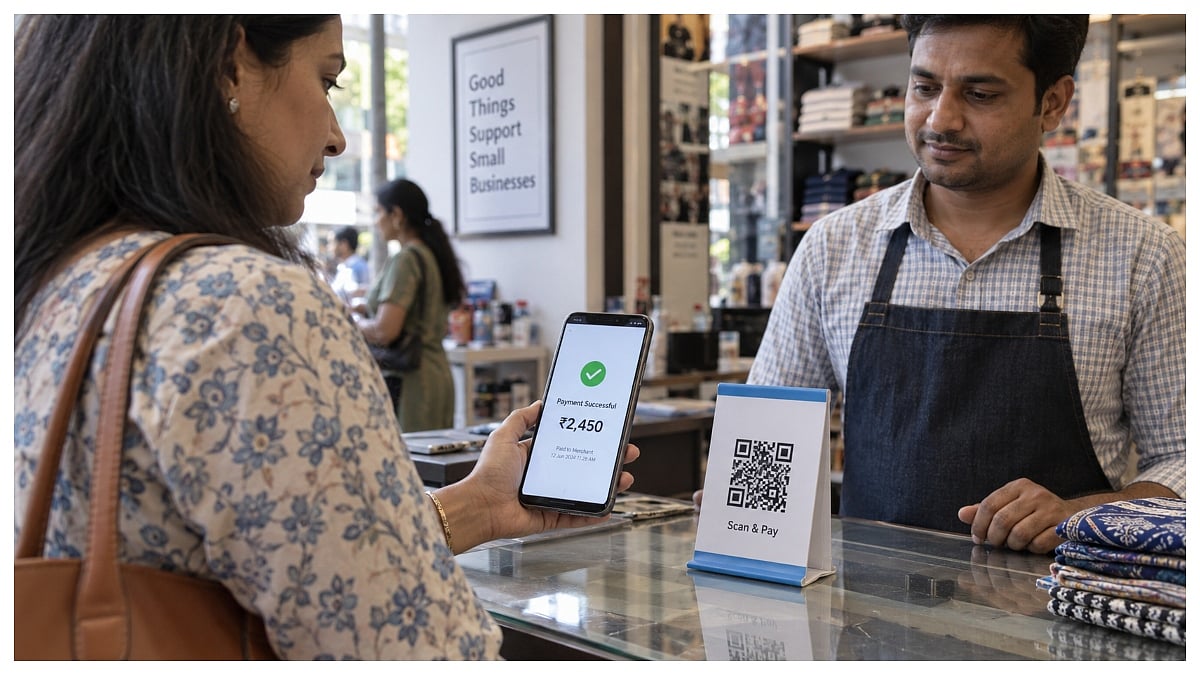
The government is introducing a small fee for some UPI payments made to businesses.
The fee is 0.4% when an eligible payment is above Rs 2,000, and it cannot be more than Rs 300.
Businesses, not shoppers, are officially responsible for paying it.
Payments between two people will still be free.
The government says most UPI transactions will not be charged.
Some opposition leaders and traders worry that businesses may pass the cost on to customers.
August figures showed that many UPI payments were made to merchants, but they did not say how many merchant payments were above Rs 2,000.
Small merchants receiving up to Rs 1 lakh a month in personal accounts are protected under the framework.

A 0.4% Merchant Discount Rate will apply from October 15 to eligible UPI merchant payments above Rs 2,000.
The charge will be paid by merchants, capped at Rs 300, while person-to-person UPI transfers remain free.
The government says about 96% of UPI transactions will remain free and only around 4% will be affected.
Opposition leaders and some trader groups warn the charge could burden small businesses or eventually raise customer costs.
August data showed merchant payments were 63% of UPI transactions by volume but 30% by value; it did not show how many merchant payments exceeded Rs 2,000.
- Who
- The central government, merchants, small traders, consumers, UPI users, opposition leaders and trader associations are involved.
- What
- A 0.4% MDR will be charged on eligible person-to-merchant UPI payments above Rs 2,000, subject to a Rs 300 cap.
- When
- The policy was announced on September 15 and is scheduled to take effect on October 15; the cited transaction figures are for August.
- Where
- The change applies to India’s Unified Payments Interface system.
- Why
- The government says the charge will help support digital payment infrastructure, while opponents fear it could burden merchants and consumers.
Government And BJP Position
Opposition And Trader Concerns
Scale of the impact
Government And BJP Position
The BJP says UPI payments below Rs 2,000 remain free and that about 96% of transactions will not be affected.
Opposition And Trader Concerns
Opposition leaders question the impact on small traders and consumers. August data showed 67% of overall UPI transactions were above Rs 2,000, although it did not identify how many were merchant payments.
Effect on consumers
Government And BJP Position
The government says the MDR is charged to merchants rather than consumers, so shoppers will continue making UPI payments free of charge.
Opposition And Trader Concerns
Congress and BJD leaders warn merchants could absorb the cost, alter payment options or pass it on to customers, adding to the burden during high inflation.
Purpose of the charge
Government And BJP Position
The BJP says the policy will help strengthen digital payment infrastructure and was approved with the involvement of Parliament’s Standing Committee on Finance.
Opposition And Trader Concerns
Opponents and some trader associations argue that banks should handle digital-payment costs without placing an additional burden on people, small shops or specific sectors such as fuel dealers.
- MDR rate
- 0.4% on eligible person-to-merchant UPI payments above Rs 2,000
- Effective date
- October 15
- Maximum charge
- Rs 300 per eligible transaction
- Who pays
- Merchants, according to the revised framework
- Person-to-person payments
- Remain free
- Government estimate
- About 96% of UPI transactions will remain free; around 4% will be affected
- Small-merchant protection
- Eligible merchants receiving up to Rs 1 lakh monthly in personal accounts will not be charged MDR