

Archive · 27 Jul 2026
India Gains 1.18 Lakh Hectares of Mangroves in 40 Years
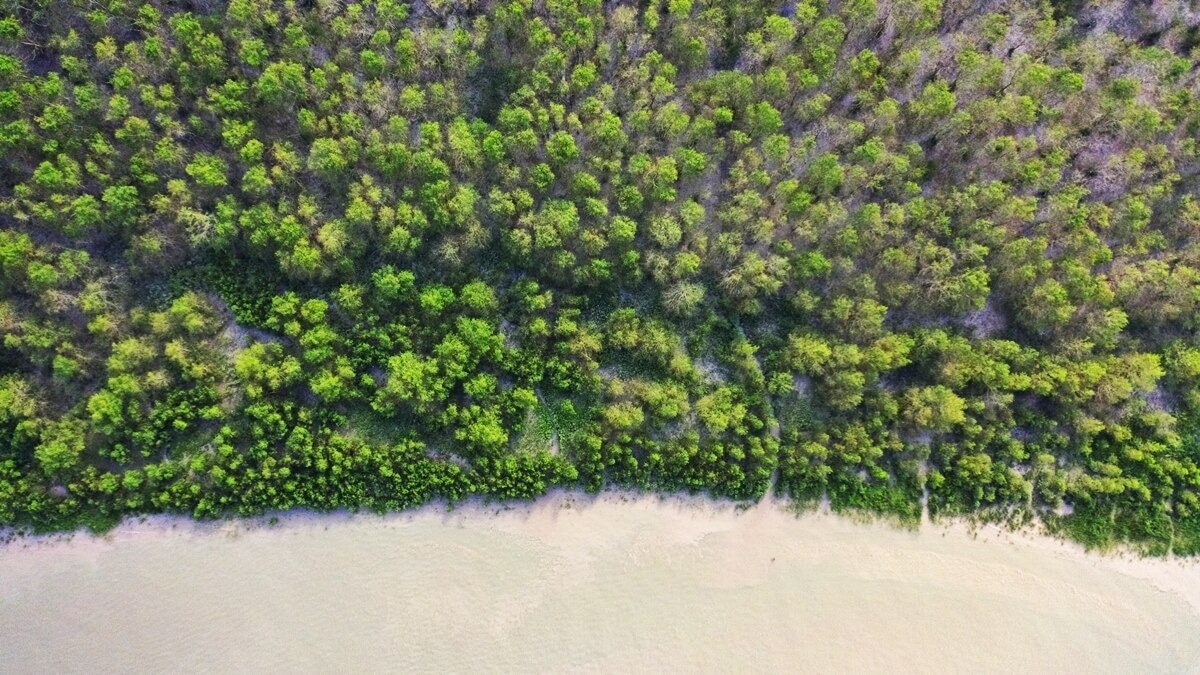
India has added 1.18 lakh hectares of mangroves in the last 40 years, which is the second highest gain globally after Australia.
Mangroves are important because they protect coastlines from storms, store a lot of carbon, and support marine life.
While this growth is generally good news, some of it might be due to environmental problems elsewhere.
New technology helps track and protect these forests better.
Countries like Indonesia and Malaysia are still losing mangroves, so protecting existing ones is still very important.

India has gained 1.18 lakh hectares of mangroves in 40 years, the second highest globally.
Mangroves protect coastlines, store carbon, and support marine life.
Some mangrove growth may be linked to environmental degradation elsewhere.
New technology provides better mapping and monitoring of mangroves.
Countries like Indonesia and Malaysia continue to lose mangroves.
- Who
- India
- What
- Gained 1.18 lakh hectares of mangroves in 40 years
- When
- 1985 to 2025
- Where
- Coastal regions of India
- Why
- Due to restoration projects and natural regrowth
Conservation Success
Environmental Degradation
Mangrove Expansion
Conservation Success
India's mangrove expansion is a result of successful conservation and restoration efforts.
Environmental Degradation
Some mangrove growth may be a by-product of environmental degradation elsewhere.
- Total Mangrove Gain
- 118,000 hectares
- Time Period
- 1985 to 2025
- Global Rank
- Second highest gain globally
- Carbon Storage
- Up to four times more per hectare than terrestrial forests
- Mapping Accuracy
- 93%