

Archive · 23 Dec 2025
Climate Change Threatens Christmas Traditions
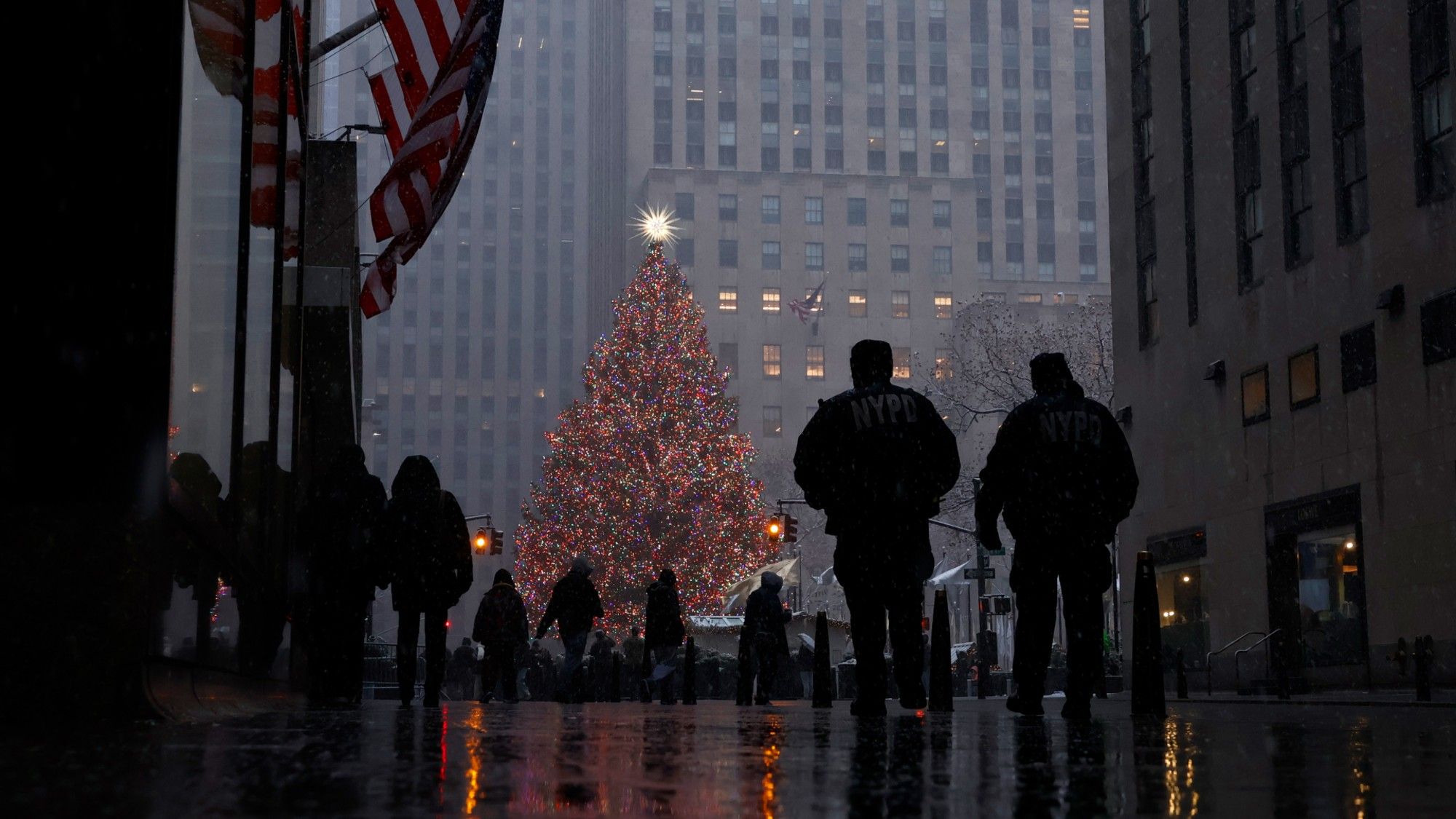
Climate change is making it harder to have a white Christmas.
Over the last 75 years, temperatures have risen, making snow less likely.
This affects not just the weather but also things like Christmas trees and cocoa for treats.
Reindeer, like Rudolph, are also at risk, with their populations expected to drop by half by the end of the century.
Even the trees we use for decorations are getting harder to grow because of changing weather and high land costs.
So, Christmas might look a lot different in the future because of these changes.

Climate change has caused temperatures to rise 3 to 5 degrees in December over the last 75 years, reducing snowfall on Christmas.
Snow cover on Christmas morning has blanketed just 36% of the contiguous U.S. from 2003 to 2024.
Cocoa production is affected by plummeting cacao yields in African countries, impacting holiday treats.
Christmas tree farming is transforming due to shifting weather conditions and high land costs.
Global reindeer populations could decline by 50% by the end of the 21st century, with North America facing over 80% losses.
- Who
- People worldwide, especially in regions with traditional Christmas weather and commodities
- What
- Climate change is affecting Christmas traditions, including snowfall, Christmas trees, and reindeer populations
- When
- Over the last 75 years, with significant impacts projected for the future
- Where
- Globally, with specific impacts in the U.S., Africa, and North America
- Why
- Rising temperatures and changing precipitation patterns due to climate change
- Temperature Increase
- 3 to 5 degrees in December over the last 75 years
- Snow Cover on Christmas
- 36% of the contiguous U.S. from 2003 to 2024
- Cocoa Production Impact
- Plummeting cacao yields in African countries
- Reindeer Population Decline
- 50% global decline by the end of the 21st century
- North American Reindeer Loss
- Projected losses exceeding 80%
