Archive · 4 Oct 2026
India-US Trade Deal Nears Final Stretch, But Is Not Imminent
India and the United States are trying to make a trade agreement.
Their talks are near the end, but US trade official Jamieson Greer says a deal is not about to happen.
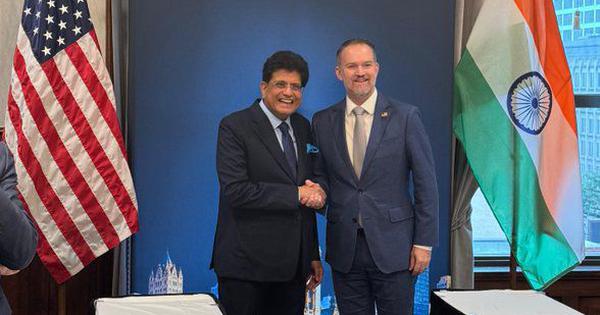
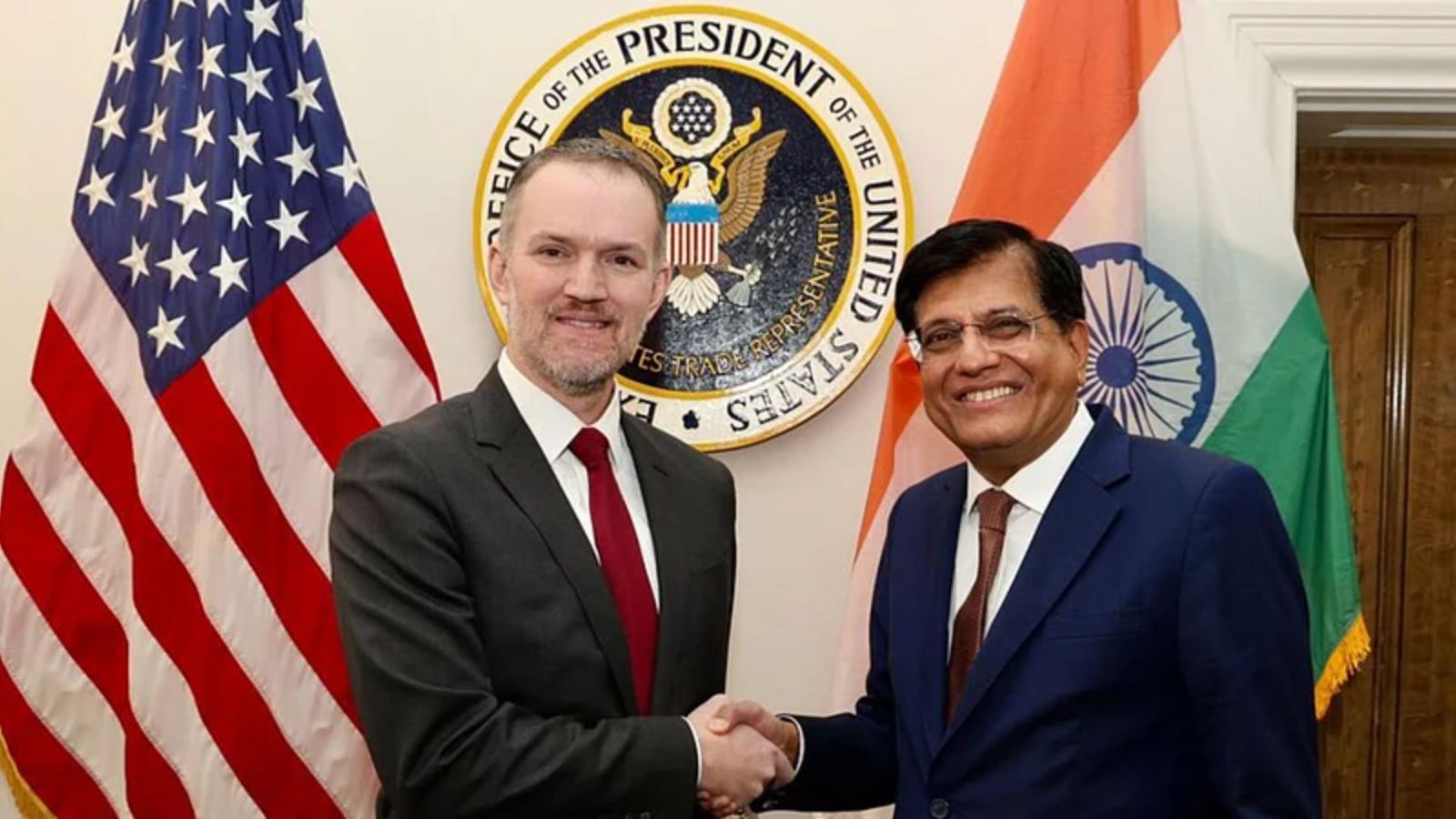
India’s Piyush Goyal and Greer say their recent meeting went well, and their teams are still working together.
The countries have agreed on a framework, but they have not settled all the details.
They still need to work out issues such as tariffs, market access and investment rules.
The United States is also considering or investigating tariffs involving Russian energy purchases, forced-labour inputs and industrial production.
These uncertainties could affect Indian businesses that sell goods to the United States.
India wants better access for its exporters while keeping room to make its own policy choices.
The countries’ leaders may speak again to review progress.

US Trade Representative Jamieson Greer said negotiations are nearing their end, but an agreement is not imminent.
Greer and Indian Commerce Minister Piyush Goyal described their latest discussions as constructive or productive, while teams continued meeting.
The February framework outlined a wider bilateral trade agreement, including India’s intention to buy about $500 billion in US products over five years.
Unresolved issues include tariffs, market access, digital trade, economic-security commitments and investment rules.
Possible US tariffs linked to Russian energy purchases and investigations into forced-labour inputs and industrial capacity add uncertainty for Indian exporters.
- Who
- The governments of India and the United States, represented in trade talks by Piyush Goyal and Jamieson Greer.
- What
- They are negotiating an interim agreement under a broader bilateral trade agreement, but key issues remain unresolved.
- When
- Greer made his comments on Thursday, after meeting Goyal the previous day; Goyal’s US visit was scheduled for September 29 to October 5.
- Where
- The latest ministerial discussions took place in Milwaukee, Wisconsin, around the G20 Trade Ministers’ Meeting.
- Why
- The countries are trying to resolve differences over tariffs, market access, economic-security commitments and other trade and investment rules.
India’s Priorities and Concerns
US Concerns and Negotiating Pressure
Tariff treatment
India’s Priorities and Concerns
India is seeking better tariff treatment and greater market access for its exporters, while facing uncertainty about possible additional US tariffs.
US Concerns and Negotiating Pressure
The US has used or considered tariffs tied to forced-labour inputs, industrial capacity and purchases of Russian energy.
Industrial capacity
India’s Priorities and Concerns
India rejects the claim that its manufacturing sector has structural excess capacity and says it addresses trade-distorting practices through evidence-based measures under WTO rules.
US Concerns and Negotiating Pressure
The US is investigating whether excess industrial capacity and subsidies are harming American companies.
Balance and policy flexibility
India’s Priorities and Concerns
India seeks access for its own exports and wants to preserve flexibility over trade, investment and foreign-policy decisions; observers have questioned whether the proposed purchase commitments are balanced.
US Concerns and Negotiating Pressure
The February framework includes Indian plans to buy US products and calls for stronger economic-security cooperation, including work on supply chains, investment reviews and export controls.
- US trade representative
- Jamieson Greer
- Indian trade minister
- Piyush Goyal, Commerce and Industry Minister
- Negotiation status
- Greer said the talks are in their final stretch, but a deal is not imminent.
- February framework
- India said it intended to purchase about $500 billion in US products over five years.
- Potential Russia-related tariffs
- A US law provides for possible tariffs of up to 100% on imports from countries meeting specified criteria involving Russian crude oil or natural gas purchases.
- Other tariff issues
- The articles cite a 10% Section 301 tariff related to forced-labour inputs and a separate ongoing probe into excess industrial capacity.
- Possible leaders’ call
- Greer said Donald Trump and Narendra Modi might speak again soon to assess progress.