

Archive · 31 Jul 2026
Right to Know the Contactor in Digital Age
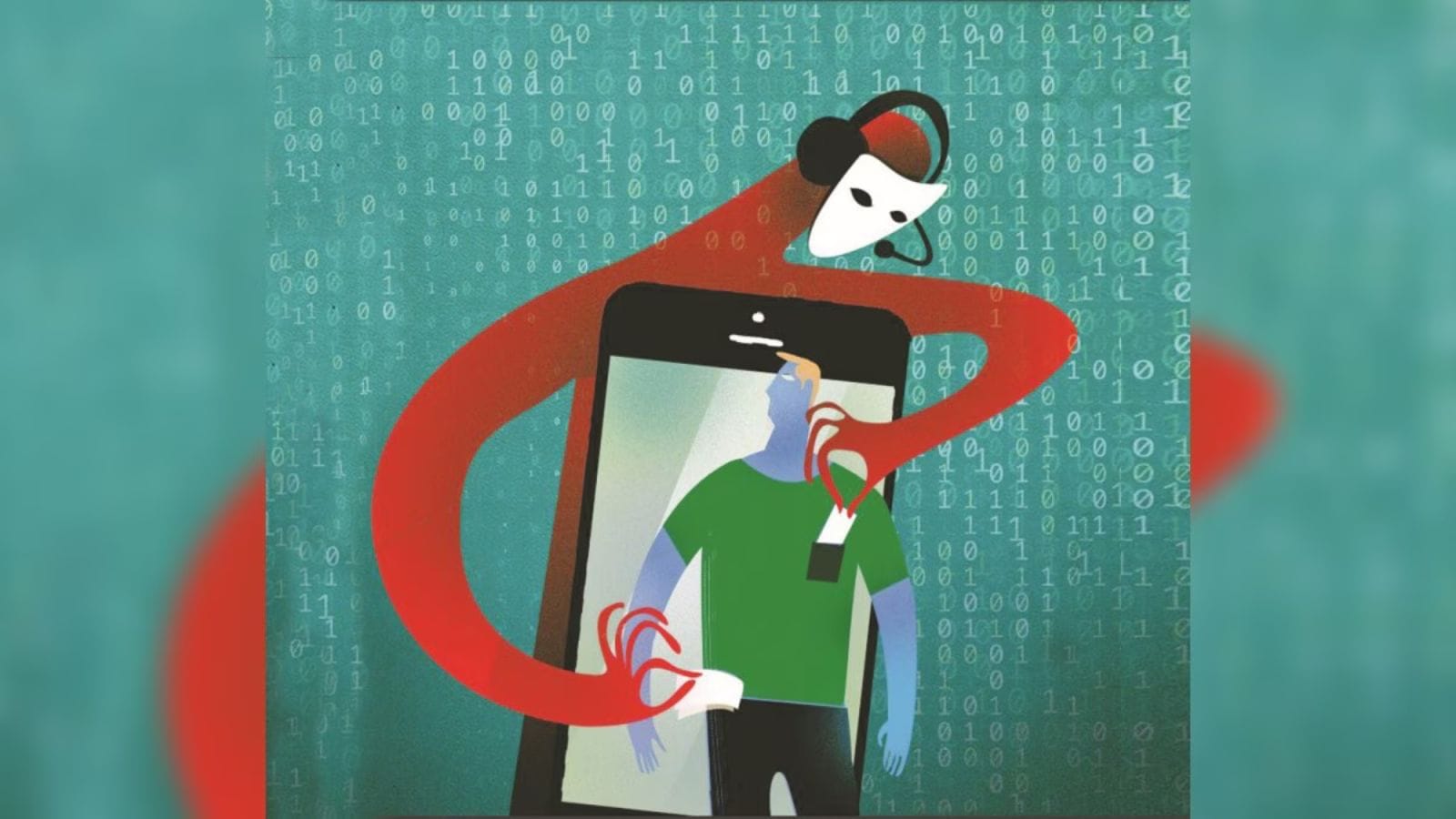
People often get calls, texts, or messages from unknown senders.
This article says everyone should have a right to know who is contacting them.
Knowing the sender’s real identity can stop scams and fraud.
It also helps people trust each other online.
The writer thinks we can use digital identity tools to prove who we are without spying on everyone.
This would make online communication safer and more honest.

Advocates a universal right to know the identity of anyone who initiates contact.
Highlights how anonymity fuels scams, fraud, and erodes trust in digital communication.
Suggests digital identity technologies can verify identities without widespread surveillance.
Argues the right would not eliminate crime but could reduce deception and abuse.
Calls for society to adopt this principle to restore trust in digital interactions.
- Who
- Indians and digital users
- What
- Right to know the contactor
- When
- Currently
- Where
- India
- Why
- To reduce deception, fraud, and restore trust in digital communication
- Proposed Right
- Right to know the identity of any initiator of contact
- Goal
- Reduce deception, fraud, and restore trust
- Technology
- Digital identity authentication without pervasive surveillance
- Scope
- Applicable to all digital communications
- Legal Exception
- Narrowly defined for legitimate purposes