

Archive · 11 Aug 2026
Borewell Surge on Podu Forest Lands Threatens Groundwater and Wildlife
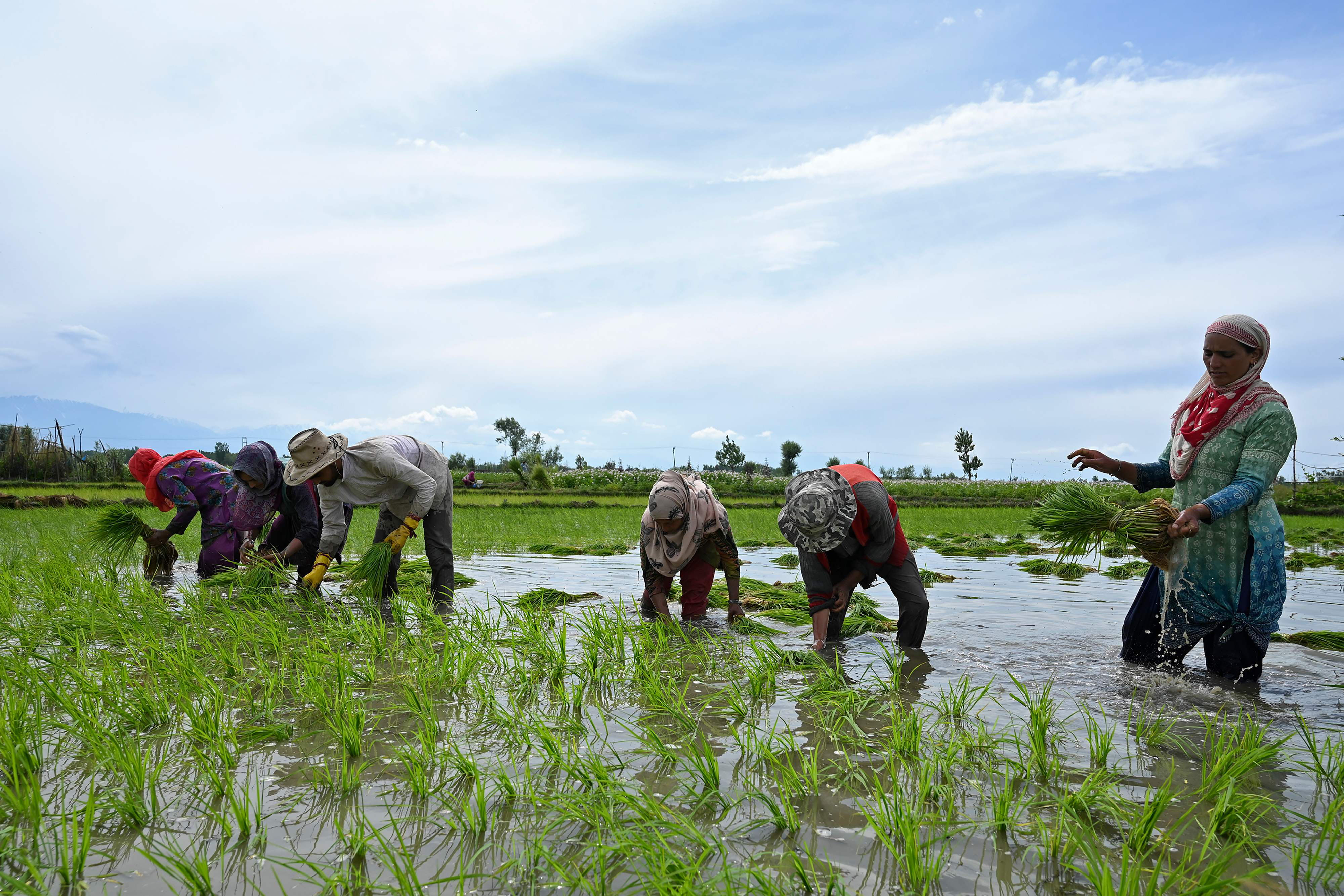
This story is about water and forests in India.
Farmers have been given permission to grow crops on small patches of forest land called podu land.
To water their plants, many farmers are drilling deep wells called borewells to pull water out of the ground.
So many borewells are being drilled that the forest is starting to lose its water.
Small streams and ponds that wild animals drink from are drying up earlier than they used to.
When thirsty animals cannot find water in the forest, they wander into nearby villages and farm fields.
That means wild boar and deer may eat farmers' crops, and more people and animals may come into conflict.
Usually, only shared community wells were allowed, but the rules were changed so farmers could also grow water-hungry oil palm.
Some forest workers disagree with this change and worry about the danger of electric wires that people use to catch and hurt animals.
The challenge is helping farmers grow food while also protecting the forest and the animals that live there.

Forest officials warn that a surge in borewells on podu patta land is depleting groundwater and drying up animal water sources.
The then-BRS government issued podu pattas covering about 4 lakh acres of forest land to around 1.5 lakh applicants.
Unofficial estimates count at least 3,000 borewells in Khammam district and up to 20,000 in Bhadradri Kothagudem district.
Though the ROFR Act bars individual borewells, drilling was permitted after oil palm cultivation was allowed on podu land in 2022, over objections from ground-level staff.
Officials expect more crop raids by wild boar and deer, and warn that electrified wires linked to borewells and poaching threaten wildlife.
- Who
- The then-BRS state government, forest department officials (including ground-level staff who opposed the decision), and podu patta holders who farm forest land.
- What
- A surge of borewells on podu patta forest land is draining groundwater, drying up nalas and animal water holes, and raising the risk of wildlife conflicts and intensive farming.
- When
- Current concern, especially during the El Nino-hit monsoon season; pattas were issued earlier, and borewell drilling became permitted after the 2022 oil palm decision.
- Where
- Forest land in districts such as Khammam and Bhadradri Kothagudem in Telangana, India; report datelined Hyderabad.
- Why
- Groundwater extraction for intensive crops such as oil palm dries up natural water sources, pushing wild animals toward villages and crop fields.
Environmental Protection
Farmer Livelihoods
Borewells on forest land
Environmental Protection
Ground-level forest staff opposed allowing borewells on podu land, warning that groundwater loss harms forests and wildlife.
Farmer Livelihoods
Top forest department officials pushed the decision through to support intensive farming, including water-intensive oil palm, on podu land.
Water and wildlife conflict
Environmental Protection
Drying water holes will push animals into villages, increasing crop raids by wild boar and deer and raising human-animal conflict.
Farmer Livelihoods
Podu patta holders need reliable water and electricity, including three-phase power connections, to farm their land productively.
- Issue
- Surge in borewells on podu patta forest land depleting groundwater
- Podu pattas issued
- About 4 lakh acres of forest land to around 1.5 lakh applicants
- Borewells in Khammam (unofficial)
- At least 3,000
- Borewells in Bhadradri Kothagudem (unofficial)
- Up to 20,000
- Legal status of individual borewells
- Not allowed under ROFR Act; only community borewells permitted
- Oil palm decision
- Water-intensive oil palm cultivation allowed on podu land in 2022
- Expected wildlife impact
- Nalas and natural water holes dry up earlier; more crop raids by wild boar and deer
- Power demand
- Podu patta holders seeking three-phase supply; electrified wires linked to poaching risk