

Archive · 19 Jan 2026
Denmark Municipality Installs Red Streetlights to Protect Bats
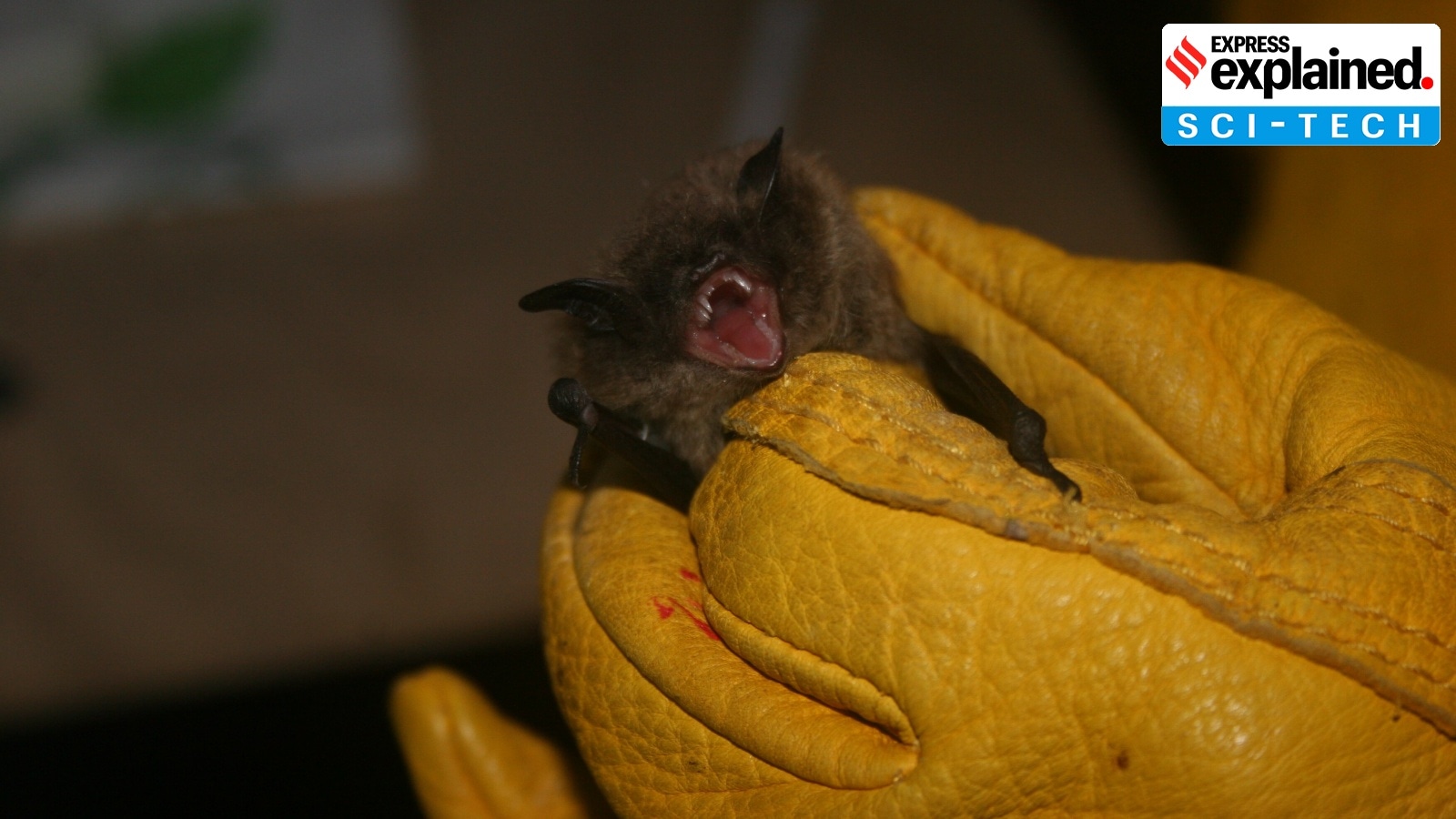
A small area near Copenhagen, Denmark, is changing its streetlights from white to red to help bats.
Some bats don't like bright white lights because they can change how the bats behave and make them more likely to be eaten by predators.
Scientists have found that red lights don't bother bats as much.
This is important because bats help the environment by spreading seeds, pollinating plants, and eating harmful insects.
Other places, like a county in the UK, have also used red lights to protect bats.
Changing the lights helps keep the bats healthy and safe.

Gladsaxe Municipality near Copenhagen is installing red streetlights to protect bat species.
White streetlights were previously used but were found to alter bat behavior and make them vulnerable.
Studies show that bats like the lesser horseshoe bat, long-eared bat, and mouse-eared bat avoid white and green lights.
Red lights do not affect bat behavior, making them a better option for bat habitats.
Bats play crucial roles in ecosystems, including seed dispersal, pollination, and pest control.
- Who
- Gladsaxe Municipality authorities and bat conservation experts
- What
- Installation of red streetlights to protect bat species
- When
- Recently, with a similar initiative in 2019 in the UK
- Where
- Gladsaxe Municipality, near Copenhagen, Denmark
- Why
- To prevent behavioral changes in bats caused by white streetlights, ensuring their well-being and ecosystem roles
- Location
- Gladsaxe Municipality, near Copenhagen, Denmark
- Previous Lighting
- White streetlights
- Current Lighting
- Red streetlights
- Reason for Change
- To protect bat species from behavioral changes caused by white lights
- Previous Example
- Worcestershire County Council in the UK installed red lights in 2019
- Bat Species Affected
- Lesser horseshoe bat, long-eared bat, mouse-eared bat
- Studies Cited
- 2009 study in Current Biology, 2017 study in Proceedings of the Royal Society B
- Bat Benefits
- Seed dispersal, pollination, pest control