1 hr ago
Delhi Half Marathon Builds India’s Expanding Running Economy
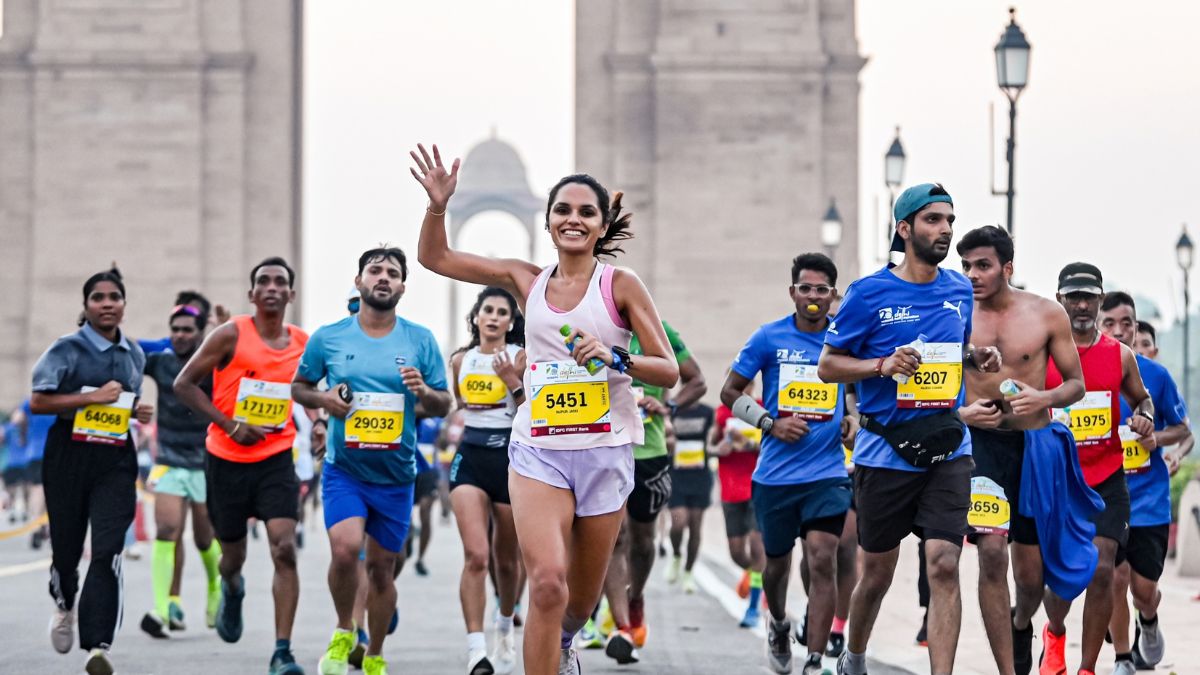
The Delhi Half Marathon is a big running race held in India.
A report estimated that the 2025 race helped generate ₹433.88 crore in economic activity.
People spent money on travel, hotels, running shoes, clothes and equipment.
The race also raised ₹4.12 crore for charity.
Procam, the company behind the event, says runners often prepare for months, so the race connects businesses with participants for more than just one day.
It offers shorter events to help new runners get started.
The next Delhi race is planned for October 18, 2026.
Procam says it hopes to make running easier for more people to try.

A Miranda House, University of Delhi report estimated the 2025 Vedanta Delhi Half Marathon’s socio-economic impact at ₹433.88 crore.
The 2025 race drew 39,513 participants, including 9,709 women, and raised ₹4.12 crore for charitable causes.
Procam co-founder Vivek B. Singh said the event costs more than ₹40 crore to stage and is funded by sponsors, partners, registration fees and other sources.
Spending linked to the 2025 race included ₹24.71 crore on travel and hospitality by out-of-town participants and ₹251.34 crore on running-related goods and technology.
The 21st edition is scheduled for October 18, 2026; Procam says it is seeking to grow participation through entry-level events and its Hundred Days of Running initiative.
- Who
- Procam International and participants in the Vedanta Delhi Half Marathon; Procam co-founder and managing director Vivek B. Singh discussed the event.
- What
- The 2025 race was estimated to have ₹433.88 crore in socio-economic impact, while Procam outlined plans to grow participation and the running ecosystem.
- Where
- Delhi, India.
- When
- The impact figures relate to the 2025 race; the next edition is scheduled for October 18, 2026.
- Why
- Procam aims to expand participation in running and build an ecosystem of events, sponsors, products and services around it.
Procam’s case for growth
Limits and considerations
Running as a business ecosystem
Procam’s case for growth
Singh argues that months of preparation make participative sport a sustained opportunity for sponsors and related businesses, beyond race-day spending.
Limits and considerations
The article gives Procam’s view of the commercial opportunity but does not present a separate opposing stakeholder’s assessment of its scale or benefits.
Making running accessible
Procam’s case for growth
Procam says shorter race categories and Hundred Days of Running can bring in people who may find traditional races intimidating.
Limits and considerations
Singh acknowledges that running can feel intimidating to many people; the article does not include views from participants or other organizations evaluating the initiative.
Key facts
- 2025 estimated socio-economic impact
- ₹433.88 crore, according to a report prepared by Miranda House, University of Delhi.
- 2025 participants
- 39,513, including 9,709 women.
- Travel and hospitality spending
- ₹24.71 crore by participants travelling from outside Delhi.
- Running-related purchases
- ₹251.34 crore spent on technology, gear, equipment, shoes and apparel.
- Charitable fundraising
- The 2025 event raised ₹4.12 crore for charitable causes.
- Event cost
- Singh said staging the event costs more than ₹40 crore.
- 2026 edition
- Scheduled for October 18; it will be the event’s 21st edition.
Quotes
Vivek B. Singh
Procam International co-founder and managing director.
“Running for many has become intimidating. The idea is to bring in more people and democratise.”
 financialexpress.com
“The truth is you have to think of your event as not an event but a movement in society.”
financialexpress.com
Sources
Related news
India’s Sportswear Race Targets Running, Manufacturing, and Athlete-Owned Brands
India’s Running Revolution Puts Health and Wellbeing Ahead of Medals
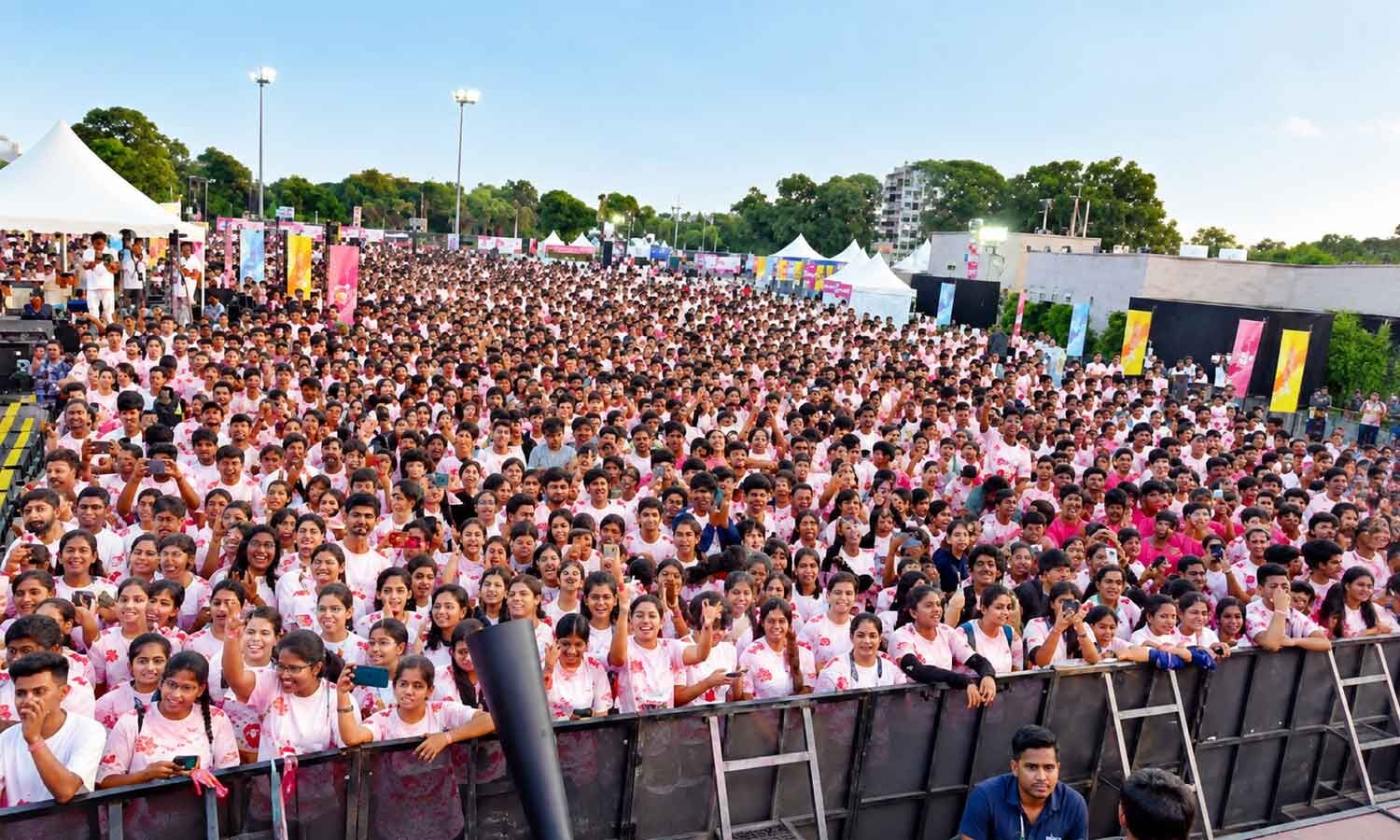
35,000 Gather in Hyderabad for Third Pink Power Run
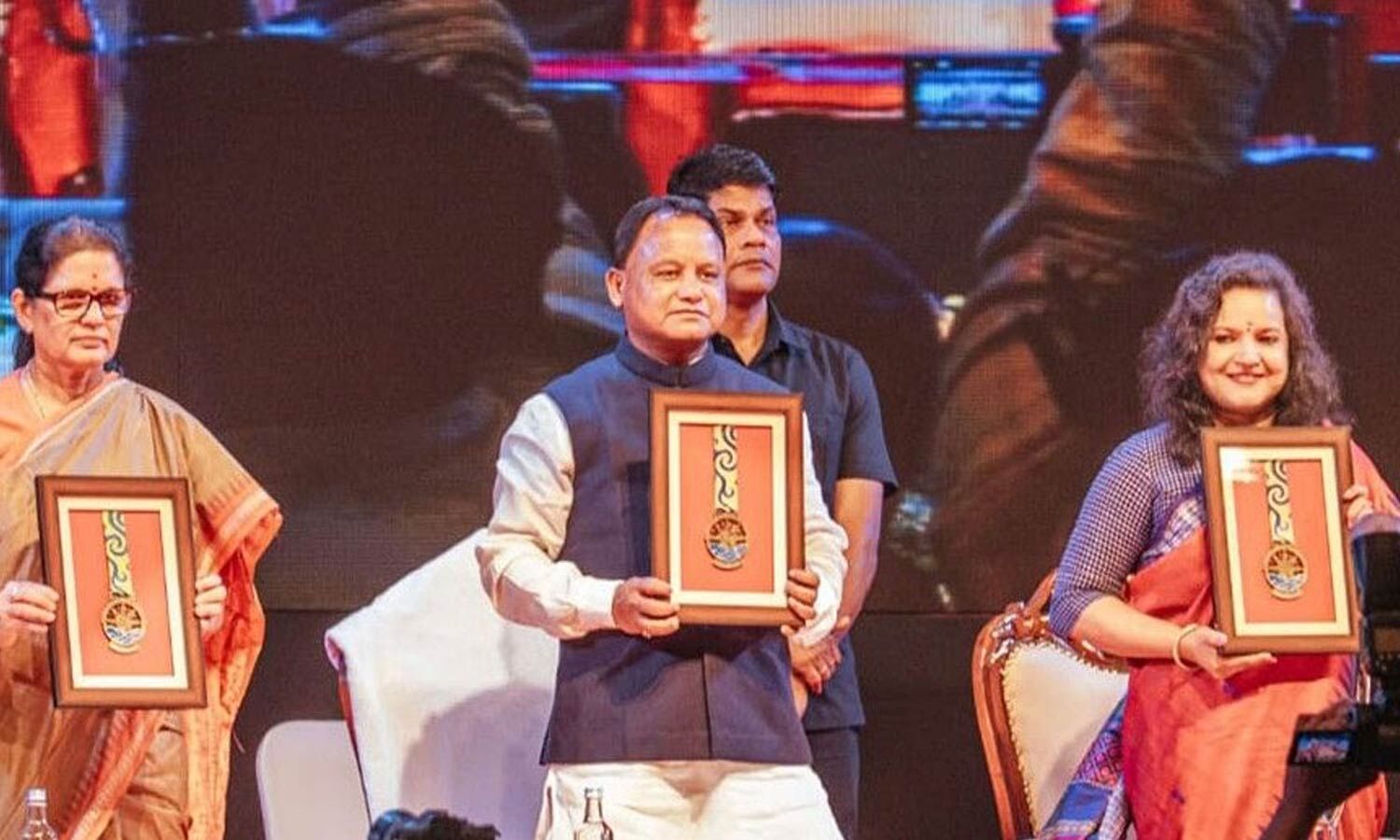
Odisha Backs Puri Coastal Marathon as Sports Tourism Showcase

Guwahati’s First International Marathon Offers ₹1.25 Crore Purse

Hyderabad's Gunners Soldierathon Marks 200 Years Of Artillery
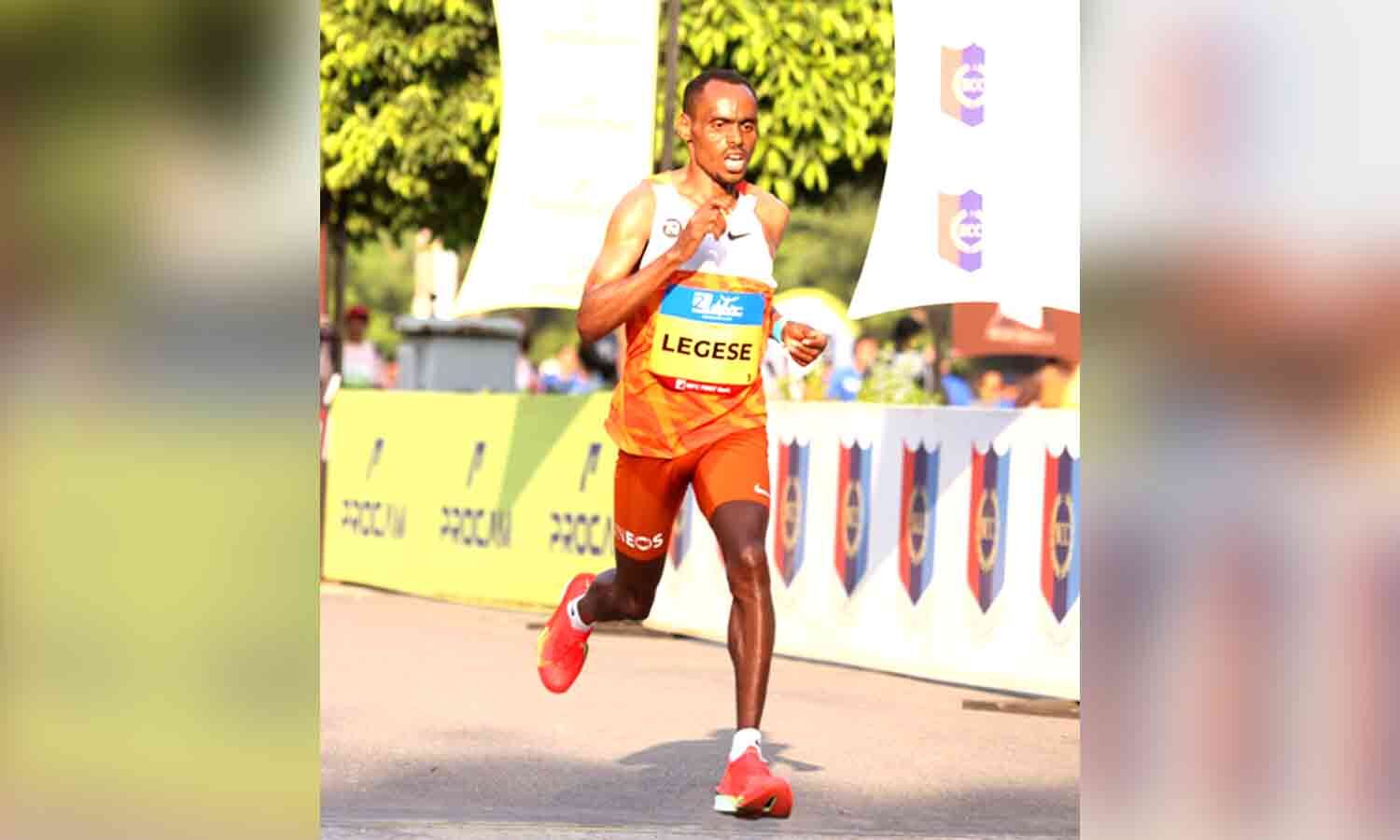
Star Athletes Headline 21st Delhi Half Marathon Field
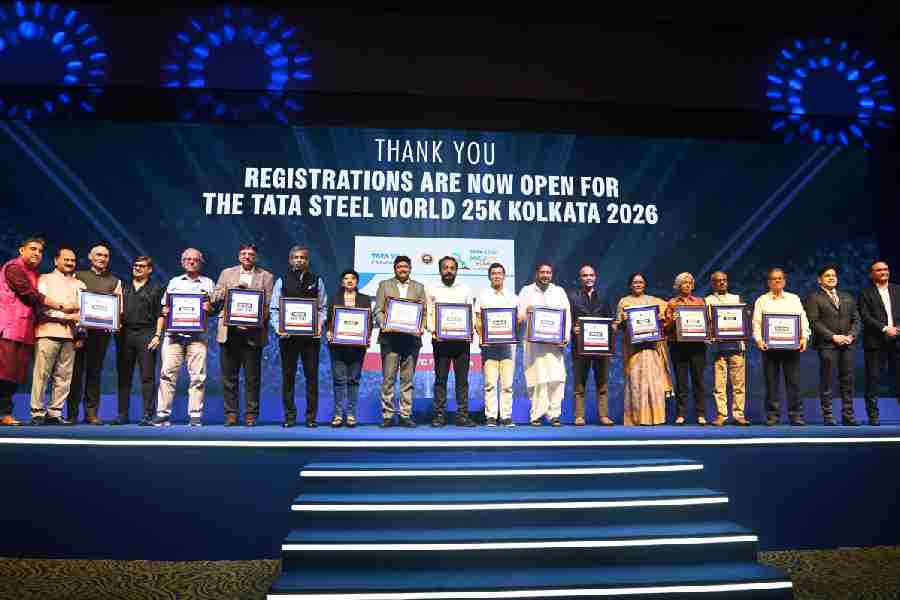
Tata Steel World 25K Kolkata Returns For 11th Edition