

Archive · 8 Nov 2025
STEAM Education Fosters Innovation and Problem-Solving Skills
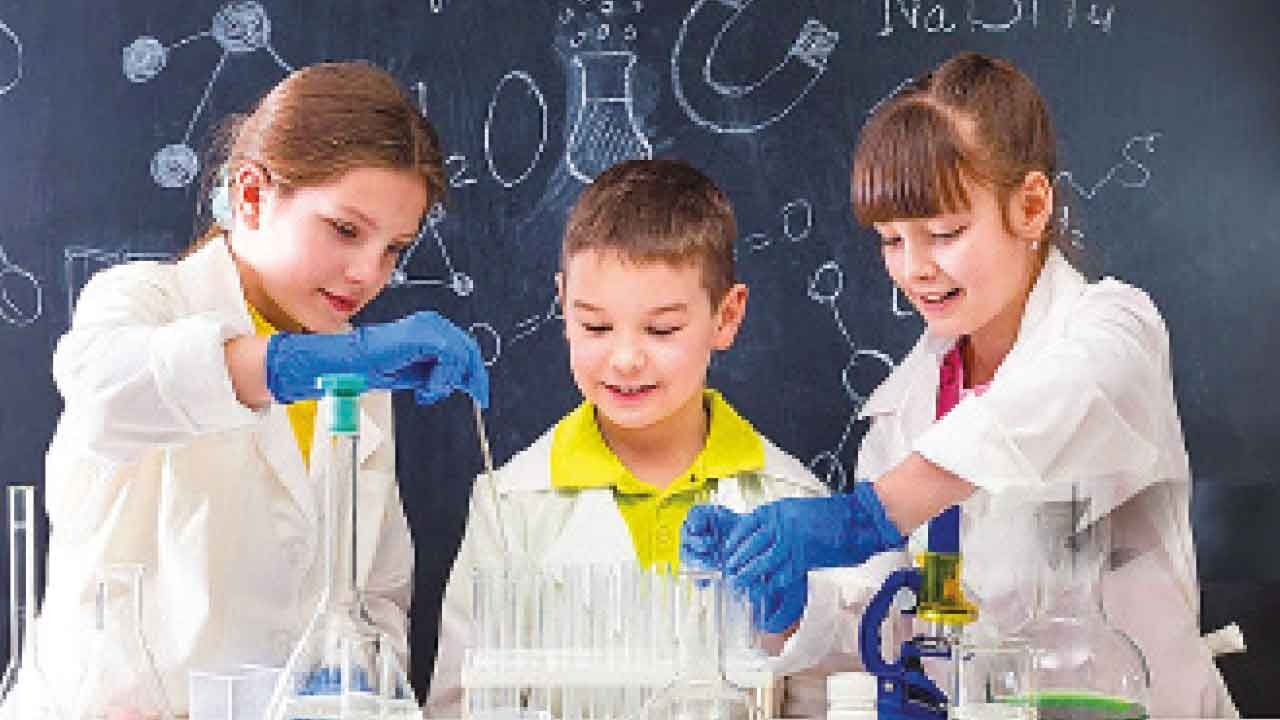
Imagine school is like building with special blocks!
STEAM is a way of learning where you play with blocks for Science (how things work), Technology (cool tools), Engineering (building things), Art (being creative), and Math (numbers and patterns).
Instead of just reading about them, you get to actually build robots, design new things, code games, and make cool art projects that teach you something.
This helps you think of new ideas, solve tricky problems, and learn how to work with others.
Teachers help you by showing how these blocks connect to the real world, like helping the planet or making new medicines.
Art is super important because it helps you think about how people feel when you invent something.
By learning this way, kids become smart thinkers who can create amazing things for the future.

STEAM education integrates Science, Technology, Engineering, Art, and Mathematics to foster innovation and critical thinking.
It emphasizes a hands-on, experimental approach over rote memorization, encouraging students to build, collaborate, and discover.
Teachers play a crucial role in guiding students, connecting lessons to real-world contexts, and nurturing resilience.
Art within STEAM humanizes innovation by teaching empathy, aesthetics, and emotional considerations in design.
STEAM learning equips students with essential skills like collaboration, communication, and problem-solving for future challenges.
- Who
- Students and educators
- What
- STEAM education, which integrates Science, Technology, Engineering, Art, and Mathematics
- When
- From an early age, and continually throughout education
- Where
- In educational settings, through hands-on activities and collaboration
- Why
- To nurture curiosity, creativity, critical thinking, and problem-solving skills essential for future innovators and to address global challenges.
- STEAM Components
- Science, Technology, Engineering, Art, Mathematics
- Educational Approach
- Hands-on, inquiry-based learning, collaboration
- Skills Developed
- Critical thinking, creativity, problem-solving, adaptability, resilience, empathy, collaboration, communication
- Importance
- Prepares students for a rapidly evolving world and future challenges
- Role of Art
- Humanizes innovation, teaches empathy and aesthetics