

Archive · 21 Jan 2026
Nutritionist Explains Key Differences in Dairy Products
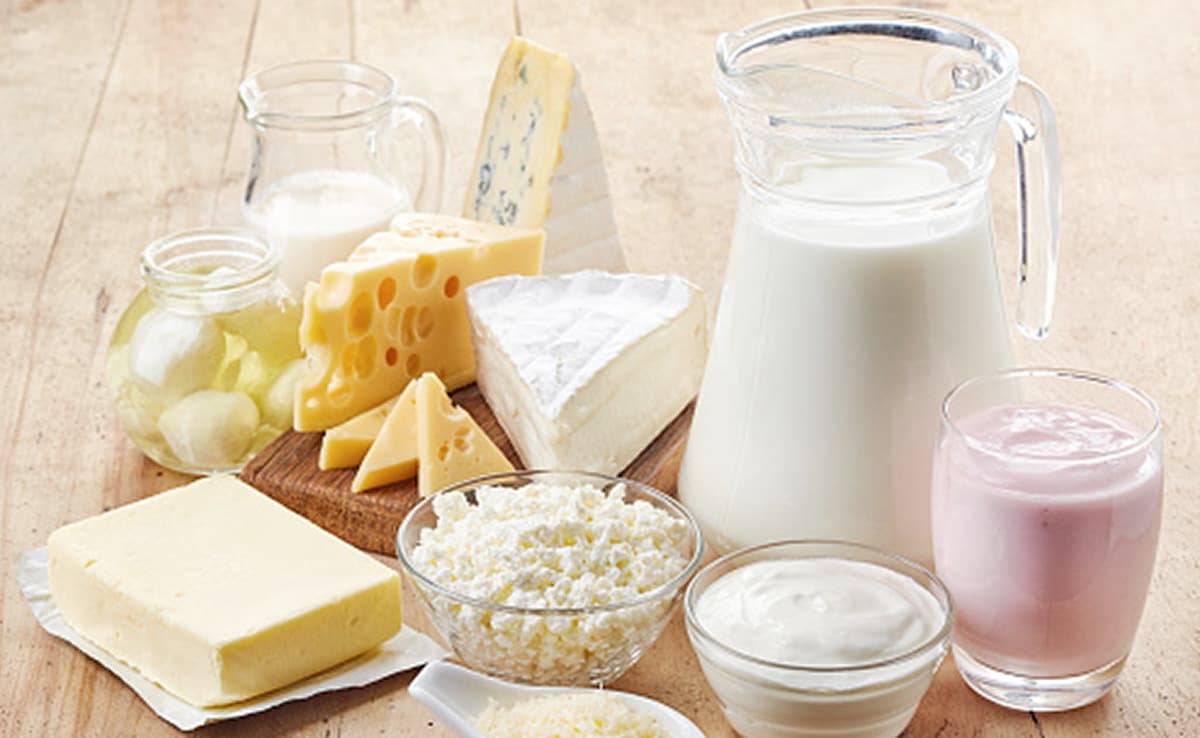
A nutritionist named Suman Agarwal made a video to explain how different dairy products like milk, buttermilk, cheese, paneer, and curd are different.
She talked about how much protein and calcium each one has, how easy they are to digest, and which ones are best for different needs.
For example, buttermilk is easy to digest and good for weight loss, while cheese has a lot of protein and fat but is harder to digest.
Curd is easier to digest and has more absorbable calcium than milk.
She also mentioned that paneer should not be eaten with iron-rich foods because it reduces iron absorption.
The video helps people choose the right dairy products for their health.

Milk is rich in protein and calcium but is difficult to digest.
Buttermilk has lower protein and fat content, making it suitable for weight loss and easy to digest.
Cheese is high in protein and fat but has slow calcium absorption due to sodium content.
Paneer is better to digest than milk but should not be consumed with iron-rich foods.
Curd has the same protein and calcium content as milk but is more digestible and has better calcium absorption.
- Who
- Nutritionist Suman Agarwal
- What
- Explained differences between dairy products
- When
- Not specified
- Where
- Instagram video
- Why
- To guide people on choosing suitable dairy products based on dietary needs
- Milk
- 8g protein, 300mg calcium per 250ml, high calcium absorbability, difficult to digest
- Buttermilk
- 3-3.5g protein, 2-3g fat, 116mg calcium per 100g, best for digestion, low protein and fat
- Cheese
- 25g protein, 34g fat, 739mg calcium per 100g, slow calcium absorption, Parmesan and cheddar easy to digest
- Paneer
- 21g protein, 350mg calcium per 100g, better digestibility than milk, lower than curd, reduces iron absorption
- Curd
- 3.5g protein, 149mg calcium per 100ml, 38% more calcium absorbability than milk, contains lactobacillus, pre-digests lactose