

Archive · 23 Dec 2025
Vitamin C May Protect Lungs from Air Pollution
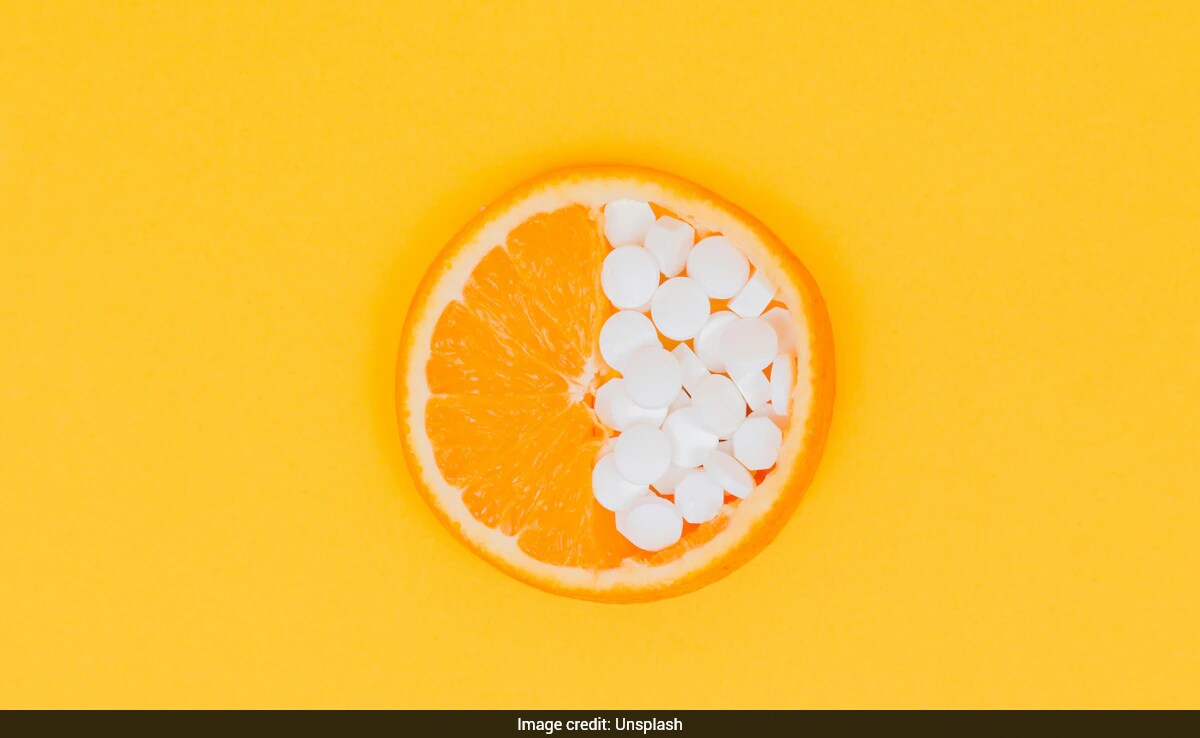
Scientists found that vitamin C, a common vitamin, might help protect our lungs from the bad effects of air pollution.
They did experiments on mice and human tissues and saw that vitamin C can reduce inflammation and damage in the lungs caused by tiny particles in the air.
This could be a cheap way to help people, especially those at high risk, but it's important to talk to a doctor before taking extra vitamin C to make sure it's safe.

Vitamin C may protect lungs from harmful effects of fine particulate matter (PM2.5).
Study conducted by UTS researchers on mice and human tissues showed reduced lung inflammation and mitochondrial loss.
Vitamin C supplementation can enhance antioxidant enzyme activity and improve lung function.
Research suggests taking recommended doses of vitamin C may mitigate adverse effects of low-level PM2.5 exposure.
Consulting a doctor is advised before taking high doses of vitamin C supplements.
- Who
- Researchers from the University of Technology Sydney (UTS)
- What
- Study on vitamin C's protective effects against air pollution
- When
- Published in Environment International
- Where
- Conducted at UTS, Australia
- Why
- To mitigate harmful effects of fine particulate matter (PM2.5) on lungs
- Study Focus
- Effects of vitamin C on PM2.5 exposure
- Researchers
- University of Technology Sydney (UTS) team
- Subjects
- Male mice and lab-grown human tissues
- Findings
- Vitamin C reduces lung inflammation and mitochondrial loss
- Recommendation
- Consult a doctor before high-dose supplementation
- Publication
- Environment International
- Potential Benefit
- Low-cost preventative treatment for air pollution effects