Archive · 10 Jan 2026
Beetroot May Help Lower Fatty Liver Risk
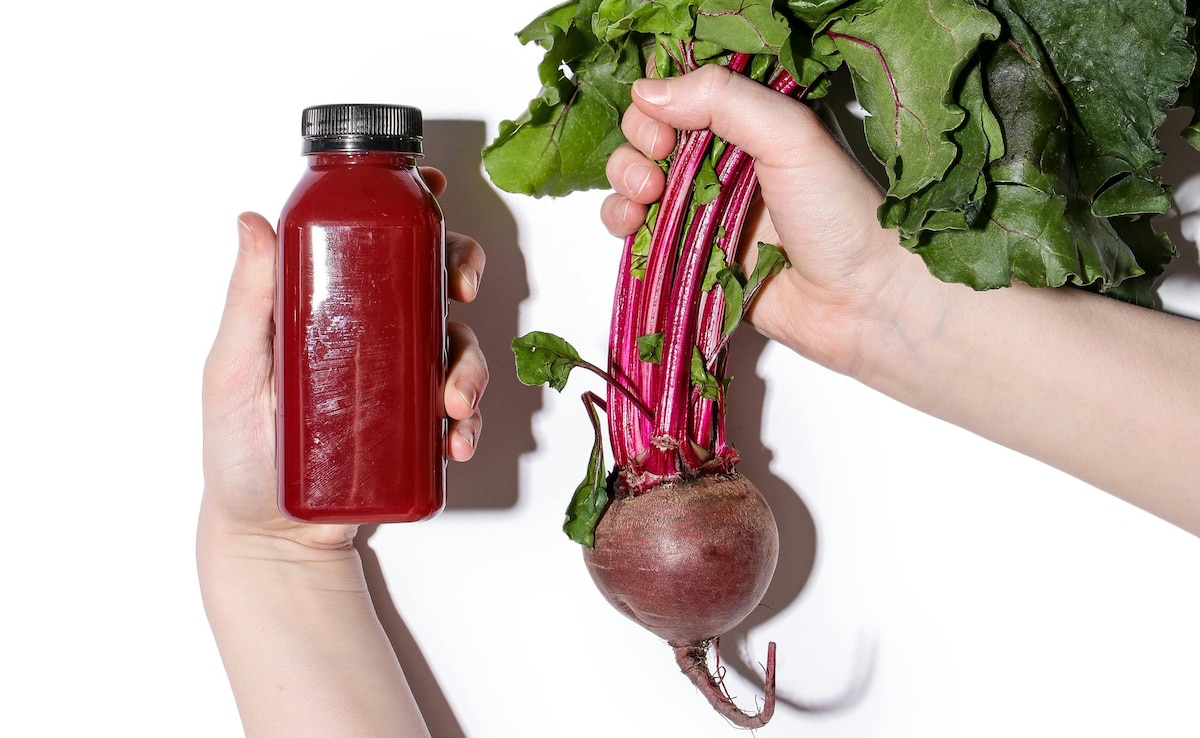
Beetroot, a vegetable often overlooked for its taste, has been found to have potential benefits for people with fatty liver disease.
Fatty liver disease, also known as Non-Alcoholic Fatty Liver Disease (NAFLD) or Metabolic Dysfunction-Associated Steatotic Liver Disease (MASLD), is a growing health concern in India, especially in urban areas.
Studies have shown that beetroot can help the liver break down fats more efficiently, reduce inflammation, and improve blood flow.
However, it is important to note that beetroot is not a cure-all and should be combined with lifestyle changes for the best results.
People with a history of kidney stones or those monitoring their blood sugar should also be cautious with their beetroot intake.

Beetroot contains betaine, betalains, and nitrates that support liver health.
Studies show beetroot supplementation reduces liver enzymes and improves liver size in fatty liver patients.
Beetroot's antioxidants and nitrates help reduce liver inflammation and improve blood flow.
Beetroot should be consumed in moderation, especially by those with kidney stones or blood sugar concerns.
Lifestyle changes, including a reduction in body weight and consistent movement, are crucial alongside beetroot consumption for optimal liver health.
- Who
- Indian adults and children with fatty liver disease
- What
- Beetroot consumption and its potential benefits for fatty liver disease
- When
- Recent studies from 2025 and 2026
- Where
- India, particularly urban centers
- Why
- To understand the impact of beetroot on fatty liver disease and its potential as a dietary intervention
- Beetroot Benefits
- Betaine, Betalains, Nitrates
- Fatty Liver Prevalence
- 38.6% of Indian adults, 35% of children
- Study Duration
- 12 weeks
- Key Findings
- Reduced liver enzymes, improved liver size, reduced symptoms
- Recommended Intake
- 200 ml juice or half a medium beet daily
- Caution
- High in oxalates; monitor intake if prone to kidney stones