

Archive · 28 Jul 2026
Kidneys and Glucose Threshold at 180 mg/dL
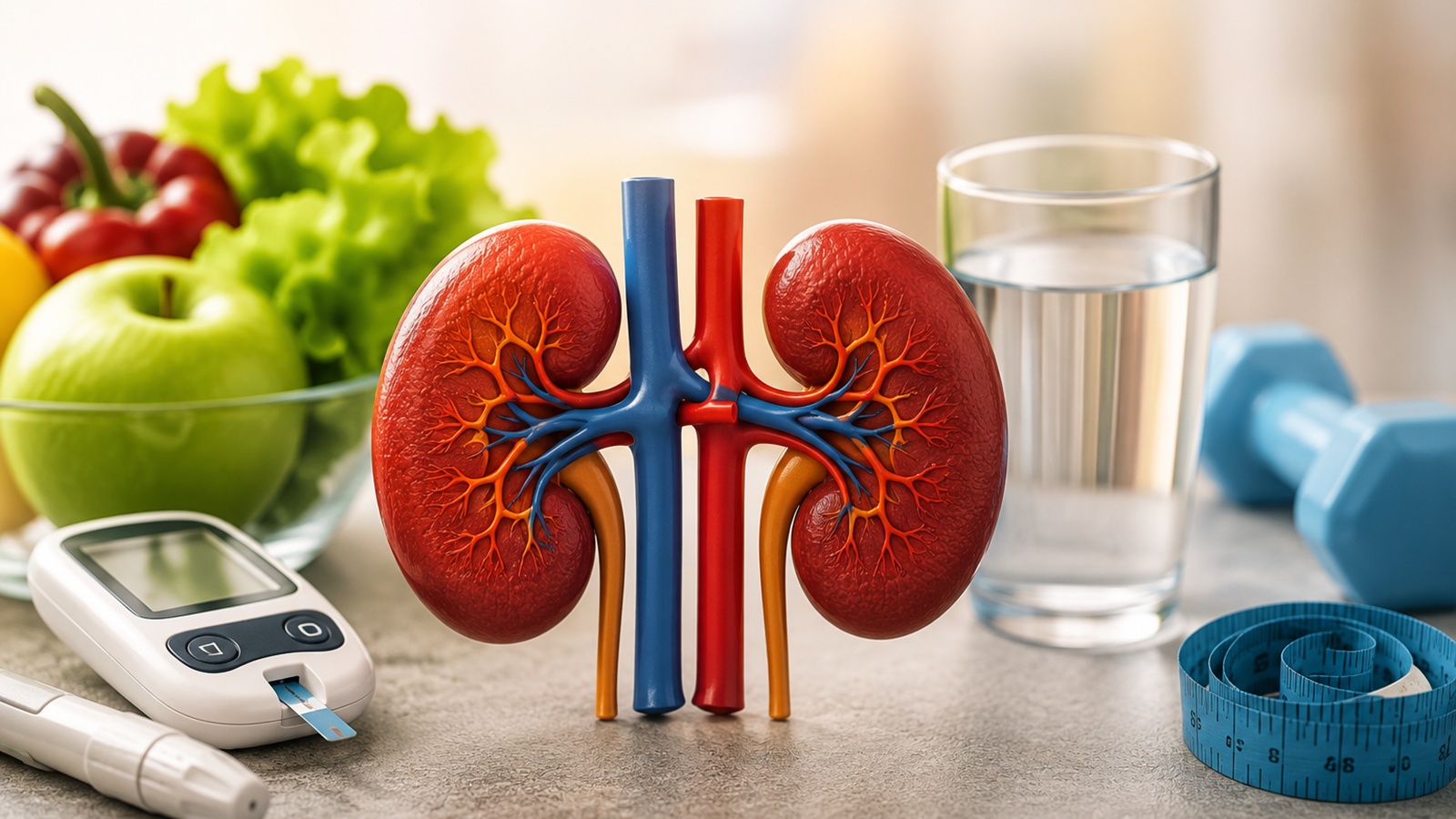
The kidneys filter glucose from the blood and reabsorb it using special transporters.
When blood sugar reaches 180 mg/dL, these transporters can't handle all the glucose, causing excess to spill into the urine.
This leads to more frequent urination, thirst, and dehydration.
Over time, high blood sugar can damage the kidneys, but keeping blood sugar stable can prevent this.

Kidneys filter and reabsorb glucose using special transporters.
At 180 mg/dL, transporters can't handle all the glucose, causing excess to spill into urine.
This leads to frequent urination, thirst, and dehydration.
Long-term high blood sugar can damage kidneys, raising the risk of diabetic kidney disease.
Stable blood sugar levels, diet, exercise, and regular checks can prevent kidney damage.
- Who
- Dr. Sumiran Mahajan, consultant nephrologist
- What
- Explanation of the kidney's glucose threshold and its effects
- When
- Not specified
- Where
- KIMS Hospitals Thane
- Why
- To educate about the impact of high blood sugar on kidney function
Immediate Kidney Damage
Gradual Kidney Stress
Impact of Glucose Threshold
Immediate Kidney Damage
Crossing the 180 mg/dL threshold immediately damages the kidneys.
Gradual Kidney Stress
Crossing the 180 mg/dL threshold puts stress on the kidneys but does not immediately damage them.
- Renal Threshold for Glucose
- 180 mg/dL
- Process
- Osmotic Diuresis
- Symptoms
- Frequent urination, excessive thirst, dehydration
- Long-term Risk
- Diabetic kidney disease
- Prevention
- Stable blood sugar levels, balanced diet, regular exercise, periodic kidney health checks