

Archive · 28 Nov 2025
Supreme Court Warns on Reversing Verdicts
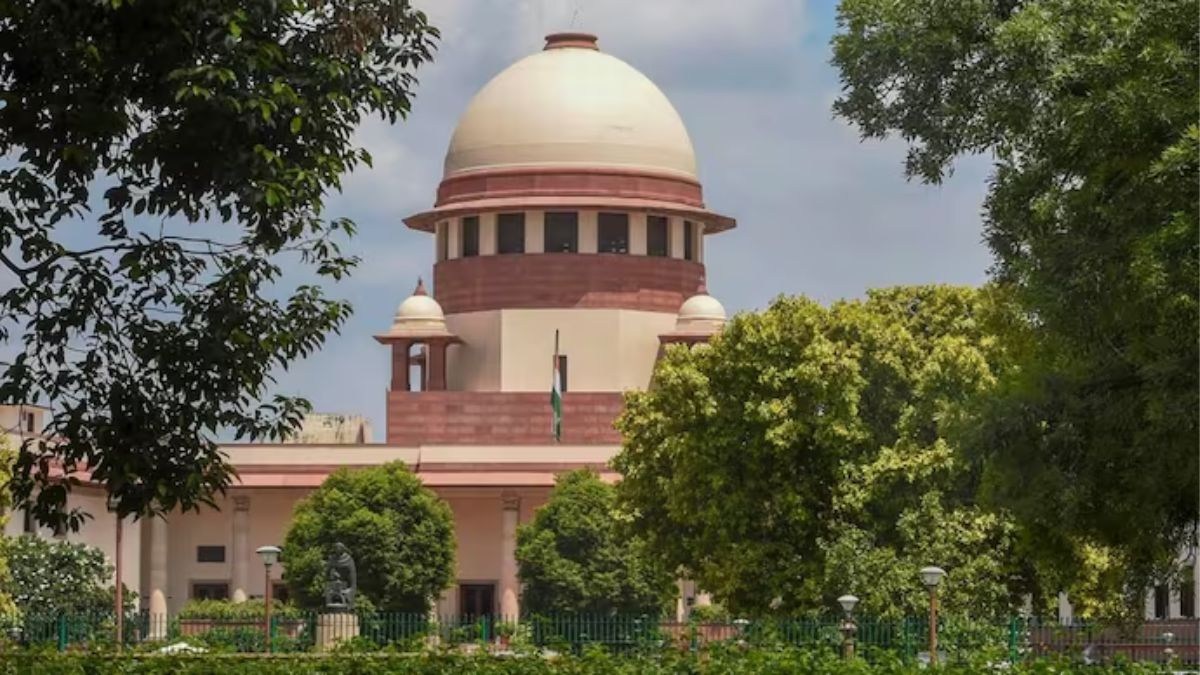
The Supreme Court talked about how sometimes its decisions are changed or overturned quickly.
They said this can make people lose trust in the court because they expect decisions to be final.
The court also looked at a case where two brothers, the Sandesaras, were accused of cheating banks.
The court said they could pay back a lot of money and then not face any more legal trouble.
Some people worry that this sets a bad example because it might make people think that if they have enough money, they can avoid going to jail for crimes.
The court said this was a special case and shouldn't be a rule for everyone, but some people are still concerned.

The Supreme Court discussed the trend of reversing its own verdicts, warning it could erode institutional authority.
The court acknowledged the dangers of frequent reversals that dilute the finality and certainty of judgments.
In a recent case, the Sandesara brothers were allowed to settle their dues of Rs 5,100 crore to avoid further prosecution.
The court clarified that this settlement was specific to the Sandesara case and should not be treated as a precedent.
Critics argue that allowing financial settlements for criminal cases could make the legal system seem negotiable and undermine deterrence.
- Who
- Supreme Court of India
- What
- Discussed the trend of reversing verdicts and the Sandesara brothers' case
- When
- Wednesday (specific date not mentioned)
- Where
- India
- Why
- To maintain the finality and certainty of judgments and address concerns about the Sandesara brothers' settlement
- Issue Discussed
- Reversing Supreme Court verdicts
- Concern Raised
- Erosion of institutional authority
- Case Mentioned
- Sandesara brothers' financial fraud case
- Settlement Amount
- Rs 5,100 crore
- Court's Stance
- Settlement accepted, no precedent set
- Potential Consequence
- Criminal law becoming negotiable
- Examples Cited
- Vijay Mallya, Nirav Modi, Mehul Choksi
- Court's Introspection
- Acknowledged dangers of frequent reversals