Archive · 22 Sep 2026
Tata Sons Reappointment Vote Triggers Article 121 Legal Dispute
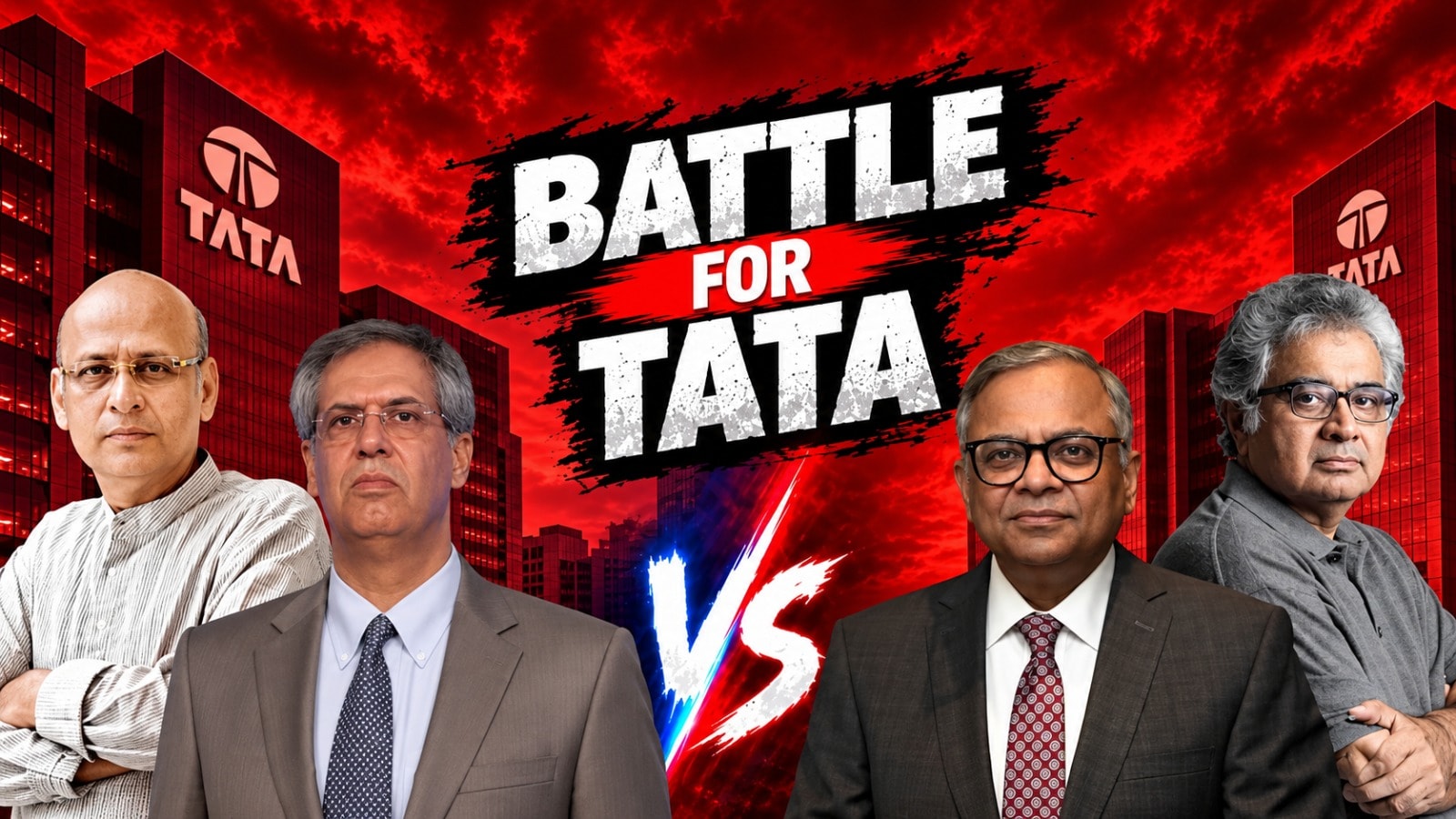
The Tata Sons board voted on whether N Chandrasekaran should remain executive chairman.
Most directors supported keeping him in the job.
The two directors chosen by Tata Trusts did not agree with each other.
Venu Srinivasan voted yes, while Noel Tata voted no.
Tata Trusts says the company’s rules require enough support from its own nominated directors too.
Tata Sons says the larger board majority and one supportive Trust nominee were enough.
The disagreement also involves whether a chairman’s casting vote could affect the result.
A 2021 Supreme Court case confirmed that Tata Trusts nominees have special voting rights.
That earlier case did not explain how to handle a 1-1 split between two such nominees.

The Tata Sons board approved N Chandrasekaran’s reappointment as executive chairman by a reported 4-1 vote.
Tata Trusts nominees Venu Srinivasan and Noel Tata voted differently, producing a 1-1 split.
Tata Trusts argues Article 121 required affirmative support from a majority of its nominees, meaning both nominees had to support the resolution.
Tata Sons maintains that the overall board majority, alongside one supportive Trust nominee, was sufficient; reports also differ over the role of a chairman’s casting vote.
The Supreme Court’s 2021 Cyrus Mistry judgment upheld the Trusts’ affirmative voting rights but did not decide what happens when two nominees disagree.
- Who
- Tata Sons, N Chandrasekaran, Tata Trusts nominees Venu Srinivasan and Noel Tata, Tata Trusts, and legal representatives including Abhishek Manu Singhvi and Harish Salve.
- What
- A legal dispute over whether Chandrasekaran’s reappointment was valid after the board recorded a majority vote but the two Tata Trusts nominees split their votes.
- When
- The disputed reappointment decision was made on September 17; the relevant Supreme Court ruling was issued in March 2021.
- Where
- The dispute concerns the Tata Sons board and may ultimately be considered by Indian courts.
- Why
- The parties disagree over whether Article 121 requires a separate majority among Tata Trusts’ nominees and whether a general board majority or casting vote can overcome their disagreement.
Tata Trusts’ Interpretation
Tata Sons’ Interpretation
Article 121 requirement
Tata Trusts’ Interpretation
Article 121 creates two separate tests: a majority of the full board and affirmative support from a majority of Trust-nominated directors. Because the nominees split 1-1, the second test was not met.
Tata Sons’ Interpretation
The 4-1 board result showed clear approval, and one supportive Trust nominee together with that majority was sufficient to approve the reappointment.
Effect of the 2021 judgment
Tata Trusts’ Interpretation
Tata Trusts relies on the Supreme Court’s recognition of the Trust nominees’ affirmative rights and argues that Tata Sons cannot defend those rights in court while minimizing them in this dispute.
Tata Sons’ Interpretation
The 2021 judgment upheld rights already contained in the Articles but did not resolve how those rights operate when two Trust nominees vote differently.
Casting vote and governance
Tata Trusts’ Interpretation
A chairman’s casting vote can address an equality at the overall board level but cannot replace the separate affirmative support required from Trust nominees.
Tata Sons’ Interpretation
Allowing either nominee to block a proposal supported by the rest of the board could impede effective management of a large corporate institution; the precise Articles determine whether a casting vote applies.
- Board result
- The resolution was reported as passing 4-1 among five participating directors.
- Trust nominee votes
- Venu Srinivasan supported Chandrasekaran’s reappointment, while Noel Tata opposed it.
- Tata Trusts ownership
- Tata Trusts collectively holds about 66% of Tata Sons.
- Relevant rule
- Article 121 requires certain board-approved matters to also receive affirmative support from a majority of Tata Trusts-nominated directors.
- Tata Trusts’ interpretation
- With two Trust nominees, the Trusts says a majority means both nominees; a 1-1 split therefore fails the requirement.
- Tata Sons’ interpretation
- Tata Sons says the broad board majority, combined with support from one Trust nominee, was sufficient.
- 2021 Supreme Court ruling
- The Court upheld the validity of the Trusts’ affirmative voting rights but did not address a split vote between two nominees.