Archive · 9 Jan 2026
Modi, Shah highlight Somnath's resilience, link to India's rise
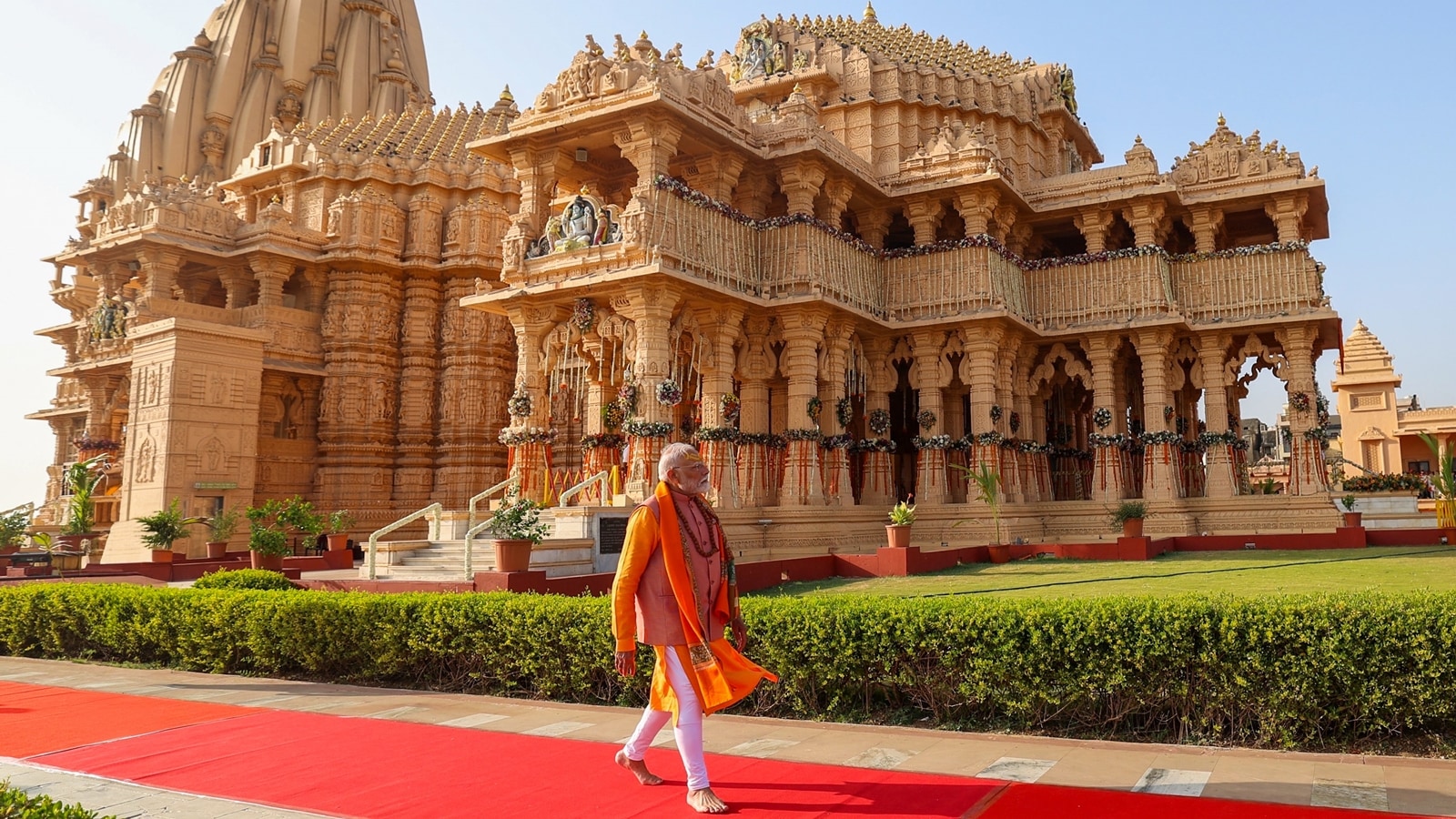
Prime Minister Narendra Modi and Union Home Minister Amit Shah recently talked about the Somnath Temple in Gujarat, which was attacked over 1,000 years ago.
They said the temple's story is about bravery and resilience, not just destruction.
Modi and Shah linked this history to India's current success and global attention.
The temple's reconsecration in 1951 was a big event, but different political leaders had different views on it.
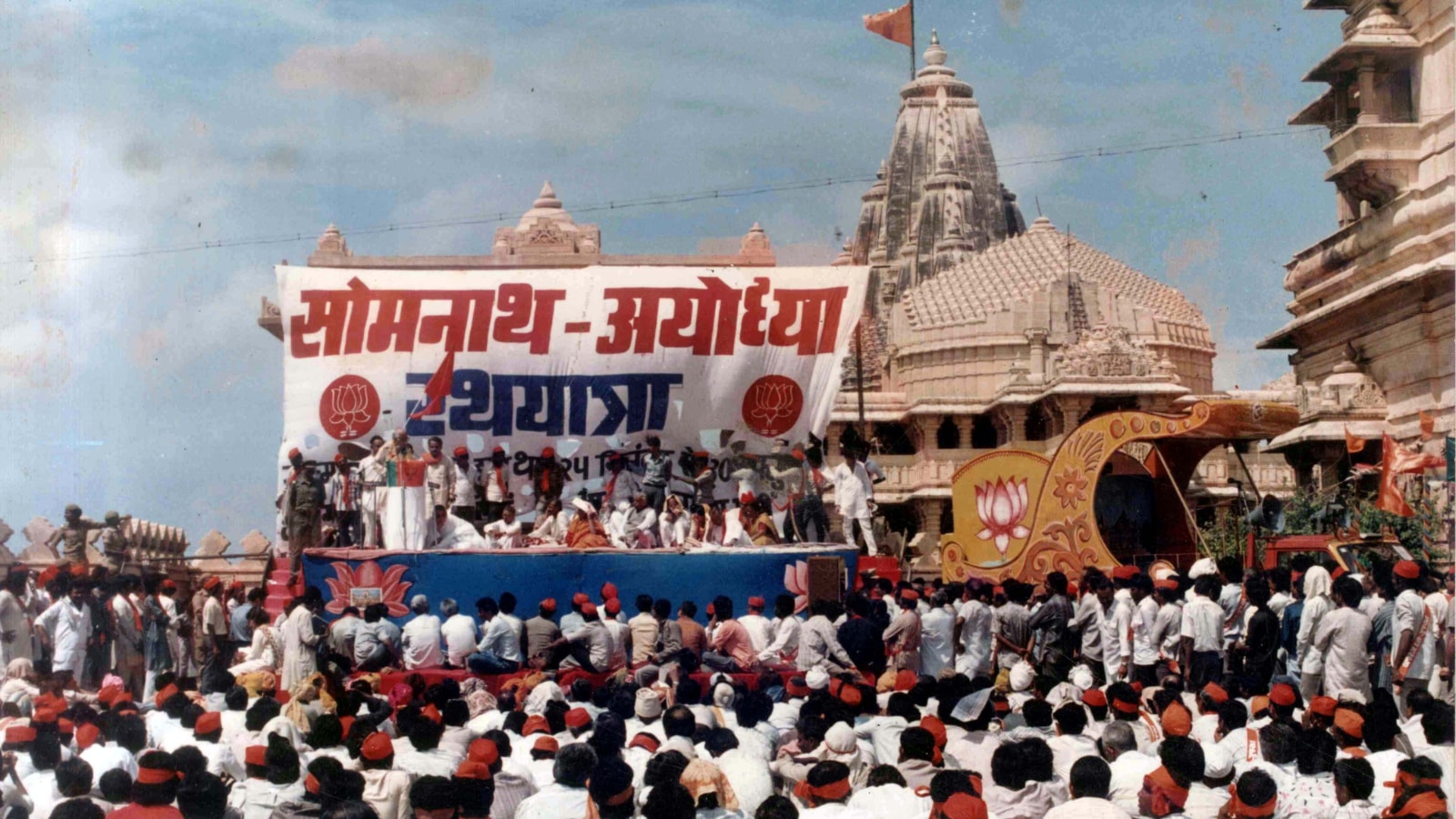
The Somnath Temple is important to the BJP and Hindutva groups as a symbol of resistance against past invasions.
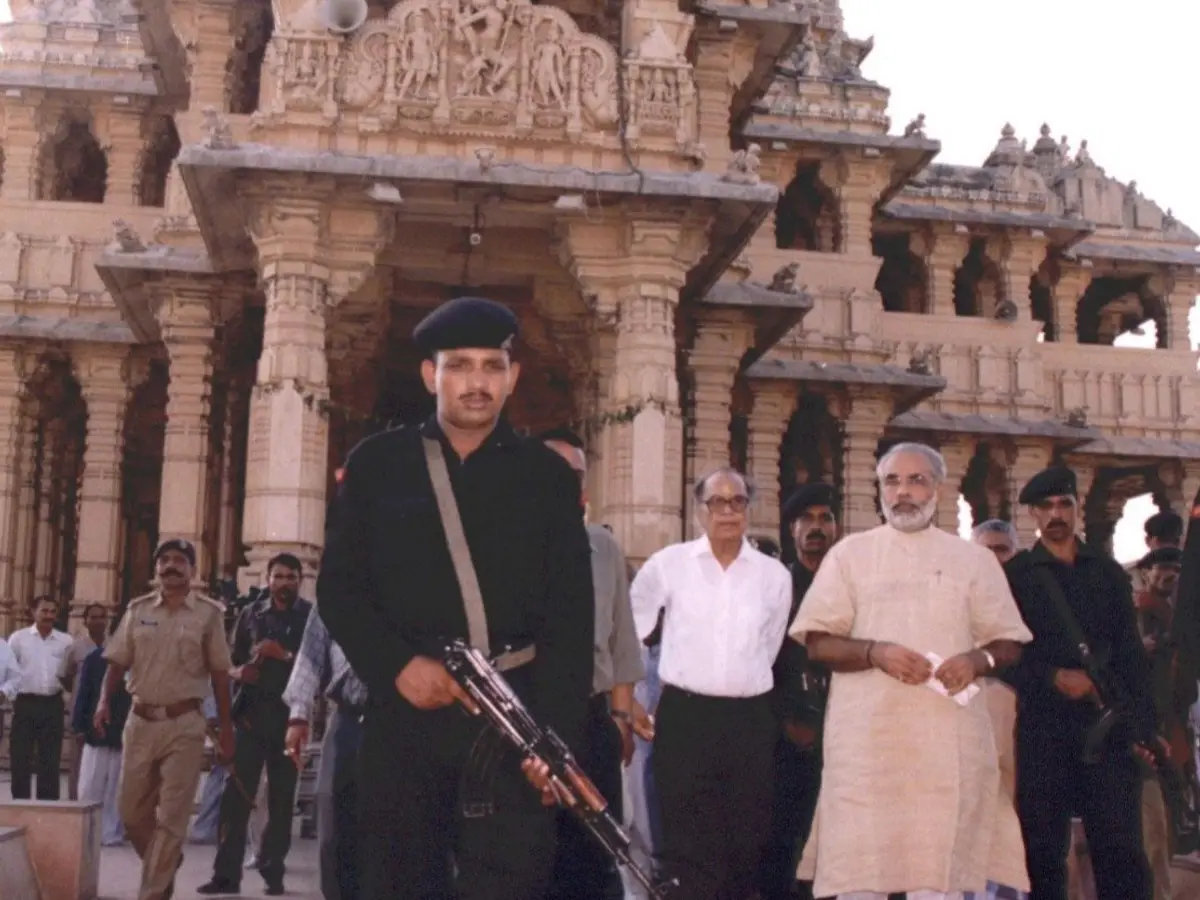
Other leaders like L K Advani and Atal Bihari Vajpayee have also talked about the temple's significance.
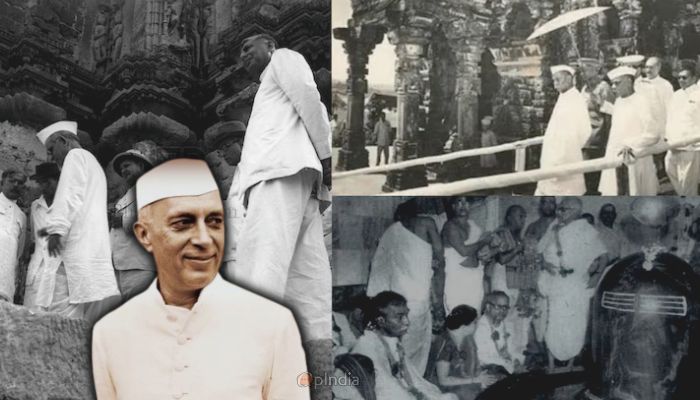
However, former Prime Minister Jawaharlal Nehru opposed the government's involvement in the temple's reconstruction and consecration, fearing it would undermine India's secular image.

Prime Minister Narendra Modi and Union Home Minister Amit Shah highlighted the Somnath Temple's resilience and its significance in India's history, marking 1,000 years since its first attack by Mahmud of Ghazni in 1026 AD.
Modi and Shah linked the temple's story to India's current rise and global attention, emphasizing the country's civilizational ethos and determination.
The Somnath Temple's reconsecration in 1951 was a significant event, with Sardar Vallabhbhai Patel playing a key role, and Rajendra Prasad presiding over the ceremony despite Jawaharlal Nehru's reservations.
The temple holds ideological significance for the BJP and Hindutva groups, symbolizing resistance against Islamic invasions and national pride.
Former PM Atal Bihari Vajpayee also referenced the temple's importance in a speech, recalling his desire to visit Ghazni, the capital of Mahmud's empire, to see the place associated with the plunderer.
- Who
- Prime Minister Narendra Modi, Union Home Minister Amit Shah, historical figures like Mahmud of Ghazni, L K Advani, Atal Bihari Vajpayee, Sardar Vallabhbhai Patel, Rajendra Prasad, Jawaharlal Nehru
- What
- Commemoration of the 1,000th anniversary of the first attack on the Somnath Temple and its reconsecration
- When
- January 8-11, as part of the 'Somnath Swabhiman Parv' commemoration, with historical events dating back to 1026 AD and 1951
- Where
- Somnath Temple in Gujarat, India
- Why
- To highlight the resilience and cultural significance of the Somnath Temple, linking it to India's civilizational ethos and current rise, and to articulate Hindutva themes of resistance and national pride
BJP/Hindutva Perspective
Congress/Secular Perspective
Government Involvement in Temple Affairs
BJP/Hindutva Perspective
The BJP and Hindutva groups view the Somnath Temple's reconstruction and consecration as a matter of national pride and cultural revival, emphasizing the temple's historical significance and resilience.
Congress/Secular Perspective
The Congress party, particularly under Nehru, opposed government involvement in the Somnath Temple's reconstruction and consecration, fearing it would undermine the secular character of the state and provoke international criticism.
Symbolism of the Somnath Temple
BJP/Hindutva Perspective
For the BJP and Hindutva groups, the Somnath Temple symbolizes resistance against Islamic invasions and the enduring spirit of Hindu civilization.
Congress/Secular Perspective
Nehru and the Congress party saw the temple's reconstruction and consecration as a form of 'Hindu revivalism' that could have negative consequences for the nation's secular image.
- Event
- Somnath Swabhiman Parv
- Date
- January 8-11
- Significance
- 1,000 years since the first attack on the Somnath Temple by Mahmud of Ghazni in 1026 AD
- Key Figures
- Narendra Modi, Amit Shah, L K Advani, Atal Bihari Vajpayee, Sardar Vallabhbhai Patel, Rajendra Prasad, Jawaharlal Nehru
- Historical Context
- Somnath Temple's reconsecration in 1951
- Ideological Significance
- Symbol of Hindutva and resistance against Islamic invasions
- Cultural Impact
- Representation of India's civilizational spirit and resilience
- Nehru's Opposition
- Nehru opposed government involvement and funding for the Somnath Temple's reconstruction and consecration, fearing it would undermine India's secular image.
Sources
Modi to Atal, Advani, why Somnath memory endures for BJP, Sangh Parivar
Read how ‘secular’ Nehru wrote letters opposing reconstruction and consecration ceremony of Somnath Temple

Somnath Mahadev Temple symbol of India’s civilisational immortality: Amit Shah
In Somnath, a new tryst with the civilisational past