

Archive · 6 Aug 2025
Vetiver Grass: Can it Prevent Landslides in Hilly Regions?
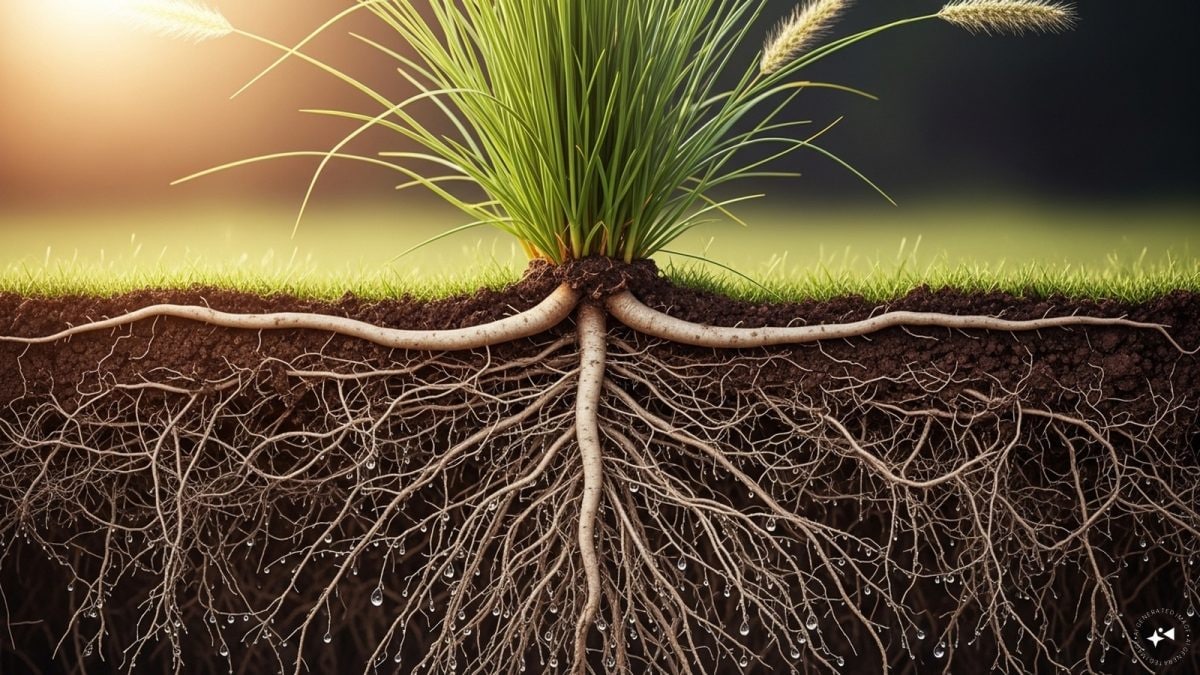
Imagine heavy rain on a hill.
Sometimes, the soil washes away, causing landslides.
Vetiver grass is like a strong plant that helps stop this.
It has roots that grow deep and hold the soil together.
When planted in rows, it slows down the water and catches the dirt.
This grass is easy to take care of and can grow in tough places.
Scientists have seen it works in some areas.
This keeps the soil in place and helps prevent dangerous landslides.

Vetiver grass, native to India, is used in landslide mitigation.
It has a deep root system that helps stabilize soil and control erosion.
Pilot projects in Himachal Pradesh showed a 60% reduction in soil erosion.
Vetiver acts as a natural barrier, slowing water flow and trapping sediment.
It is cost-effective, low-maintenance, and can tolerate various conditions.
- Who
- Environmental experts and organizations are using Vetiver grass.
- What
- Vetiver grass is used to prevent landslides and soil erosion.
- When
- Ongoing.
- Where
- Hilly and mountainous regions, including the Himalayas.
- Why
- To stabilize soil, control erosion, and mitigate the risk of landslides.
Benefits of Vetiver Grass
N/A
Cost and Environmental Impact
Benefits of Vetiver Grass
Vetiver grass is a cost-effective and eco-friendly solution for landslide prevention.
N/A
No opposing views present in the article.
- Plant Name
- Vetiver (Chrysopogon zizanioides)
- Native Region
- India
- Root Depth
- Up to 3-4 meters
- Use
- Soil stabilization and erosion control
- Benefit
- Reduces the risk of slope failure and landslides
- Maintenance
- Low maintenance