

Archive · 27 Jul 2025
Exploring Madagascar's Unique Wilderness and Wildlife
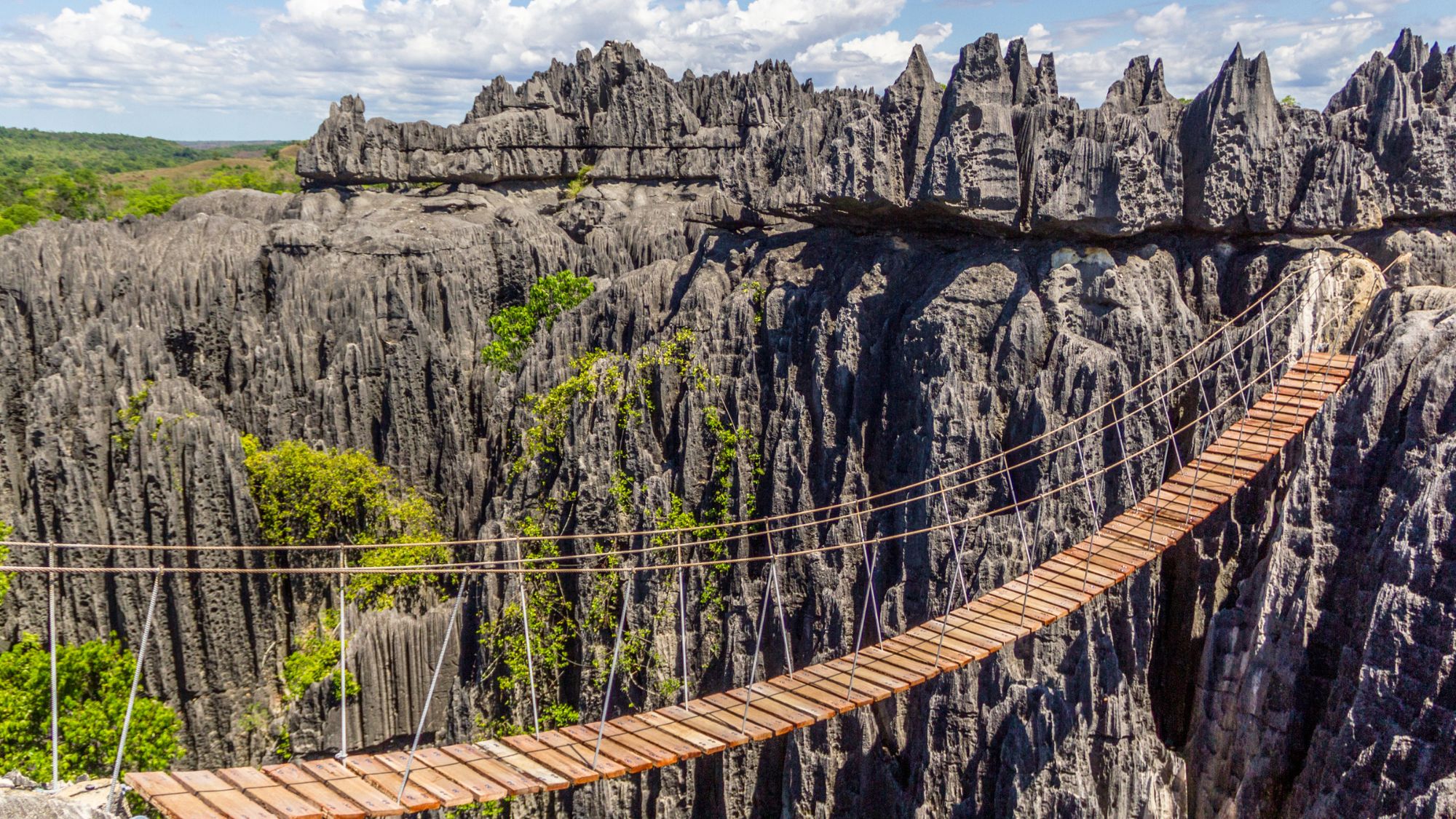
Madagascar is an island that split from Africa a long time ago, making its plants and animals very special.
Because of this, some people call it the 'eighth continent.'
However, many of the forests have been cut down for farming.
Despite this, some amazing places with unique wildlife remain, like parks with spiky rock formations and beautiful islands.
Tourists can visit these areas to see amazing creatures like giant chameleons, colorful moths, and rare lemurs.

Madagascar, isolated for millions of years, boasts unique flora and fauna.
Significant forest loss has occurred due to human activity and agriculture.
Pockets of wilderness, like Tsingy de Namoroka National Park, still exist.
New lodges have opened in these areas, offering access to unique wildlife.
Nosy Boraha island provides rainforest experiences and whale-watching opportunities.
- Who
- The author, Edward Tucker-Brown (camp owner), tourists, and the local wildlife.
- What
- Exploration of Madagascar's unique landscapes, flora, and fauna, highlighting pristine wilderness areas.
- When
- The articles describe the present day, with references to historical events like the island's separation.
- Where
- Madagascar, including specific locations like Tsingy de Namoroka National Park and Nosy Boraha island.
- Why
- To showcase the unique biodiversity of Madagascar and the efforts to preserve it despite environmental challenges.
- Island's separation
- Around 180 million years ago
- Forest Loss
- Due to slash-and-burn agriculture
- National Park
- Tsingy de Namoroka National Park
- Tsingy
- Karst landscape meaning "where you cannot walk barefoot"
- Lemur sightings
- "Creamy teddy bears"
- Whale watching
- Humpback whales offshore during summer