

Archive · 29 May 2025
The Vacant Deputy Speaker's Position: A Constitutional Concern
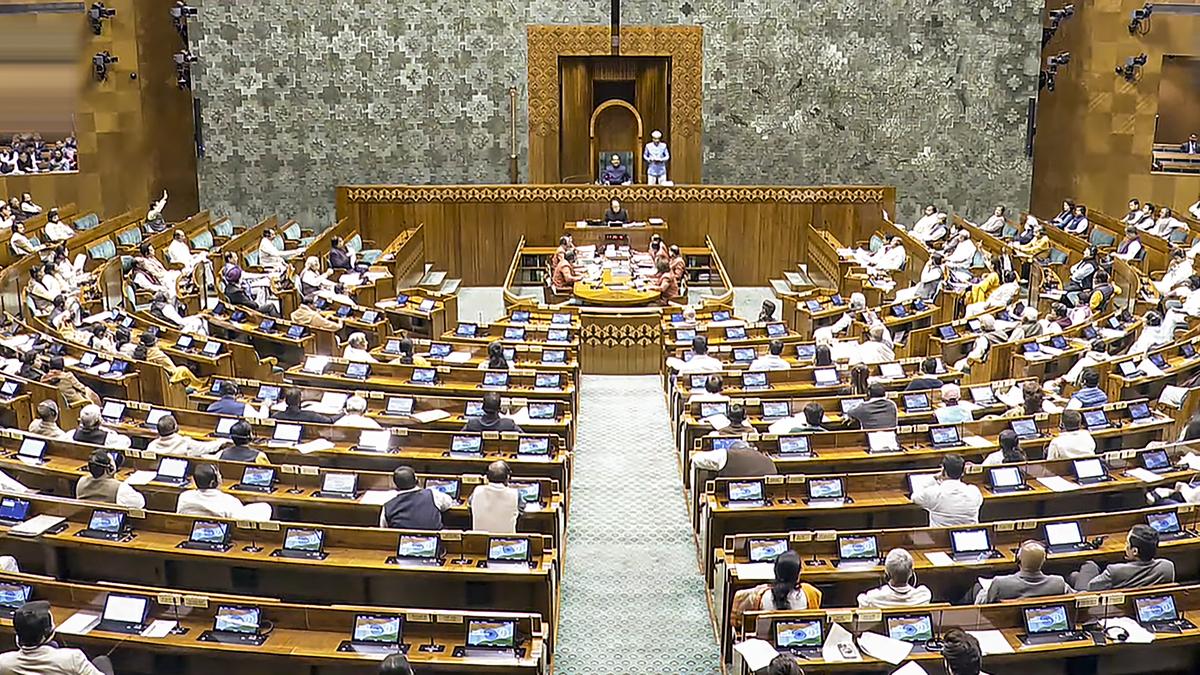
Imagine the government has a second-in-command in the parliament called the Deputy Speaker.
This person is super important, like a backup for the main leader.
But for six years, this position has been empty, which could be a problem.
Laws say they need to choose someone quickly, but the government hasn't.
This makes some people worry about fairness and how well the government is working.
Having the Deputy Speaker helps the government check itself and make sure everyone is heard, so not having one could cause issues.

The Deputy Speaker position has been vacant for six years, raising questions about constitutional adherence.
The Deputy Speaker plays a crucial role in maintaining legislative continuity and ensuring checks and balances.
The government has not appointed a Deputy Speaker in recent years, potentially against convention.
The absence of a Deputy Speaker centralizes authority in the Speaker, which is part of the ruling party.
The practice of offering the Deputy Speaker post to the Opposition is a long-standing convention.
- Who
- The government, the opposition, and the Speaker are key actors.
- What
- The importance and implications of the vacant Deputy Speaker position.
- When
- The position has been vacant for the last six years.
- Where
- In the Lok Sabha.
- Why
- The position is crucial for parliamentary democracy, ensuring checks and balances, and proper function of the government. It is vacant due to potential disagreements on the appointee.
Ruling Government
Opposition
Deputy Speaker Appointment
Ruling Government
May not want to give the position to the opposition.
Opposition
Not explicitly stated.
- Article 93
- Mandates election of Deputy Speaker "as soon as may be"
- Article 94
- Reinforces continuity of Deputy Speaker's office
- Article 180
- Deputy Speaker conducts duties of Speaker when chair is vacant
- Rule 8
- Election date fixed by Speaker
- 17th Lok Sabha
- No Deputy Speaker appointed (2019-2024)