

Archive · 24 Dec 2025
Exosome Therapy: Hype vs. Reality in Hair and Skin Treatments
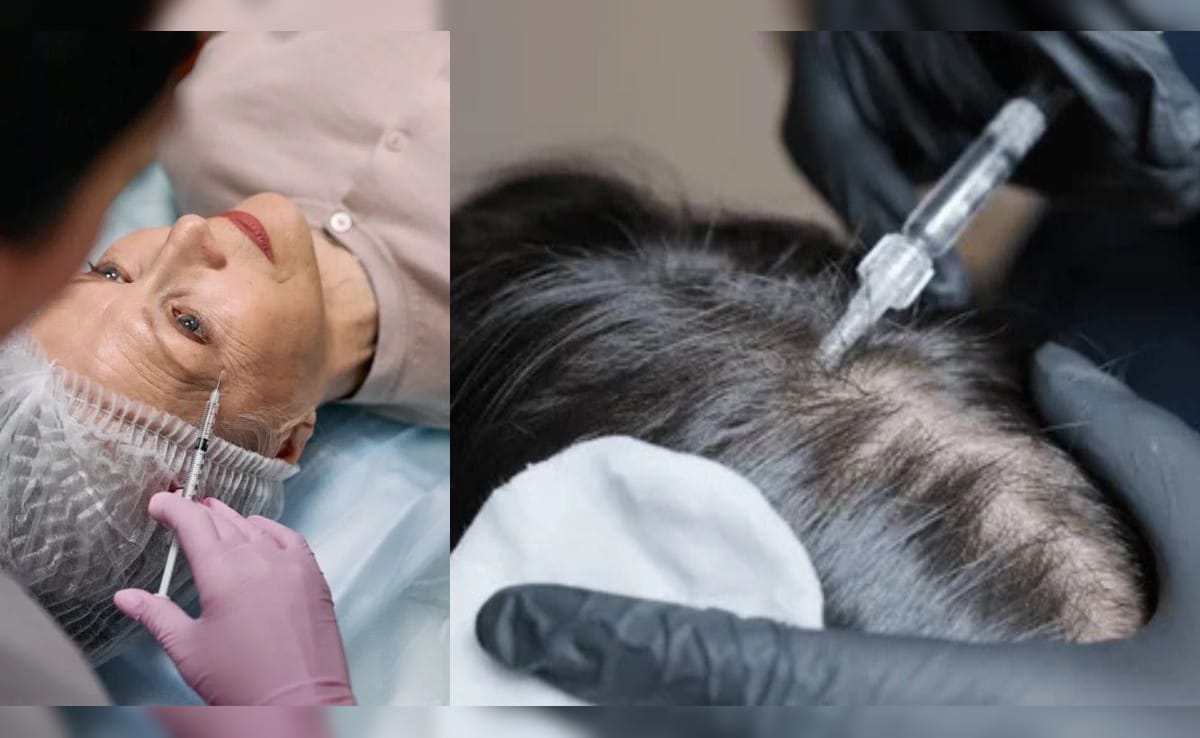
Exosome therapy is a new treatment that uses tiny particles from cells to help hair grow and make skin look younger.
These particles, called exosomes, carry messages that can help repair and rejuvenate cells.
Some people have seen better hair and skin after using this therapy, but it's not a guaranteed cure.
Scientists are still studying how well it works and if it's safe.
Right now, there are no official approvals for these treatments, and some products might not be properly tested.
So, while it sounds promising, it's important to be careful and understand that more research is needed.

Exosome therapy uses nano-sized vesicles to stimulate hair and skin cells, showing promise in early studies.
Improvements in hair density and thickness have been observed, particularly in patients with androgenetic alopecia.
Skin rejuvenation benefits include reduced wrinkles, improved texture, and better pigmentation, often combined with other treatments.
Regulation is lacking, with no FDA-approved exosome products and concerns over safety and product variability.
Long-term efficacy and durability beyond 12-24 months remain unclear, and more research is needed.
- Who
- Patients seeking hair regrowth and skin rejuvenation, dermatologists, and clinics offering exosome therapy.
- What
- Exosome therapy, a treatment using nano-sized vesicles to stimulate hair and skin cells.
- When
- Currently popular and widely discussed, with ongoing research and clinical trials.
- Where
- Offered in high-end dermatology clinics and increasingly in Indian salons.
- Why
- To improve hair density, thickness, and skin texture, though long-term efficacy and safety are still under investigation.
- Exosomes
- Nano-sized vesicles released by cells, carrying proteins, lipids, and genetic material.
- Sources
- Derived from mesenchymal stem cells, often from fat tissue, bone marrow, or umbilical cord tissue.
- Applications
- Injectables, topical serums, or skin boosters, applied via microneedling, injections, or lasers.
- Hair Regrowth
- Improves hair density and thickness in some patients, particularly with androgenetic alopecia.
- Skin Rejuvenation
- Improves wrinkles, texture, pigmentation, and pore appearance, often combined with other treatments.
- Regulation
- No FDA-approved exosome products; concerns over safety and product variability.
- Side Effects
- Rare in hair-specific studies; broader dermatology data shows serious adverse events.
- Long-term Efficacy
- Durability beyond 12-24 months is unclear.