

Archive · 6 Aug 2025
Exercise: A Key Ally Against Stress and Mental Health Challenges
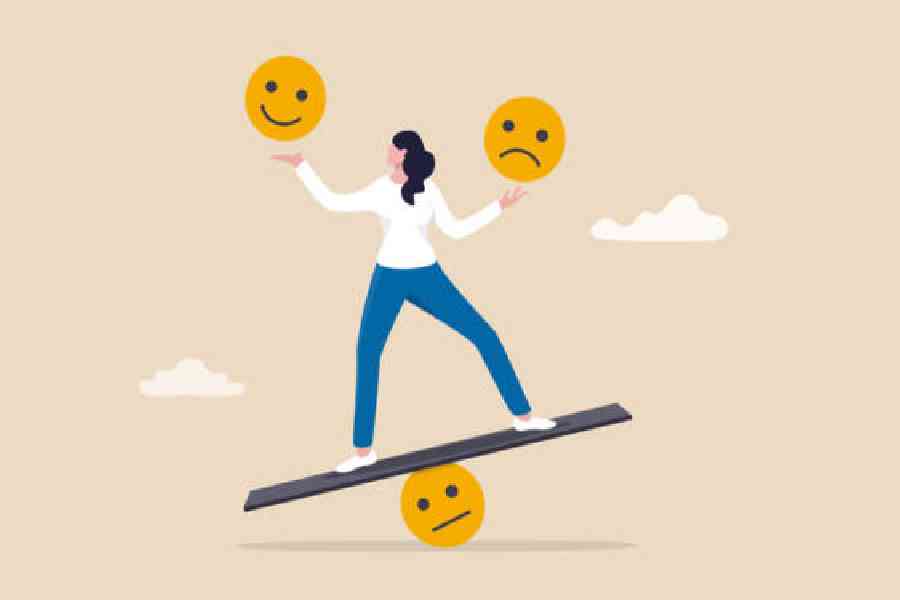
Life can be tough, and sometimes we feel stressed or sad.
This article talks about how modern life, with less family support, can make these feelings worse.
It explains that mental health issues like feeling down are common, and some people try to feel better in unhealthy ways.
The good news is that doing exercises, like walking or running, can help a lot!
Starting to exercise when you're young makes it easier to handle stress and feel happier when you grow up.
It is like giving your brain a boost, making it work better and making you feel good.

Modern lifestyles contribute to increased stress and mental health issues.
Mental health problems like anxiety and depression are becoming more common.
Exercise is proven to help prevent stress and enhance mental well-being.
Regular exercise from childhood builds lifelong resilience and emotional stability.
Exercise boosts brain function and releases mood-enhancing neurotransmitters.
- Who
- The article focuses on individuals experiencing stress and mental health challenges, and how they can be supported through exercise.
- What
- The article discusses the increasing prevalence of mental health issues and the benefits of exercise in managing stress.
- When
- The article implies the trends are recent, connected to modern lifestyles in the 21st century.
- Where
- The article is related to society as a whole and does not specify a geographical location.
- Why
- The shift away from traditional family structures and the rise of modern lifestyles are contributing to increased stress and the importance of exercise as a coping mechanism.
- Common Issues
- Anxiety, depression, loneliness, stress
- Treatment
- Medication, counselling, behavioral therapy
- Exercise Benefit
- Stress reduction, enhanced sleep, emotional regulation
- Recommended exercise
- 30 minutes daily for children
- Brain impact
- Boosts blood flow, enhances cognitive function, releases endorphins