

Health · Medical Research · 4 hrs ago
High-fat diets in mouse parents linked to offspring brain differences
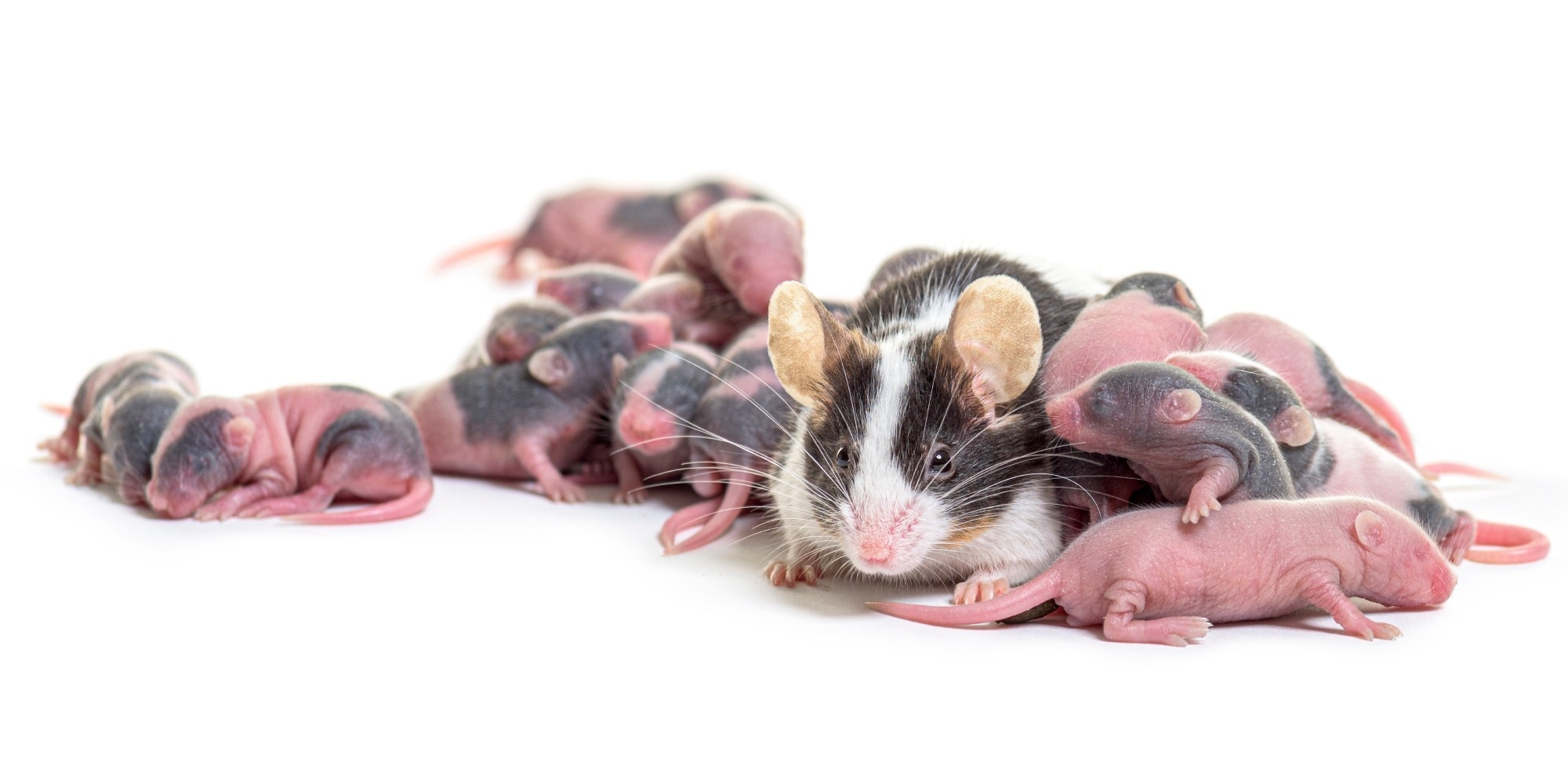
Researchers studied how parents’ diets affected mouse offspring by feeding breeding pairs diets with different amounts of fat and sugar.
The high-fat diets were linked to delayed reflexes in newborn pups and differences in the relative volumes of brain regions in early adulthood.
A high-sugar diet alone showed no significant differences in individual brain-region volumes in the main MRI comparisons.
The findings suggest dietary fat had a stronger influence than sugar in this mouse model.
The study is relevant to research on whether parental diet could affect brain development, but it does not establish effects in humans.
The researchers could not separate the effects of mothers’ and fathers’ diets or determine which exposure period mattered, and no next steps were stated.

Researchers found that high-fat diets fed to mouse parents were associated with delayed newborn reflexes and differences in offspring brain-region volumes in early adulthood.
The study compared five parental diets that varied in fat and sugar content.
A high-sugar diet alone did not produce significant differences in individual brain-region volumes in the main MRI comparisons.
The findings suggest that dietary fat had a greater influence than sugar in this mouse model.
The researchers said the study could not distinguish maternal from paternal contributions or effects at different exposure stages.
- Who
- Researchers in Canada and the USA studied breeding pairs of C57BL/6J mice and their offspring.
- What
- The study examined how parental diets with different fat and sugar levels affected offspring brain development.
- When
- The study was published on 2026-10-28. Offspring brain scans were conducted around postnatal day 65.
- Where
- The study was conducted by researchers in Canada and the USA.
- Why
- The researchers aimed to compare the effects of parental fat and sugar intake on offspring brain structure and early developmental milestones.
This story does not have two clearly opposing sides.
Breeding pairs ate their assigned diets during acclimation and mating.
Pregnant females continued their assigned diets.
Offspring were weaned onto the standard control diet.
Researchers assessed newborn pups’ righting reflex.
Researchers used MRI to examine 157 offspring brains.
- Diet groups
- Five diets with varying fat and sugar contents
- High-fat diets
- 43% or 60% of calories from fat
- Combined diet
- 42% of calories from fat and 34% sucrose by diet weight
- Brain imaging
- 157 offspring brains examined with 7-Tesla MRI
- Brain regions
- Relative volumes measured in 185 bilateral regions