

Health · Medical Research · 3 hrs ago
US study finds stronger oral bacteria links for beer and liquor than wine
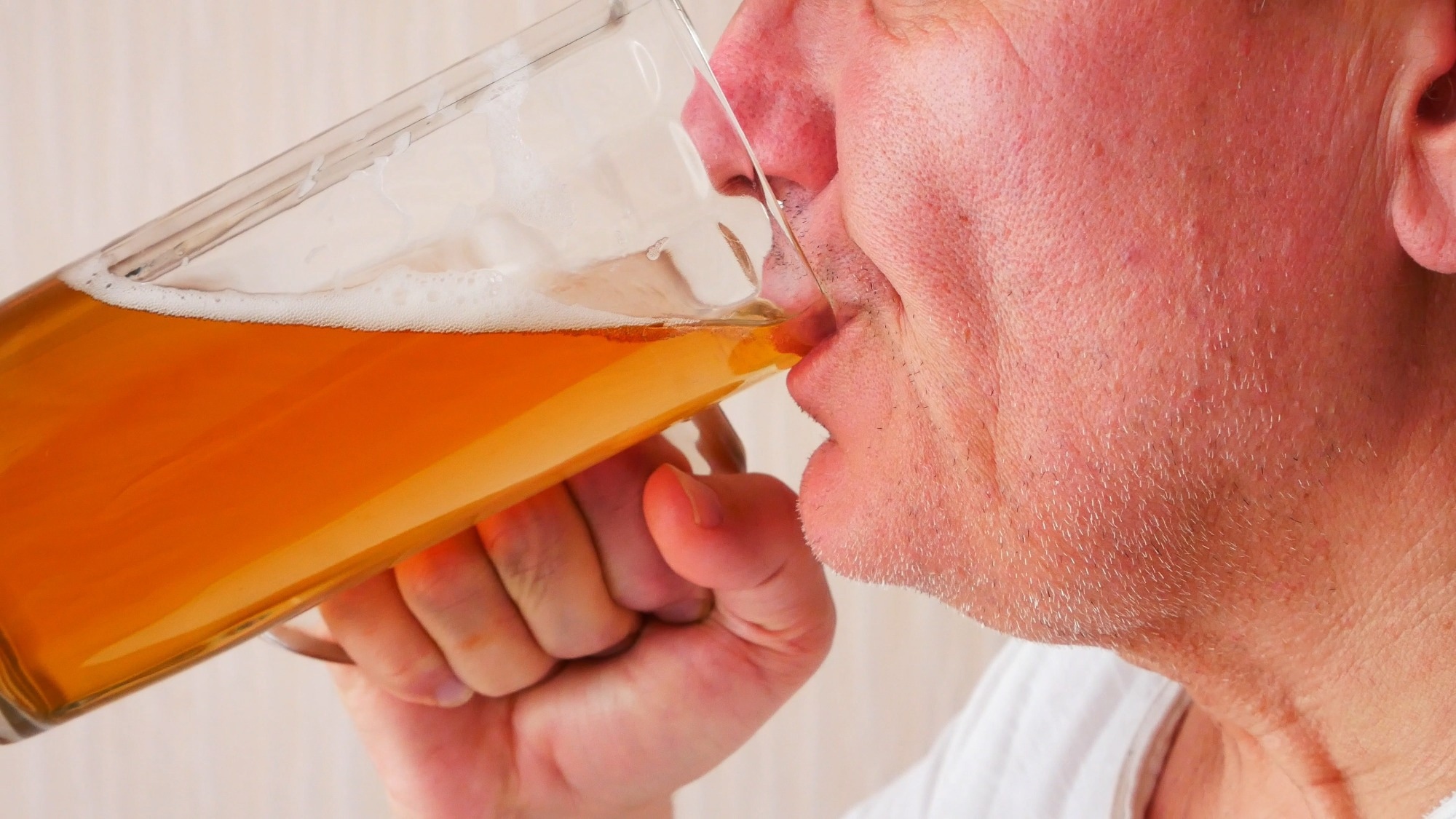
Researchers examined drink habits and oral bacteria in 5,598 adults from three US studies.
They found that alcohol intake had the strongest links with differences in the mouth’s bacterial communities among the drink categories studied.
Beer and liquor showed notable associations, while the findings for wine were less prominent.
Higher alcohol intake was also associated with greater bacterial richness and more of some bacteria linked to gum disease.
Coffee had a few associations, while tea, sweetened drinks and fruit juice showed none after statistical correction.
The findings matter because changes in oral bacteria have been linked to gum disease and other health conditions, but the study found associations, not proof that drinks caused changes.
The findings are preliminary and not peer-reviewed, so they are not conclusive.

A US study found that alcohol intake had stronger associations with oral bacteria than the other beverage categories examined.
The analysis pooled data from 5,598 adults in three US prospective cohorts.
Beer and liquor showed associations with oral bacteria, while coffee had a few significant genus-level associations.
Tea, sugar-sweetened beverages, artificially sweetened beverages and fruit juice showed no associations after adjustment for multiple testing.
The findings come from a preprint that has not been peer-reviewed and are not conclusive.
- Who
- Researchers primarily affiliated with the US National Cancer Institute conducted the study.
- What
- They examined associations between habitual beverage intake and oral bacterial diversity and composition.
- When
- The study was reported on October 26, 2026. The analysis assessed beverage intake over the preceding 12 months.
- Where
- The data came from three US cohorts.
- Why
- The researchers aimed to address gaps in evidence about how commonly consumed beverages relate to the oral microbiome.
This story does not have two clearly opposing sides.
This story does not have a timeline yet.
- Study sample
- 5,598 adults
- Cohorts
- US Agricultural Health Study, NIH-AARP Diet and Health Study, and PLCO Cancer Screening Trial
- Genus-level findings
- Alcoholic beverages accounted for 25 of 28 statistically significant associations across beverage categories
- Beverage assessment
- Validated 124-item Diet History Questionnaire
- Study status
- Preprint on medRxiv; not peer-reviewed