

Health · Fitness & Nutrition · 12 hrs ago
Walking alone may not provide enough exercise to support bone strength
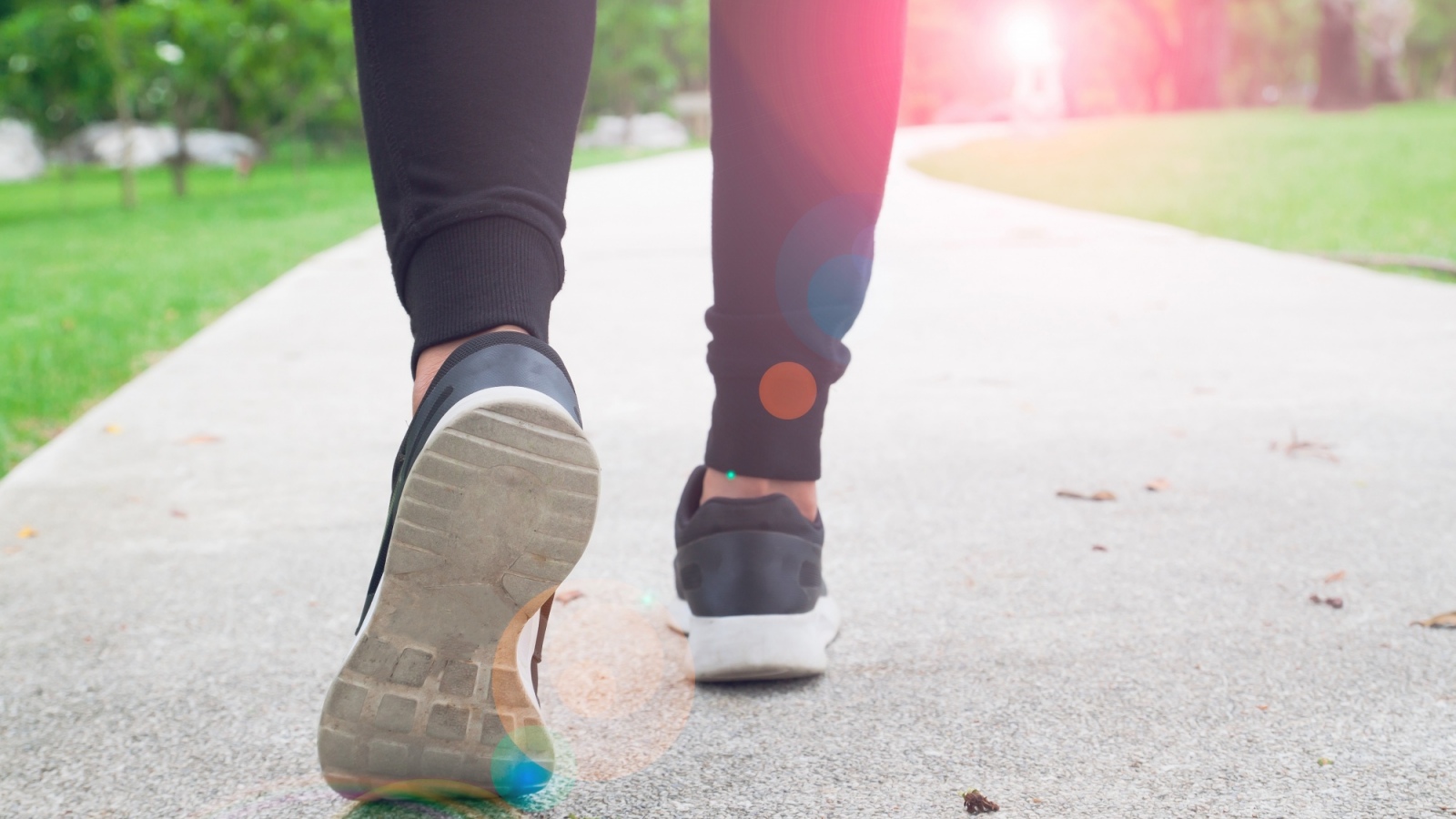
Wellness coach Wendy Wang said her mother had osteopenia despite walking 15,000 steps a day for 15 years.
Osteopenia means lower-than-normal bone density, and bone density gradually declines after 40.
An orthopaedic surgeon in Thane said walking supports heart health, mobility and weight, but may not give bones and muscles enough resistance or loading on its own.
He recommends adding exercises such as squats, step-ups and resistance-band work, along with stretching and balance training.
High-impact exercise is not essential, especially for people with joint problems; lower-impact strength exercises can also load bones and build muscle.
A varied routine can also include activities such as cycling, swimming or dancing, depending on a person’s joints and ability.
People with ongoing pain, previous joint surgery or significant weakness should have an exercise plan arranged with an orthopaedic specialist or physiotherapist.

Wellness coach Wendy Wang said her mother developed osteopenia despite walking 15,000 steps a day for 15 years.
Orthopaedic surgeon Ashish Phadnis said walking supports cardiovascular health and mobility but may not provide enough loading to maintain bone and muscle strength.
He recommends combining walking with resistance, weight-bearing, stretching and balance exercises.
High-impact exercise is not necessary, particularly for people with joint problems.
People with ongoing pain, a previous joint operation or considerable weakness should seek an individually arranged exercise programme.
- Who
- Wendy Wang’s mother, whose experience was highlighted by Wang, and people relying on walking as their main exercise. Orthopaedic surgeon Ashish Phadnis offered advice.
- What
- Walking alone may not provide enough stimulus to maintain bone and muscle strength; other forms of exercise may help.
- When
- The article was published on 2026-10-11. Wang recently highlighted her mother’s experience.
- Where
- Not stated
- Why
- Bone density gradually declines after 40, and bones and muscles also need resistance and loading to stay strong.
This story does not have two clearly opposing sides.
Walking is very beneficial for cardiovascular health, for mobility and for keeping a healthy body weight, but bones and muscles also need resistance and loading in order to stay strong
It is not necessary to jump, especially if one has joint problems
impact and load
Wang’s mother walked 15,000 steps a day and still had osteopenia.
Wang highlighted her mother’s experience in an Instagram post and asked whether walking alone is enough to maintain bone strength after 40.
- Daily steps
- 15,000
- Walking duration
- 15 years
- Condition
- Osteopenia
- Expert
- Ashish Phadnis, Jupiter Hospital, Thane
- Publication date
- 2026-10-11
Sources
Related news

Survey links sports club membership with physical strength

A blood sugar reading of 278 mg/dL is high and should be rechecked

Japanese study links enclosed streetscapes with better sleep

Stress reactions can develop into fractures in runners

Peanuts or pistachios: Which is better for your health?

Study links fitness apps with shame and frustration for some users

Experts highlight a snack option for supporting muscle growth

Japan study warns children’s screen time may increase prolonged sitting

Planning and portioning freezer foods can make healthy meals quicker

Screen use and poor posture can put added strain on the neck

How prebiotics, probiotics and postbiotics differ
