

Science & Tech · Gadgets & EVs · 1 hr ago
XMG Neo 16 buyers can choose between Mini-LED and OLED displays
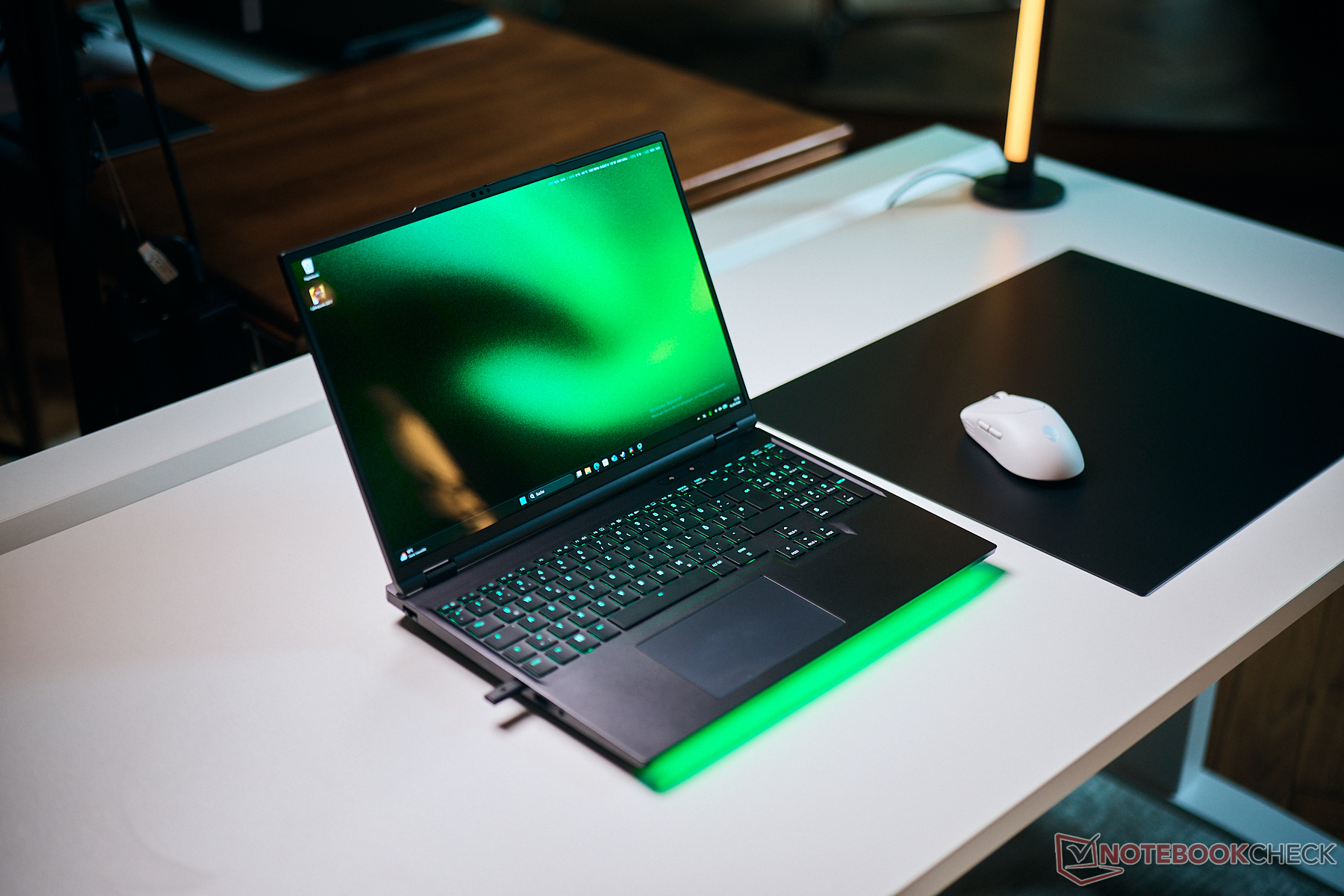
The 2026 XMG Neo 16 offers three display choices: standard IPS, Mini-LED and, for the first time, OLED.
The two upgraded screens cost the same, and both deliver better image quality than the IPS option.
Mini-LED reaches 1,500 nits, runs at 300 Hz and supports G-Sync, making it a strong choice for fast-paced games.
OLED runs at up to 240 Hz and responds faster, with images that can appear to have more depth, but its glossy surface can show reflections.
Mini-LED has a slight overall edge because it is brighter and supports G-Sync, while OLED supports variable refresh rate through VRR.
Battery results depend on brightness: Mini-LED lasted slightly longer in a Wi-Fi test at 150 nits, while OLED lasted longer at full brightness.
Both screens can suit gaming and photo editing, and calibration improved their performance for wider P3 color work.

XMG offers the 2026 Neo 16 M26 with a choice of Mini-LED or OLED displays, alongside a standard IPS option.
Notebookcheck found that both upgraded displays deliver better image quality than the IPS panel and are suitable for gaming.
The Mini-LED panel supports G-Sync, reaches 1,500 nits and refreshes at 300 Hz.
The OLED panel refreshes at 240 Hz, has faster response times and gives images slightly more depth, but lacks G-Sync.
Notebookcheck gave Mini-LED a slight overall edge, mainly because of its G-Sync support and higher brightness.
- Who
- XMG Neo 16 M26 buyers.
- What
- Buyers can choose between Mini-LED and OLED display upgrades, which Notebookcheck tested and compared.
- When
- For the 2026 model year.
- Where
- Not stated.
- Why
- XMG offers the display options so buyers can choose between their different features and trade-offs.
Mini-LED display
OLED display
Refresh rate and sync
Mini-LED display
It offers a 300 Hz refresh rate and supports G-Sync.
OLED display
It offers a 240 Hz refresh rate and supports VRR, but not G-Sync.
Image and brightness
Mini-LED display
It reaches 1,500 nits.
OLED display
It gives the image slightly more depth, but Notebookcheck's unit had considerably lower peak HDR brightness.
Response and finish
Mini-LED display
It has a matte finish and fast response times.
OLED display
It has faster response times, but its glossy finish can make reflections more noticeable.
XMG offered the Neo 16 M26 with three display options, including Mini-LED and OLED.
Notebookcheck published its comparison of the Mini-LED and OLED versions.
- Model
- XMG Neo 16 M26
- Mini-LED refresh rate
- 300 Hz
- OLED refresh rate
- 240 Hz
- Mini-LED peak brightness
- 1,500 nits
- Standard IPS refresh rate
- 300 Hz
What people are saying
Overall, the Mini-LED display has a slight edge, mainly thanks to G-Sync support and higher brightness.
Both displays are excellent for gaming.