

Science & Tech · AI · 5 hrs ago
Bursa’s manufacturers face a major shift as AI enters industry
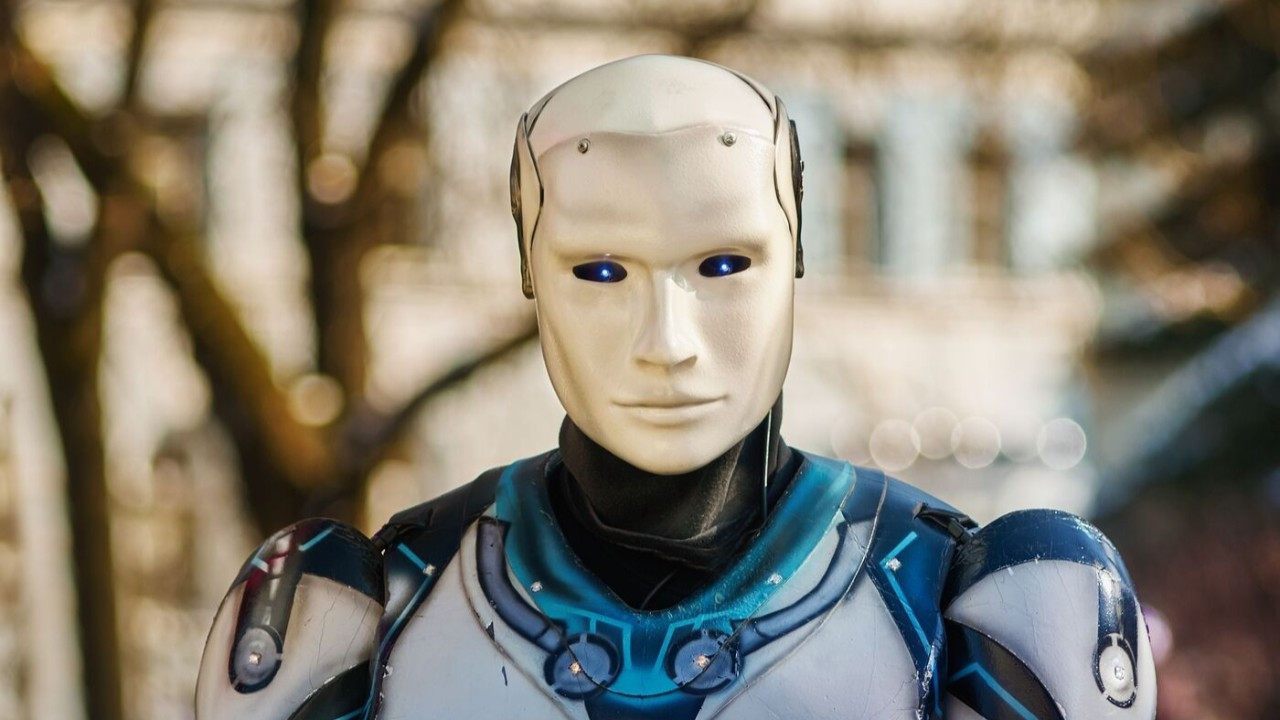
Bursa’s manufacturers are being urged to prepare for wider use of artificial intelligence in factories, from automotive and textiles to machinery.
The commentary cites a forecast by Professor Necmi Gürsakal that AI will enter factory planning, monitoring and quality checks in 2026 and 2027.
From 2027 to 2030, a gap could grow between businesses that adapt and those that stick to traditional methods.
From 2030, the forecast sees production, engineering and data management becoming closely linked.
Automation could put jobs and business competitiveness at risk if companies and workers are unprepared.
The piece argues that AI should support human workers, not replace their judgment, and calls for updated training and lower digitalisation costs for small businesses.
Bursa has begun preparing through technology-focused industrial zones and digitalisation events, but the commentary says skilled people will remain essential.

Bursa’s manufacturers face pressure to adopt artificial intelligence as factories move toward data-driven production and automation.
A projection by Professor Necmi Gürsakal outlines three stages for the transformation, from factory integration in 2026-2027 to a new industrial model after 2030.
The article warns that businesses that adapt and those that resist could face a widening gap in competitiveness and employment.
It says Bursa has initiatives including high-tech industrial zones and “Digital OSB” meetings, but stresses the need to prepare workers through education and professional development.
The article argues that AI should support human skills and be managed by people, rather than replace human judgment.
- Who
- Bursa’s manufacturers, businesses and workers.
- What
- The article examines how artificial intelligence may transform industry and employment in Bursa.
- When
- The projected changes span 2026 onward, with stages through 2030 and beyond.
- Where
- Bursa, Türkiye.
- Why
- AI and automation are expected to change production, competitiveness and employment, making preparation and worker training important.
This story does not have two clearly opposing sides.
AI is projected to become integrated into factories for productivity, process monitoring and quality control.
A gap in competitiveness and employment is projected to widen between businesses that adapt technology and those that stick to traditional methods.
Production, engineering and data management are projected to become integrated in a new industrial model.
- Projection author
- Professor Necmi Gürsakal
- First projected stage
- 2026-2027
- Second projected stage
- 2027-2030
- Third projected stage
- 2030 and beyond
- Initiatives mentioned
- TEKNOSAB and “Digital OSB” meetings in NOSAB and other organized industrial zones
What people are saying
Where will humans stand in the industry of the future?
Will artificial intelligence manage us, or will we manage artificial intelligence?
It is trained human resources that will give technology meaning and turn it into added value.