

Health · Medical Research · 7 hrs ago
Vanderbilt researchers map molecular diversity across breast cancer
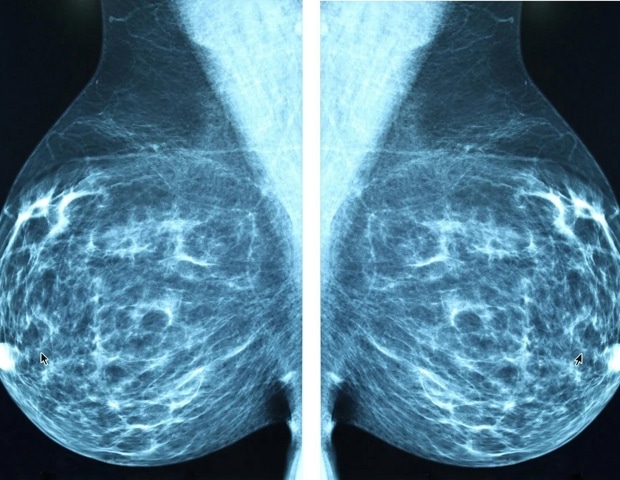
Researchers at Vanderbilt-Ingram Cancer Center built a molecular map of more than 7,600 breast tumors using data from 22 studies.
The map measures patterns in tumors’ RNA, which can reveal how their genes are active.
Breast cancer is often classified by hormone receptors and HER2, but those categories do not capture all meaningful differences among tumors.
The atlas found that some estrogen receptor-low cancers resemble ER-negative disease, and it identified distinct groups of HER2-positive and triple-negative cancers.
It also uncovered a neuroendocrine form linked to worse outcomes after standard treatment, with FGFR1 flagged as a possible target.
These findings could help researchers match treatment choices to a tumor’s biology and guide clinical trials.
The team hopes that patients’ tumors can eventually be placed on the map to support treatment selection.

Vanderbilt researchers created a large breast cancer molecular atlas using data from more than 7,600 tumors across 22 studies.
Published in Cell Reports Medicine on Nov. 3, the study maps differences in gene activity linked to tumor biology, clinical outcomes and treatment sensitivity.
The atlas identifies tumor groups that current breast cancer classifications may not distinguish, including an estrogen-receptor-low group that behaves more like ER-negative disease.
Researchers say the map could eventually help guide treatment choices and clinical trial selection based on a tumor’s molecular characteristics.
- Who
- Researchers at Vanderbilt-Ingram Cancer Center, including corresponding author Brian Lehmann.
- What
- They created a transcriptomic atlas of breast cancer, integrating data from more than 7,600 tumors.
- When
- The study was published Nov. 3. The article was published in 2026.
- Where
- Vanderbilt-Ingram Cancer Center; the study’s publication is in Cell Reports Medicine.
- Why
- To reveal molecular differences that may be missed by standard classifications and help guide personalized treatment.
This story does not have two clearly opposing sides.
This story does not have a timeline yet.
- Tumors analyzed
- More than 7,600
- Studies combined
- 22 independent studies
- Research center
- Vanderbilt-Ingram Cancer Center
- Potential target
- FGFR1 in a hidden neuroendocrine form of breast cancer
- Study journal
- Cell Reports Medicine
What people are saying
By analyzing thousands of tumors together, we uncovered previously hidden forms of breast cancer that differ in prognosis, biology and treatment sensitivity.
Some of the most important findings came from tumors hiding in plain sight,