

Science & Tech · Science & Environment · 5 hrs ago
Early blindness and musical training may improve pitch hearing
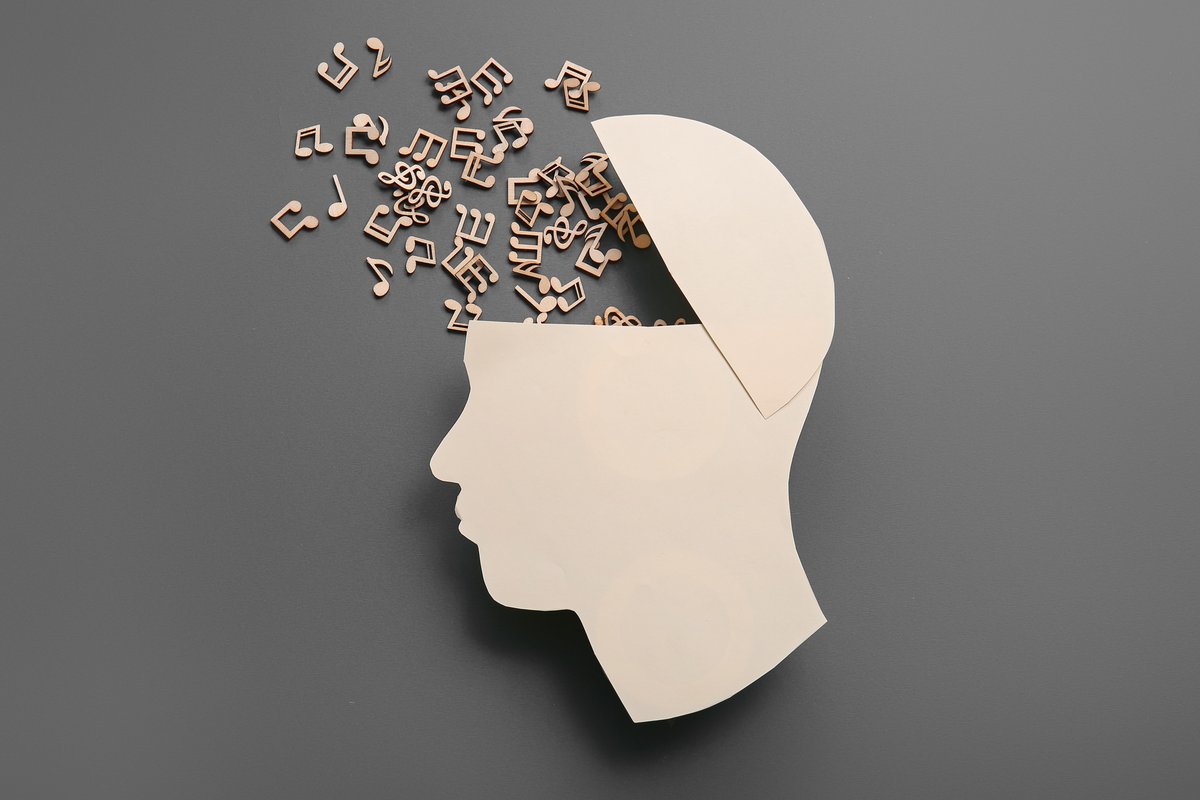
A study published in the Journal of Neuroscience found that people blind from early childhood distinguished pitches better than sighted participants.
The researchers tested nine people who became blind before age 2 and 18 sighted people, with different levels of musical training.
Participants tried to detect a tone in background noise and to identify which of two tones had the higher pitch.
The early-blind group did better only at comparing pitches, suggesting the difference came from how the brain processes sound, not how the inner ear detects it.
The researchers’ model linked better pitch discrimination to more consistent responses to sounds, rather than greater sensitivity to particular frequencies.
Sighted musicians also showed this consistency, suggesting musical training may reduce internal noise.
The findings point to internal noise as one factor in how experience can tune the brain to sound.

A study found that people who became blind before age 2 were better than sighted participants at distinguishing pitch.
The researchers linked this advantage to more consistent processing of sounds, described as reduced internal noise.
Sighted musicians also processed sounds more consistently than sighted people without extensive musical training.
The study included nine people with early-life blindness and 18 sighted participants.
- Who
- Researchers studied nine people who became blind before age 2 and 18 sighted people.
- What
- The study found that early blindness and musical training may improve pitch discrimination through more consistent sound processing.
- When
- The Scientific American article was published on November 8, 2026.
- Where
- Not stated.
- Why
- The researchers examined how early blindness and musical experience affect hearing and what may explain differences in pitch discrimination.
This story does not have two clearly opposing sides.
This story does not have a timeline yet.
- Early-blind participants
- 9 people who became blind before age 2
- Sighted participants
- 18 people
- Pitch discrimination
- Early-blind participants performed better than sighted participants
- Musical training
- Sighted musicians responded more consistently than people without extensive musical training
- Research journal
- Journal of Neuroscience
What people are saying
The less internal noise you have, the more reliably you can tell similar sounds apart
We found that people with early-life blindness were better than sighted people only in the pitch discrimination task.
Sighted musicians also responded to sounds more consistently compared with people who neither experienced early-life blindness nor received extensive musical training.