

Business · Economy · 1 hr ago
Paid lunch-break proposal could raise labor costs, estimates suggest
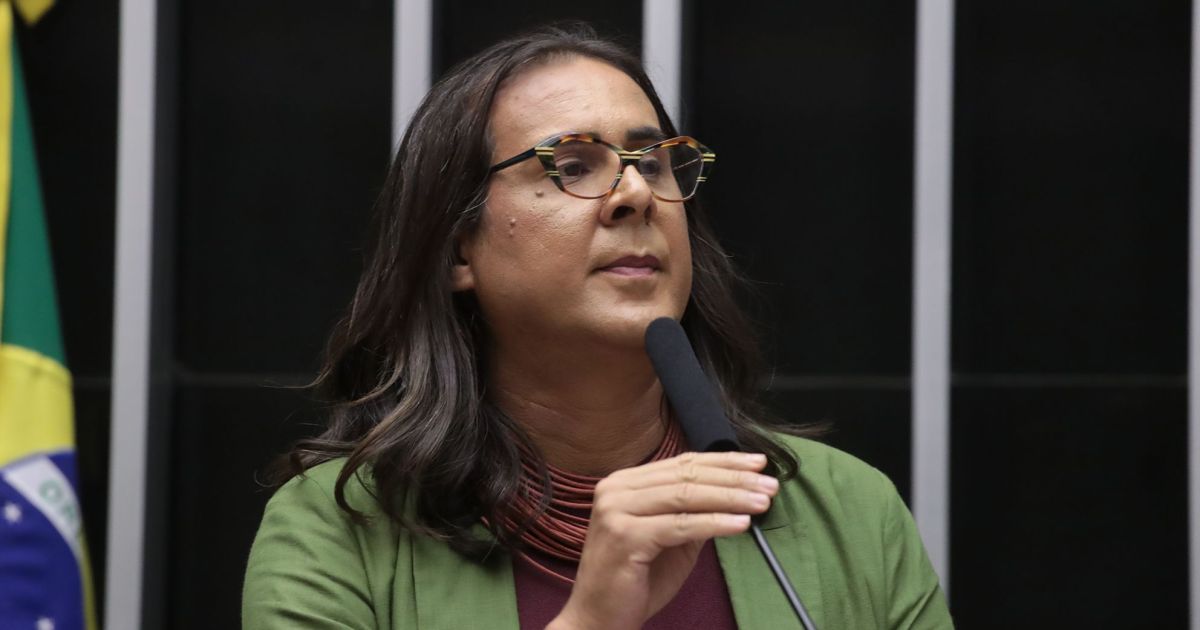
Brazilian lawmaker Duda Salabert proposed making lunch breaks paid work time for employees, without reducing their salaries.
The bill would count up to two hours of lunch each day as working time.
Estimates of the added labor cost vary: one economist put the increase at 12.5% for a one-hour paid break, while another estimate put it at 14% for that break and 33% for two hours.
The proposal comes as Brazil is also moving to reduce the maximum workweek from 44 hours to 40, with two days off.
That reduction is due to be phased in, first lowering the limit to 42 hours and later to 40.
Employers could face higher costs if workers receive the same pay for fewer hours of active work.
The proposal has been presented, but the available information does not say what happens next.

A proposal by federal deputy Duda Salabert to count lunch breaks as paid working time could raise labor costs, according to estimates cited by CNN Brasil.
Economist Zeina Latif estimated that paying for one additional hour a day could raise labor costs by 12.5%.
The Instituto Livre Mercado estimated a 14% increase for a one-hour paid break and 33% for a two-hour paid break.
The proposal would count lunch breaks of up to two hours a day as paid work without reducing salaries.
The proposal comes after a constitutional amendment set out a reduction in the standard workweek from 44 hours to 40 hours, also without salary cuts.
- Who
- Federal deputy Duda Salabert proposed the measure. Economist Zeina Latif and the Instituto Livre Mercado provided estimates of its potential cost.
- What
- The proposal would count lunch breaks of up to two hours a day as paid working time without reducing salaries.
- When
- It was presented on Thursday (5). The article was published on November 6, 2026.
- Where
- Brazil.
- Why
- The proposal aims to make lunch breaks paid working time. The sources do not state Salabert’s reason for proposing it.
Duda Salabert’s proposal
Instituto Livre Mercado
Cost of paid breaks
Duda Salabert’s proposal
The proposal would make lunch breaks of up to two hours a day paid working time without reducing salaries.
Instituto Livre Mercado
The institute says employers would bear higher labor costs because the same salary would cover fewer hours of effective work.
Effect on workers and employers
Duda Salabert’s proposal
The proposal would provide paid time during the lunch break.
Instituto Livre Mercado
The institute argues that the promised benefit could place costs on employers and affect employment.
Duda Salabert presented the proposal to count lunch breaks of up to two hours a day as paid work.
The first stage of the workweek reduction is due to begin, lowering the maximum to 42 hours a week with two days off.
The maximum workweek is due to fall to 40 hours.
- Proposal
- Lunch break of up to two hours a day counted as paid work
- Zeina Latif estimate
- 12.5% higher labor costs for one additional paid hour a day
- Instituto Livre Mercado estimate
- 14% higher costs for a one-hour paid break; 33% for a two-hour paid break
- First stage
- 42-hour maximum workweek from December 16
- Later stage
- 40-hour maximum workweek after a further 12 months
What people are saying
Really concerning. Even more so given the reduction in the workweek already approved.
The proposal starts from a simple and seductive promise, but one that is impossible to fulfill: giving workers something without anyone paying for it. The numbers do not add up.
Working less for the same pay is desirable, and it is possible, but only one way: through greater productivity.