

World · Latin America · 2 hrs ago
Salvadoran troops help Haiti retake stadium as coordination concerns grow
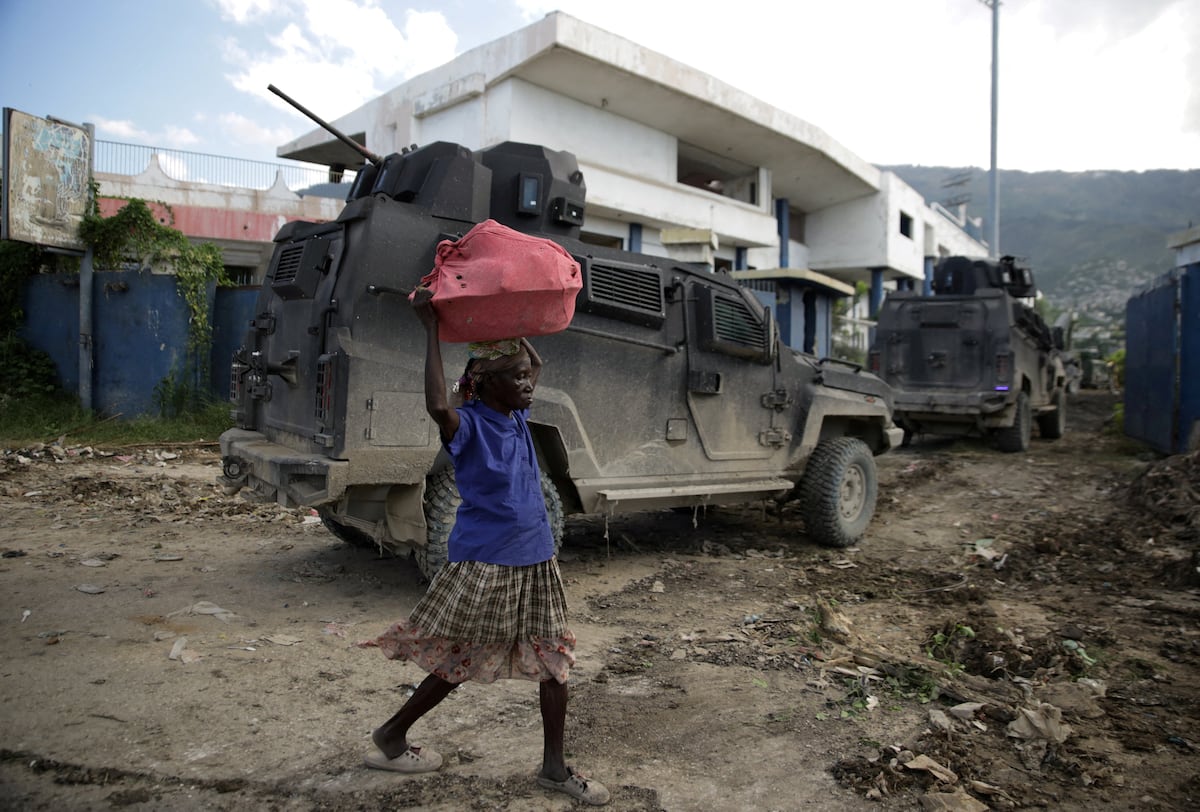
Haitian police and troops from El Salvador retook Sylvio Cator Stadium in Port-au-Prince, which gangs had controlled since 2024.
The stadium had been used as an outpost by fighters, and Haiti’s national football team had been forced to play its World Cup qualifiers abroad.
El Salvador’s President Nayib Bukele has sent more than 2,000 soldiers to Haiti since mid-October, and many residents have welcomed their intervention.
But El Salvador’s anti-gang campaign at home has involved mass arrests and drawn concerns about human rights and democracy.
Five armed forces are now operating in Haiti, including Haitian police and soldiers, Salvadoran troops, a US-linked task force and a UN-led force.
Poor coordination could put civilians at risk and make it unclear who is responsible if something goes wrong.
Haiti’s prime minister is working to set up an office to coordinate the forces and reduce the risk of clashes or friendly fire.

Haitian police and Salvadoran troops retook Port-au-Prince’s Sylvio Cator stadium from gangs last week.
The stadium had been under criminal control since 2024 and used as an outpost by fighters linked to gang boss Izo.
Salvadoran President Nayib Bukele has sent more than 2,000 soldiers to Haiti since mid-October.
The deployment has drawn public support from some Haitians but raised concerns about coordination and civilian safety.
The four Salvadoran technicians whose abduction prompted the operation had been working for a UN-backed security force.
- Who
- Haitian police and troops from El Salvador retook the stadium.
- What
- They recaptured Sylvio Cator stadium from gang control.
- When
- Last week, according to the Guardian article published November 21, 2026.
- Where
- Sylvio Cator stadium in Port-au-Prince, Haiti.
- Why
- The Salvadoran deployment was triggered by the October 18 abduction of four Salvadoran aviation technicians working for a UN-backed security force. El Salvador also said it was responding to a request for help from Haiti.
Supporters of the Salvadoran intervention
Critics of the intervention
Purpose
Supporters of the Salvadoran intervention
Supporters say the operation helps Haiti fight gangs and regain control of territory.
Critics of the intervention
Critics say the mission’s objectives and command arrangements are unclear.
Coordination and safety
Supporters of the Salvadoran intervention
Haitian Prime Minister Alix Didier Fils-Aimé has praised Salvadoran involvement, and some residents have welcomed the troops.
Critics of the intervention
Critics warn that poor coordination among the five forces operating in Haiti could endanger civilians and make accountability unclear.
Approach
Supporters of the Salvadoran intervention
Bukele presents the deployment as part of an effort to help Haiti overcome criminal violence.
Critics of the intervention
Activists and human rights organizations are alarmed by the prospect of applying the “Bukele model” in Haiti, given concerns about human rights.
Sylvio Cator stadium fell under criminal control as gangs captured much of the surrounding city.
Four Salvadoran aviation technicians working for a UN-backed security force were abducted.
El Salvador began sending troops to Haiti; more than 2,000 had arrived by the time of the Guardian report.
Haitian police and Salvadoran troops retook Sylvio Cator stadium.
Haitian Prime Minister Alix Didier Fils-Aimé publicly praised Salvadoran involvement.
People demonstrated in Port-au-Prince in support of Bukele, with many also saying they would march over state abandonment.
- Salvadoran deployment
- More than 2,000 soldiers sent to Haiti since mid-October
- Stadium
- Sylvio Cator stadium, Port-au-Prince
- Previous gang control
- The stadium fell to gangs in 2024
- Abducted technicians
- Four Salvadoran aviation technicians
- Forces operating in Haiti
- Haitian National Police, Haitian Armed Forces, Task Force, UN-led Gang Suppression Force
2 sources
What people are saying
We now have the upper hand on the ground
an orchestra without a conductor
If it’s not clear who is doing what, it’s also not clear who is accountable if something goes wrong.
avoid stepping on each other’s toes
Posts on X
Mwen salye angajman fòs salvadoryèn yo nan batay kont gang yo. Kontribisyon GSF, PNH, Fòs Lame Dayiti ak patnè entènasyonal yo pèmèt nou ranfòse operasyon sou teren an, reprann kontwòl teritwa a epi retabli otorite Leta. Chapo Prezidan Nayib Bukele @nayibbukele pou soutyen ak