

World · Middle East · 1 day ago
How the Guardian opposed the 1956 Suez invasion
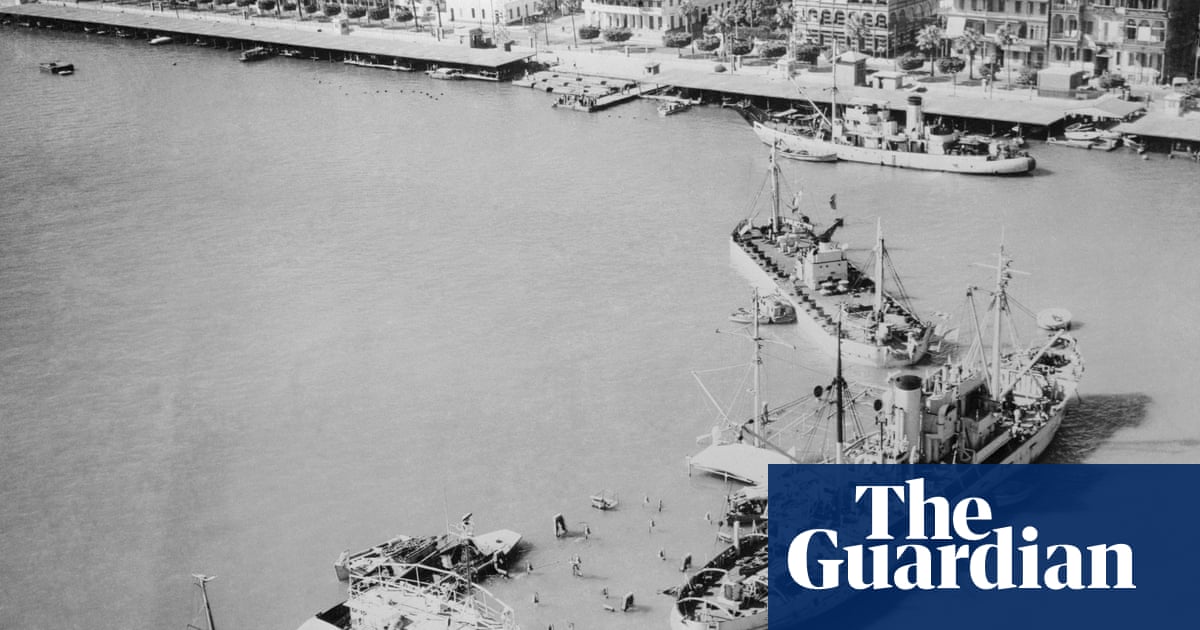
Egyptian president Gamal Abdel Nasser nationalised the Suez Canal Company in July 1956, taking control of the company that operated the canal.
Britain and France, which had interests in the canal, joined Israel in a military campaign to retake the canal zone.
Israeli forces entered the Sinai in October, followed by British and French air attacks on Egyptian military targets.
The Manchester Guardian opposed the use of force and called the invasion unjustified and immoral.
Prime Minister Anthony Eden tried to stop the BBC quoting the paper and wanted its diplomatic correspondent barred from broadcasting.
International pressure, especially from the US, helped bring a UN-mandated ceasefire on 6 November.
The invasion damaged Britain’s reputation, and the paper’s reporters also faced hostility from some members of the public.

The Manchester Guardian opposed the 1956 invasion of Egypt from the start of the Suez crisis.
After Egypt nationalised the Suez Canal Company, Britain and France joined Israel in a coordinated attack to take back the canal zone.
The Guardian condemned the government’s military action as unjustified and damaging to Britain.
Prime Minister Anthony Eden tried to stop the BBC quoting the paper and wanted its diplomatic correspondent banned from the airwaves.
The crisis ended with Britain and France accepting a UN-mandated ceasefire on 6 November under international pressure, particularly from the US.
- Who
- The Manchester Guardian opposed the invasion. Britain and France attacked Egypt alongside Israel.
- What
- Britain and France joined Israel in a military attack on Egypt to take back the Suez Canal zone. The Guardian condemned the use of force.
- When
- The crisis began with the nationalisation announcement on 26 July 1956. The ceasefire was accepted on 6 November.
- Where
- Egypt, including the Sinai desert, the canal zone and Port Said.
- Why
- Egypt nationalised the Suez Canal Company. Britain and France saw this as a threat to their interests and attacked to take back the canal zone.
The Manchester Guardian
The British government under Anthony Eden
Use of force
The Manchester Guardian
The paper opposed military action from the beginning and called the attack unjustified.
The British government under Anthony Eden
The government ordered a military attack on Egypt.
Public coverage
The Manchester Guardian
The paper published critical coverage of the invasion.
The British government under Anthony Eden
Eden tried to prevent the BBC from quoting the Guardian and wanted its diplomatic correspondent banned from the airwaves.
Egyptian president Gamal Abdel Nasser announced the nationalisation of the Suez Canal Company.
Israeli forces swept into the Sinai desert.
Britain and France began bombing Egyptian military targets.
The Guardian described the actions as hideously miscalculated and utterly immoral.
Britain and France accepted a UN-mandated ceasefire under international pressure, particularly from the US.
- Nationalisation announcement
- 26 July 1956
- Israeli advance
- Sinai desert, 29 October 1956
- Anglo-French bombing
- Began 31 October 1956
- Ceasefire accepted
- 6 November 1956
- Guardian editor
- Alastair Hetherington
What people are saying
It is wrong on every count – moral, military, and political.
an act of folly without justification
hideously miscalculated and utterly immoral
often met with hostility as they went about their business.