

Health · Medical Research · 1 hr ago
Thrombectomy May Help Some Stroke Patients Up to 72 Hours Later
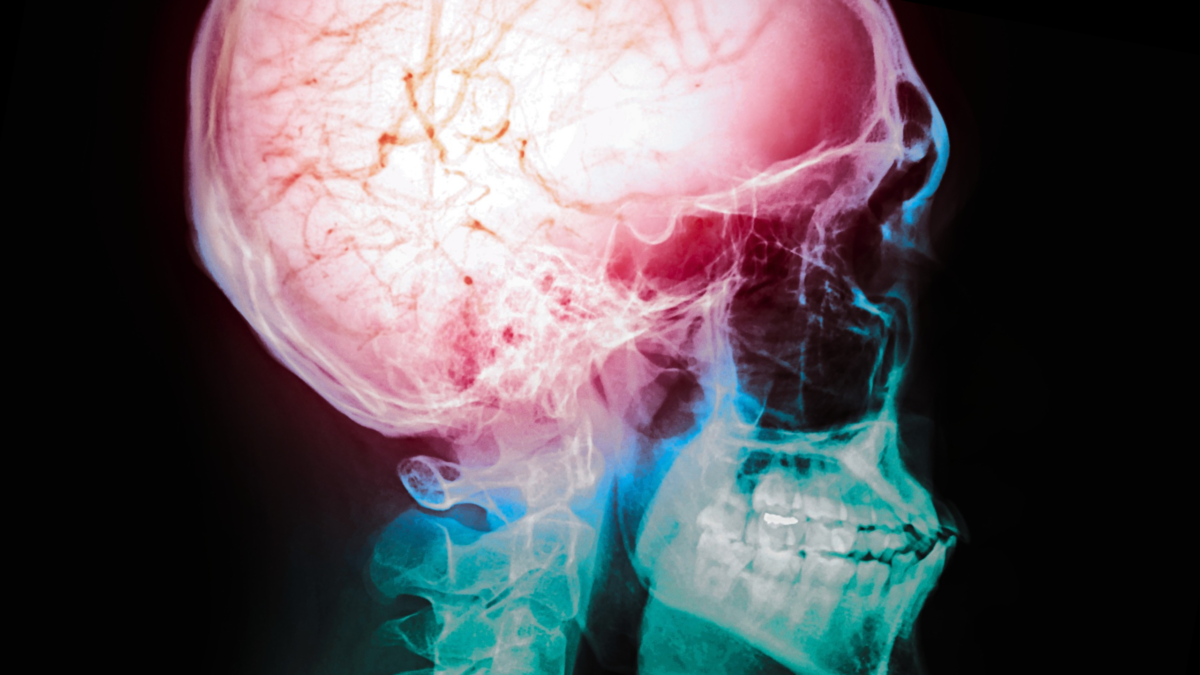
An ischemic stroke happens when a blockage cuts off blood flow to part of the brain.
Doctors can remove some of these clots with endovascular thrombectomy, using a catheter to reach the blocked blood vessel.
The treatment is established for some patients, but it has generally been used within 24 hours of stroke onset.
In a trial at 35 stroke centers in China, researchers studied patients treated 24 to 72 hours after symptoms began whose brain scans showed tissue that might still be saved.
Among 336 patients, those given thrombectomy plus standard care had better functional outcomes after 90 days than those given standard care alone.
The treatment also carried greater risks of brain bleeding and death: 6 percent of the thrombectomy group died within 90 days, compared with 1.8 percent of the standard-care group.
The findings apply to selected patients, and the benefits varied by the location and cause of the blockage.

A trial found that endovascular thrombectomy may improve outcomes for some ischemic stroke patients treated 24 to 72 hours after symptoms begin.
The study included patients whose brain scans showed tissue that could still be saved.
Researchers said outcomes generally favored thrombectomy plus standard care over standard care alone after 90 days.
The treatment effect varied according to the location and cause of the blocked blood vessel.
The thrombectomy group had higher rates of brain bleeding and death than the standard-care group.
- Who
- Patients with acute ischemic stroke caused by a large-vessel blockage in the anterior circulation.
- What
- A trial compared endovascular thrombectomy plus standard medical care with standard care alone for patients treated 24 to 72 hours after symptoms began.
- When
- Patients were screened between November 2022 and December 2025; outcomes were assessed after 90 days.
- Where
- 35 comprehensive stroke centers in China.
- Why
- Researchers investigated whether thrombectomy could help patients beyond the previously established 24-hour treatment window.
This story does not have two clearly opposing sides.
Researchers screened patients for eligibility at 35 comprehensive stroke centers in China.
Eligible patients arrived at a participating stroke center within this window and had scans showing salvageable tissue.
Researchers assessed outcomes, which generally favored endovascular therapy but varied by blockage site and cause.
- Treatment window
- 24 to 72 hours after symptoms began or the patient was last known to be well
- Study sites
- 35 comprehensive stroke centers in China
- Screened
- 1,088 patients
- Study participants
- 341 were selected; 336 remained after five withdrew
- Follow-up
- 90 days
- Deaths
- 6% in the thrombectomy group; 1.8% in the standard-care group
1 source
What people are saying
Among patients who presented 24 to 72 hours after an acute ischemic stroke from large-vessel occlusion of the anterior circulation and had imaging-identified salvageable tissue, endovascular therapy resulted in better functional outcomes than standard care