

Politics · Other · 2 hrs ago
A wave of elections could reshape Europe’s political direction
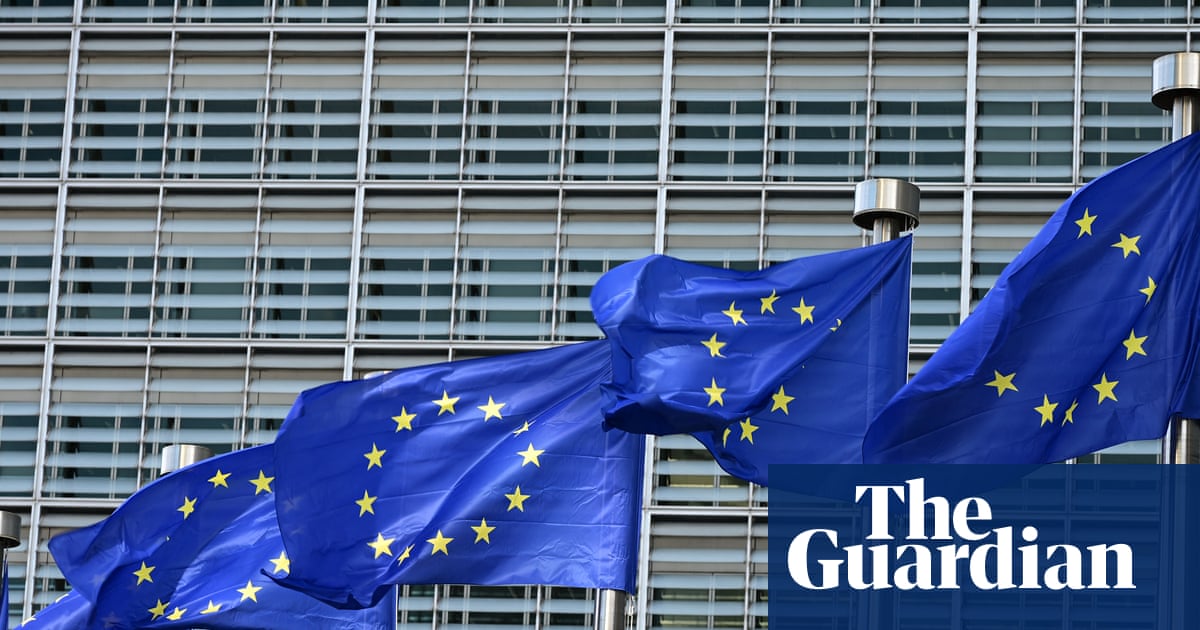
A busy election cycle is approaching across the EU, with voters in several countries due to choose national and regional representatives between late 2026 and the end of 2027.
Spain votes first, on 29 November, and polls point to a likely defeat for Prime Minister Pedro Sánchez’s socialist coalition by rightwing parties.
France, Poland and Italy also face elections, where nationalist parties could make gains or seek to stay in power.
Nationalist parties want a looser European Union that gives more authority to individual countries, rather than leaving the bloc altogether.
Yet 74% of Europeans say EU membership benefits their country, a record level, as many look to the bloc for stability after Brexit and amid global uncertainty.
Slow growth and rising living costs have weakened traditional parties, and the election results could change how the EU works; the ballots are still ahead.

A sequence of elections from late November 2026 through the end of 2027 could strengthen nationalist parties and alter the European Union’s direction.
Voters in four of the EU’s five largest member states are due to go to the polls.
Spain’s snap general election on 29 November is the first election in the cycle.
Nationalist parties could challenge or unseat governing coalitions in Spain, France and Poland, while Giorgia Meloni is seeking a second term in Italy.
The article links the shift to sluggish growth, ageing populations, strained public finances and rising living costs, despite strong public support for EU membership.
- Who
- Voters in EU countries, including Spain, France, Poland and Italy.
- What
- A sequence of elections could boost nationalist parties and reshape the EU’s political direction.
- When
- From late November 2026 through the end of 2027.
- Where
- Across the EU, including elections in Spain, France, Poland and Italy.
- Why
- Sluggish growth, ageing populations, strained public finances and rising living costs have weakened support for traditional parties.
Nationalist parties
Pro-EU mainstream parties
The EU's future
Nationalist parties
Nationalists want to transform the bloc into a looser association of sovereign nation-states.
Pro-EU mainstream parties
The article describes the centre-left and centre-right parties as traditional political forces facing declining support.
National sovereignty
Nationalist parties
Nationalists view the EU as a top-down project that undermines national sovereignty.
Pro-EU mainstream parties
Not stated
The electoral sequence is due to begin with Spain's snap general election on 29 November.
Presidential and parliamentary elections are due in France.
Poland is due to hold an election that could unseat Donald Tusk's liberal coalition.
Italy is due to hold elections in which Giorgia Meloni hopes to secure a second term.
- Spain election
- 29 November
- Spain's governing coalition
- Prime Minister Pedro Sánchez's socialist coalition
- French presidential frontrunner
- Marine Le Pen of the National Rally
- EU membership support
- 74% of Europeans say their country benefits from membership
- Italy's governing party
- Giorgia Meloni's Brothers of Italy
What people are saying
dramatically change the face of Europe
a slow erosion of the European project but a hollowing out, if not an outright implosion