

Science & Tech · AI · 12 hrs ago
Prometheus myth shows both the promise and risks of technical progress
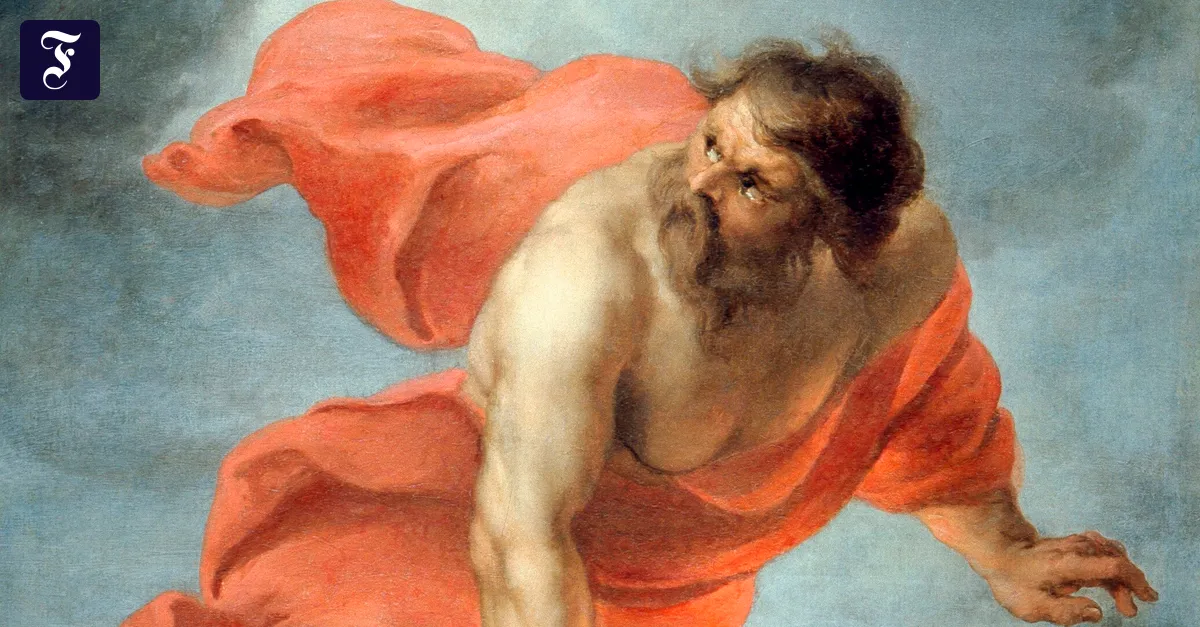
Classicist Jonas Grethlein discusses the Prometheus myth and its long influence on ideas about technology.
In the Greek story, the Titan Prometheus steals fire from Zeus and gives it to humans, who had lost it after a dispute over sacrifices.
Zeus punishes Prometheus and sends Pandora to humanity, making the myth about more than a gift of fire.
Fire helped people cook new foods and settle colder places, and it later became a symbol of technological progress.
The myth also warns that human ambition can bring harm, including when people try to control nature without recognising their limits.
Grethlein says modern admirers of Elon Musk, who has used the phrase “Prometheus Unbound” around a rocket launch, often overlook this darker side.
He argues that progress should not be treated as purely positive, though the interview gives no specific next steps.

Classical scholar Jonas Grethlein says the Prometheus myth captures both the possibilities and dangers of technical progress.
In the Greek story, Prometheus steals fire from Zeus and gives it to humanity.
Grethlein says fire enabled people to cook new foods and settle colder regions, and later became a symbol of technological progress.
He argues that modern admirers of the myth often focus on human achievement while overlooking its warnings about hubris and human limits.
- Who
- Jonas Grethlein, a classical scholar who researches and teaches in Heidelberg.
- What
- Grethlein discusses how the Prometheus myth reflects the promise and risks of technical progress.
- When
- The interview was published on November 21, 2026.
- Where
- Not stated
- Why
- The myth continues to inform discussions about technical progress and humanity’s efforts to control nature.
Promethean progress advocates
Jonas Grethlein
Meaning of Prometheus
Promethean progress advocates
Elon Musk’s use of the phrase Prometheus Unbound and comparisons by his supporters present the figure as a positive symbol of progress.
Jonas Grethlein
Grethlein says this view overlooks the myth’s persistent “shadow side,” including hubris and the consequences of human ambition.
Hesiod, the earliest source for the myth, mentions Prometheus in the Theogony and Works and Days.
Prometheus tricks Zeus over the division of sacrificial offerings, and Zeus takes fire from humans.
Prometheus steals fire back and gives it to humans; Zeus punishes him and sends Pandora to humanity.
FAZ publishes its interview with Jonas Grethlein about the myth and technical progress.
- Interviewee
- Jonas Grethlein, classical scholar
- Earliest source
- Hesiod, who lived around 700 BC
- Gift to humanity
- Fire, brought back by Prometheus in a fennel stalk
- Punishment
- Prometheus is chained to a rock in the Caucasus, where an eagle eats his liver each day
- Publication
- FAZ, November 21, 2026
What people are saying
The Prometheus myth tells, not least, how human beings try to make themselves at home on Earth and increasingly control nature.
It is often received one-sidedly, and that says a lot about our present and our relationship to technical progress.
This shadow side was always present in antiquity.