

Politics · Spain · 4 hrs ago
Spain’s Supreme Court lets 189,678 children of new citizens vote
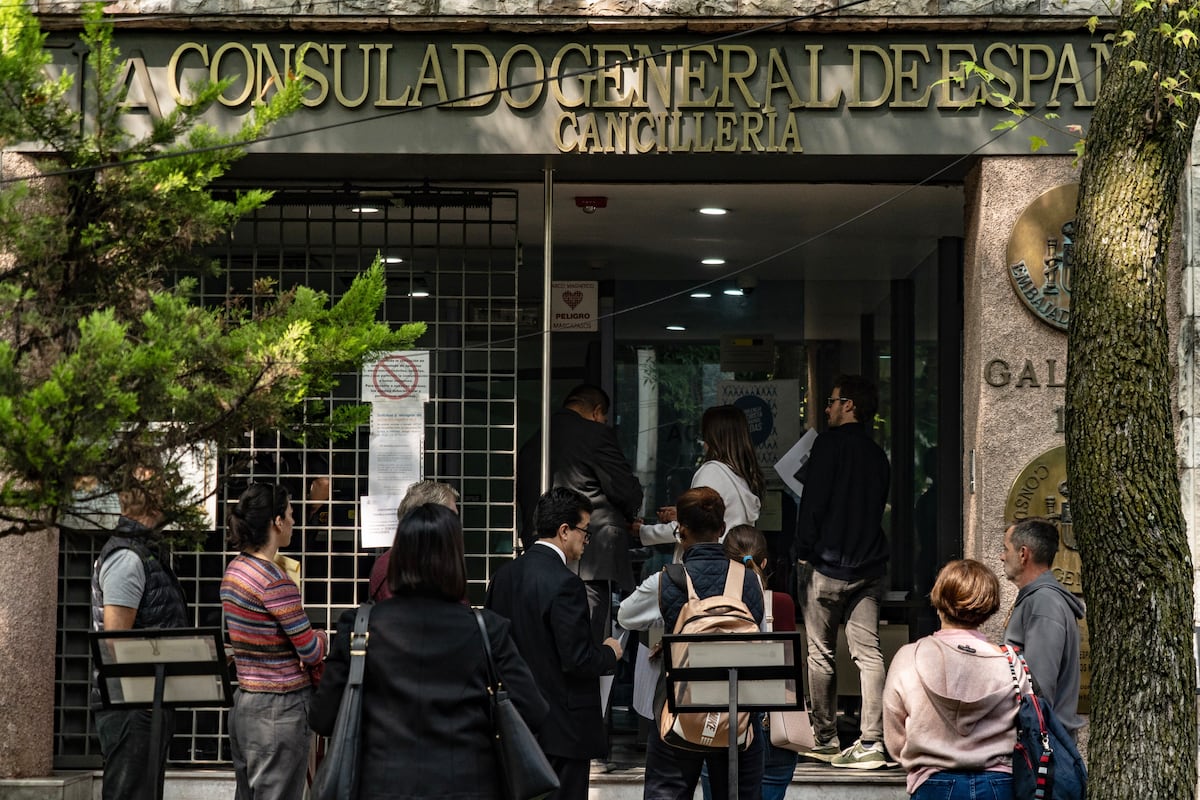
Spain’s Supreme Court has kept the voting rights of 189,678 Spanish citizens who gained nationality through their parents under the Democratic Memory Law.
They live abroad and will be eligible to vote in Spain’s general election on 29 November.
The ruling rejects a request from Iustitia Europa and Vox to extend a voting suspension already imposed on another group of new citizens.
The court says changing the overseas electoral register so close to the election would threaten legal certainty and electoral stability.
In September, the court suspended the vote for more than 163,000 people whose Spanish nationality was granted under a different part of the law, because they had not proved their ancestors were exiles.
The court has restored voting rights to 901 people who provided that proof, while the suspension remains for the rest of that group.
The ruling means the two groups will be treated differently in the 29 November election.

Spain’s Supreme Court has rejected a request to suspend the voting rights of 189,678 people who obtained Spanish citizenship as children of newly naturalized citizens.
The ruling means they can vote in the general election scheduled for 29 November 2026.
The court said a late change could undermine legal certainty and electoral stability.
The request was made by Iustitia Europa and Vox, which sought to extend an existing voting suspension to this group.
The court separately maintained a suspension affecting more than 163,000 other newly naturalized citizens, while allowing 901 who proved descent from exiles to vote.
- Who
- Spain’s Supreme Court ruled on a request by Iustitia Europa and Vox.
- What
- It rejected suspending the voting rights of 189,678 newly naturalized citizens’ children.
- When
- The ruling was issued on 9 November 2026, ahead of the general election on 29 November.
- Where
- The ruling concerns Spanish citizens living abroad who vote, including through consulates.
- Why
- The court said a late review could threaten legal certainty and electoral stability.
Iustitia Europa and Vox
Spain’s Supreme Court
Scope of voting suspension
Iustitia Europa and Vox
They asked the court to extend the suspension to the children of people whose voting rights had already been suspended.
Spain’s Supreme Court
It rejected the request and kept the children’s voting rights in place.
Timing and electoral process
Iustitia Europa and Vox
They sought the extension during the election period.
Spain’s Supreme Court
The court said a late review could undermine legal certainty and electoral stability.
The Supreme Court ordered more than 163,000 newly naturalized citizens excluded from the electoral register.
The Supreme Court rejected a request to extend the voting suspension to 189,678 children of newly naturalized citizens.
Spain’s general election is scheduled to take place.
- Affected children
- 189,678
- Existing suspension
- More than 163,000 newly naturalized citizens
- Eligible proven descendants
- 901
- Court ruling
- 9 November 2026
- General election
- 29 November 2026
2 sources
What people are saying
adopting precautionary measures just weeks before the general election would put legal certainty and the stability of the electoral process at risk
contrary to the requirements arising from the principles of legal certainty and electoral stability