

Health · Medical Research · 10 hrs ago
E. coli toxin emerges as leading suspect in rise in bowel cancer among under-50s
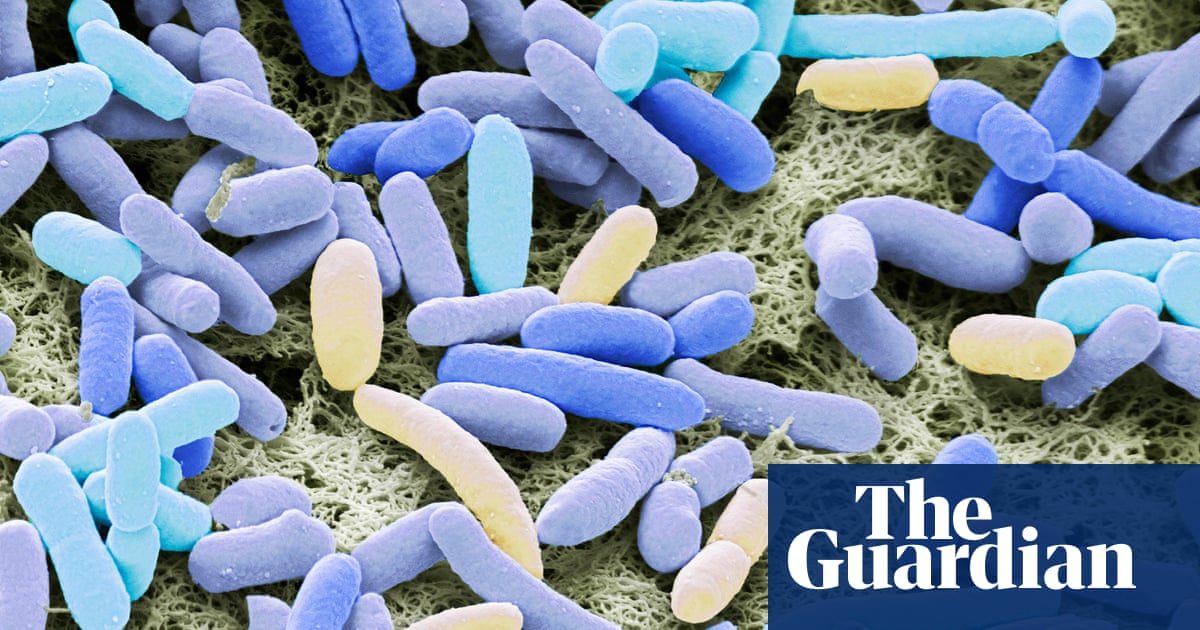
An Oxford epidemiologist told MPs that a bacterial toxin may help explain rising bowel cancer rates among under-50s.
The toxin, called colibactin, is made by some E. coli bacteria that can live in the gut.
Studies have found toxin-linked DNA damage was more than three times as common in tumours from people under 40 than in those from people over 70.
The evidence is not conclusive, and researchers are still testing whether colibactin causes cancer.
Experts think exposure may happen in early childhood or even before birth, so damage could build up long before diagnosis.
Scientists will continue investigating the link, while people can reduce known risks such as smoking, alcohol use and obesity.

Colibactin, a toxin produced by some E. coli bacteria, has emerged as a leading suspect in the rise of bowel cancer among people under 50.
Oxford epidemiologist Karl Smith-Byrne told MPs that known risk factors such as obesity, smoking and alcohol explain only about half of diagnosed cases.
Researchers say more work is needed to determine whether colibactin causes bowel cancer.
DNA damage linked to the toxin was reported to be more than three times as common in tumours from people under 40 than in those from people over 70.
Experts say exposure may occur early in life, but it remains difficult to study when and how it happens.
- Who
- Researchers and cancer experts, including Dr Karl Smith-Byrne, discussed the potential link; the possible impact is on people under 50 with bowel cancer.
- What
- Colibactin, a toxin produced by some E. coli variants, is a leading suspect in the rise in early-onset bowel cancer.
- When
- Experts discussed the issue at a parliamentary committee hearing; the hearing date is not stated.
- Where
- The Commons science and technology committee in the UK.
- Why
- Known risk factors explain only about half of diagnosed cases, and researchers are investigating whether early-life exposure to colibactin may contribute.
This story does not have two clearly opposing sides.
Scientists identified colibactin as a potential driver of early-onset colorectal cancer.
Dr Karl Smith-Byrne told MPs that colibactin was probably the leading explanation for the rise in early-onset bowel cancer.
Experts said the potential role of colibactin remains under investigation and may involve exposure early in life.
- Toxin
- Colibactin, produced by some variants of E. coli
- Age comparison
- DNA damage linked to colibactin was more than three times as common in tumours from people under 40 than in those from people over 70
- Known risk factors
- Obesity, smoking and alcohol explain only about half of cases, according to Smith-Byrne
- UK trend
- Bowel cancer diagnoses among under-50s are around 50% higher than 30 years ago, according to the Daily Mail
- Global trend
- Cases of early-onset bowel cancer have doubled in many countries in the past two decades, according to the Guardian
3 sources
Cáncer de colon en jóvenes: cuál es la bacteria que deja huellas en el ADN y podría estar detrás del aumento de casos
Top scientist: Food poisoning bug is now 'leading explanation' for epidemic of young bowel cancers - not obesity or junk food
Bacterial toxin produced by E coli leading suspect in rise in bowel cancer among under-50s
What people are saying
That’s probably the leading explanation at the moment.