

Business · Companies · 15 hrs ago
South Korea's low birth rate drives premium baby goods boom
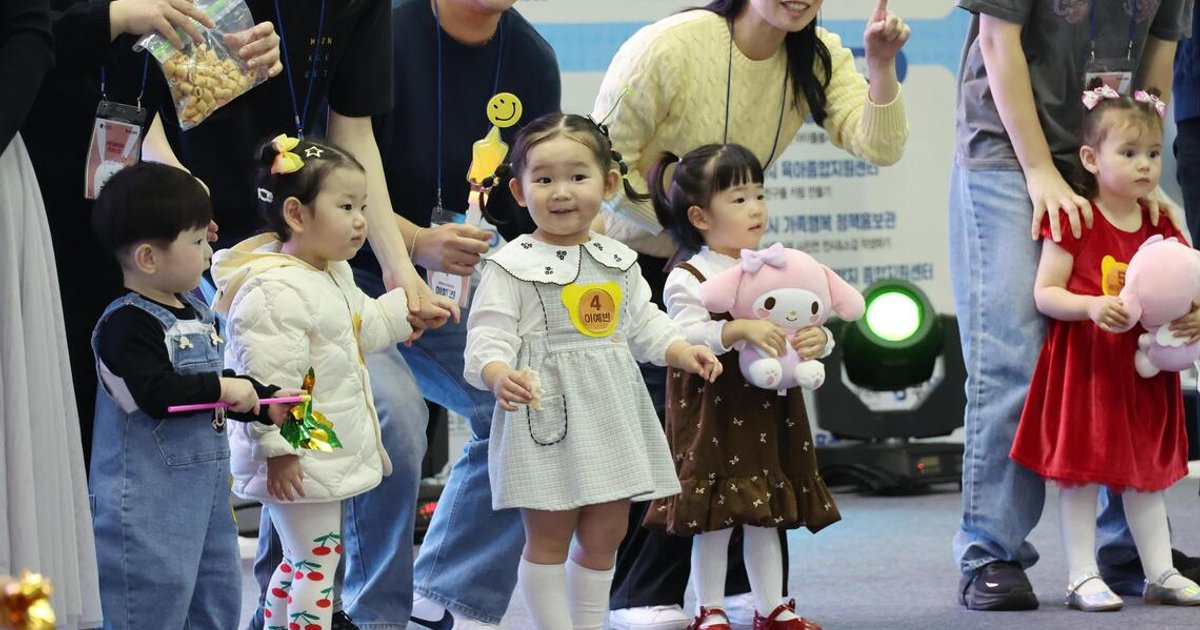
South Korea’s online spending on baby and children’s products hit a record 5.48 trillion won in 2025, despite the country having one of the world’s lowest birth rates.
The total was about 67% higher than in 2017.
With many families having one child, parents and relatives often pool money to buy that child premium goods, a trend known locally as “ten pocket syndrome.”
Department stores have reported strong growth in luxury children’s clothes and premium baby products.
Marketers call these children “Very Important Babies,” and say the trend helps brands offset a shrinking number of young customers.
Researchers say competitive pressures and parents’ desire to give their child the best start can add to the spending.

South Korea’s online spending on baby and children’s products reached a record 5.48 trillion won (S$5.15 billion) in 2025.
The total was about 67% higher than in 2017, despite the country’s low birth rate.
Department stores reported strong growth in sales of luxury children’s clothing and premium baby goods in 2026.
Families and relatives are concentrating spending on fewer children, a trend known locally as “ten pocket syndrome.”
- Who
- South Korean families, relatives and retailers are driving the trend.
- What
- Spending on premium baby and children’s goods is rising as families invest more in each child.
- When
- Online spending reached a record in 2025; department stores reported sales growth in the first half of 2026.
- Where
- South Korea.
- Why
- Families have fewer children and may spend more on each one, with parents also seeking to give their children the best possible start.
This story does not have two clearly opposing sides.
Online spending on baby and children’s products began rising toward its 2025 record, increasing about 67% over the period.
Online spending on baby and children’s products reached 5.48 trillion won.
Hyundai Department Store reported a 50% rise in luxury children’s clothing sales, while Shinsegae reported growth of more than 20%.
Stokke chose Seoul’s Seongsu neighbourhood for the global launch of its latest stroller.
- Online spending in 2025
- 5.48 trillion won (S$5.15 billion)
- Increase since 2017
- About 67%
- Hyundai luxury children’s clothing sales
- Up 50% in the first half of 2026
- Shinsegae luxury children’s clothing sales
- Growth of more than 20% in the first half of 2026
- Lotte premium baby goods sales
- More than doubled
- Stokke Tripp Trapp high chair price
- Up to 700,000 won in South Korea
What people are saying
Because I have just one child, I always think: ‘this is the last year my kid will be five, this is the last year they’ll be six.’
Now they have fewer children and there is a powerful drive to raise them intensively, to give them everything possible
We see a clear emergence of the ‘VIB’ consumption trend – the desire to give a single child better products and experiences
Even with the low birth rate, people are tending to have just one child and spend a lot more on that one child