

Business · Energy & Commodities · 4 hrs ago
Iran War Disrupts Gas Demand Forecasts as Prices Spur Alternatives
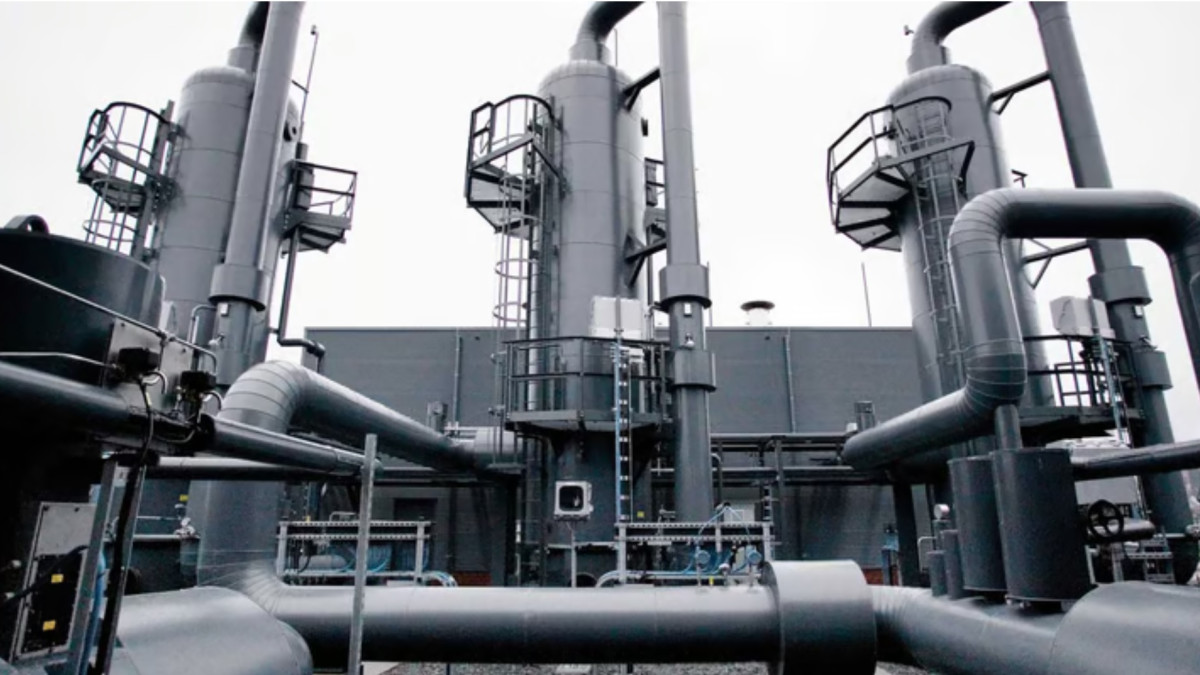
The Iran war has disrupted Middle East gas supplies, changing expectations for natural gas demand and import costs.
This year, high prices have led Europe and Asia to rely more on renewables and coal for power.
The shift follows the 2022–2023 energy crisis, and governments are again making energy security a priority.
Gas remains important for industrial uses such as making steel, cement and fertilizer, and some electricity systems still depend on it for reliable supply.
But renewables have met much of the growth in global electricity demand, while the share of gas in the power mix has fallen for five years through 2025.
The long-term outlook for gas demand is uncertain: exporters remain upbeat, but the current crisis has raised questions about whether demand will grow as previously expected.

The Iran war and reduced Middle Eastern liquefied natural gas supplies have disrupted forecasts for near-term natural gas demand and import costs.
European and Asian economies have relied more on renewables and coal to offset reduced gas supplies purchased at high prices.
Natural gas demand declined this year as prices reached a four-year high, prompting governments to put energy security at the top of their policy priorities.
Data cited from Ember show gas’s share of the global electricity mix fell for a fifth consecutive year in 2025, even as absolute gas generation rose slightly.
The article says gas remains important in industry and electricity systems, while renewables are increasingly meeting power demand growth.
- Who
- Gas market participants, governments, and natural gas producers and exporters are affected.
- What
- The Iran war and reduced Middle Eastern LNG supplies have disrupted gas demand forecasts and increased import costs.
- When
- The disruption is described as occurring this year; the article was published on October 29, 2026.
- Where
- Europe and Asia are identified as relying more on renewables and coal; the article discusses global gas demand.
- Why
- Reduced gas supplies and prices at four-year highs have led consumers to use alternatives and governments to rethink energy policy.
Expectations of continued natural gas demand growth
The shift toward alternatives
Long-term demand
Expectations of continued natural gas demand growth
The article says exporters remain upbeat on long-term gas demand and notes gas’s industrial uses.
The shift toward alternatives
Gas demand has declined this year, while renewables and coal have helped replace reduced supplies.
Electricity generation
Expectations of continued natural gas demand growth
Gas remains necessary for reliable electricity in major economies that rely on it.
The shift toward alternatives
Gas’s share of the power mix has fallen, as renewables meet a growing share of electricity demand.
Russia invaded Ukraine and cut off pipeline gas supply to most of Europe, according to the article.
The share of gas in the global power mix declined for the fifth consecutive year, despite a small rise in absolute gas generation.
The Iran war and reduced Middle Eastern LNG supplies disrupted gas demand forecasts, while Europe and Asia used more renewables and coal.
OilPrice published the article.
- Publication date
- October 29, 2026
- Gas prices
- Four-year highs this year
- Gas power share
- Declined globally for the fifth consecutive year in 2025
- Clean power
- Solar and wind met around 68% of global electricity demand growth over the five years to 2025
- Economies past gas generation peak
- 61 out of 124 economies generating electricity from gas
- China’s gas share
- Close to 3% of its electricity mix in 2025
What people are saying
The economics and energy security case for electricity are increasingly moving in the same direction.
As renewables lower costs and reduce exposure to fuel price shocks and geopolitical disruptions, gas is steadily losing the advantages that once made it the default fuel for power system growth.
Gas is losing its share in the global power mix as renewables increasingly meet rising electricity demand.