

Science & Tech · Science & Environment · 1 hr ago
Artificial rocks help four released broad-headed snakes survive
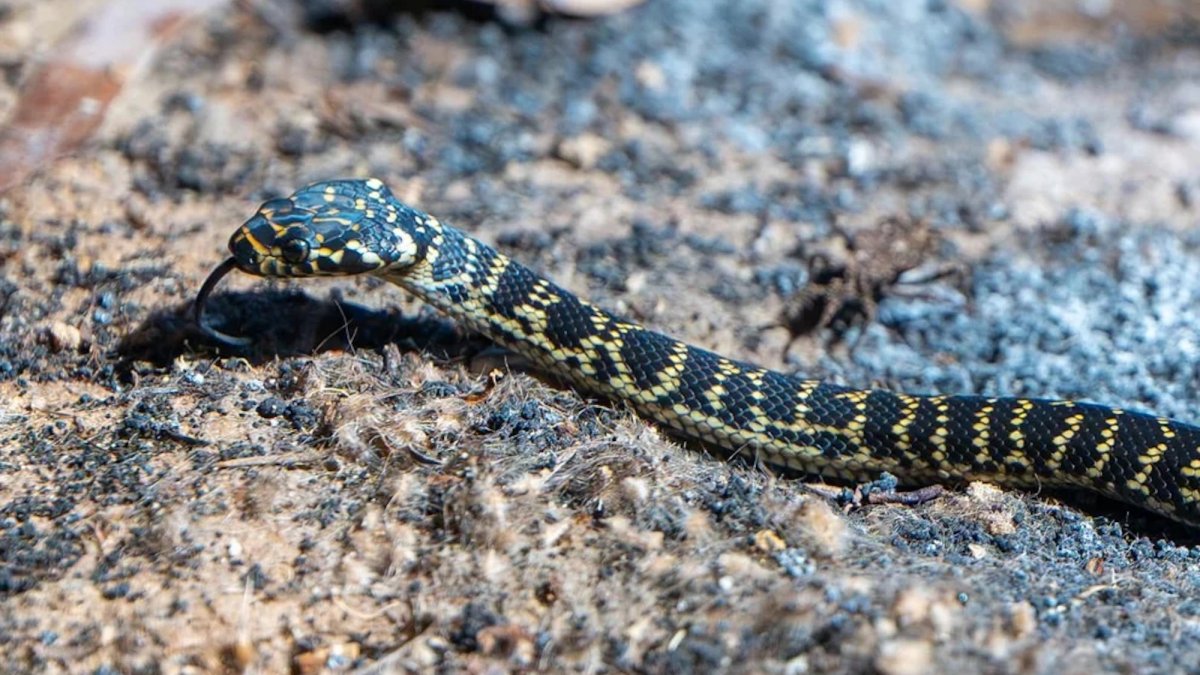
Researchers released six captive-bred broad-headed snakes at restoration sites in Australia’s Shoalhaven region in May.
Four survived their first, most dangerous months in the wild.
The threatened species is slow to reproduce: snakes take about five years to mature, and females mate only every two or three years.
Young snakes rely on bush rocks for shelter and warmth, but habitat damage, fires, drought and the removal of rocks for landscaping have added to the risks they face.
The research team placed the juveniles beneath custom rocks designed to mimic natural shelters and help attract prey.
The early results suggest artificial rocks could support efforts to rebuild the species’ population.
Researchers hope to expand the program and release more snakes at other sites in Australia.

Four of six captive-bred juvenile broad-headed snakes survived their first months after release in Australia.
Researchers placed the snakes beneath custom artificial rocks designed to provide shelter, warmth and protection.
The release took place at restoration sites in May, as part of a program led by the University of Technology Sydney with Aussie Ark and Indigenous representatives.
The broad-headed snake is threatened by habitat destruction, climate change, wildfires and invasive predators.
Researchers hope to expand the program and release more captive-bred snakes.
- Who
- Researchers released six captive-bred juvenile broad-headed snakes; four survived their initial months outdoors.
- What
- The release tested whether custom artificial rocks could support the snakes’ survival.
- When
- The snakes were released in May. The article was published on November 9, 2026.
- Where
- Restoration sites in Australia; the team worked with Indigenous representatives of the Traditional Owners of the Shoalhaven region.
- Why
- The broad-headed snake is threatened, and juveniles need shelter and suitable habitat to survive.
This story does not have two clearly opposing sides.
Webb’s team began breeding broad-headed snakes in captivity.
Researchers released six juveniles at restoration sites, placing them beneath custom artificial rocks.
Four of the six snakes survived their initial, most dangerous months outdoors.
- Survivors
- 4 of 6 released juveniles
- Species
- Broad-headed snake (Hoplocephalus bungaroides)
- Captive breeding
- Eight snakes bred by the team since 2024
- Maturity
- Broad-headed snakes begin reproducing around five years old
- Rock price
- A single bush boulder can sell for as much as $450
What people are saying
Reintroducing any threatened species is challenging, especially when they’re captive bred
Broad-headed snakes are nocturnal so they shelter under these rocks during the day and rely on them for warmth, protection and to attract prey
We now have a unique, multi-faceted, holistic program that’s a model for threatened species conservation Australia-wide, and I couldn’t be prouder of our team and our partners