

Health · Medical Research · 4 hrs ago
Study of insect-killing bacteria could guide searches for new antibiotics
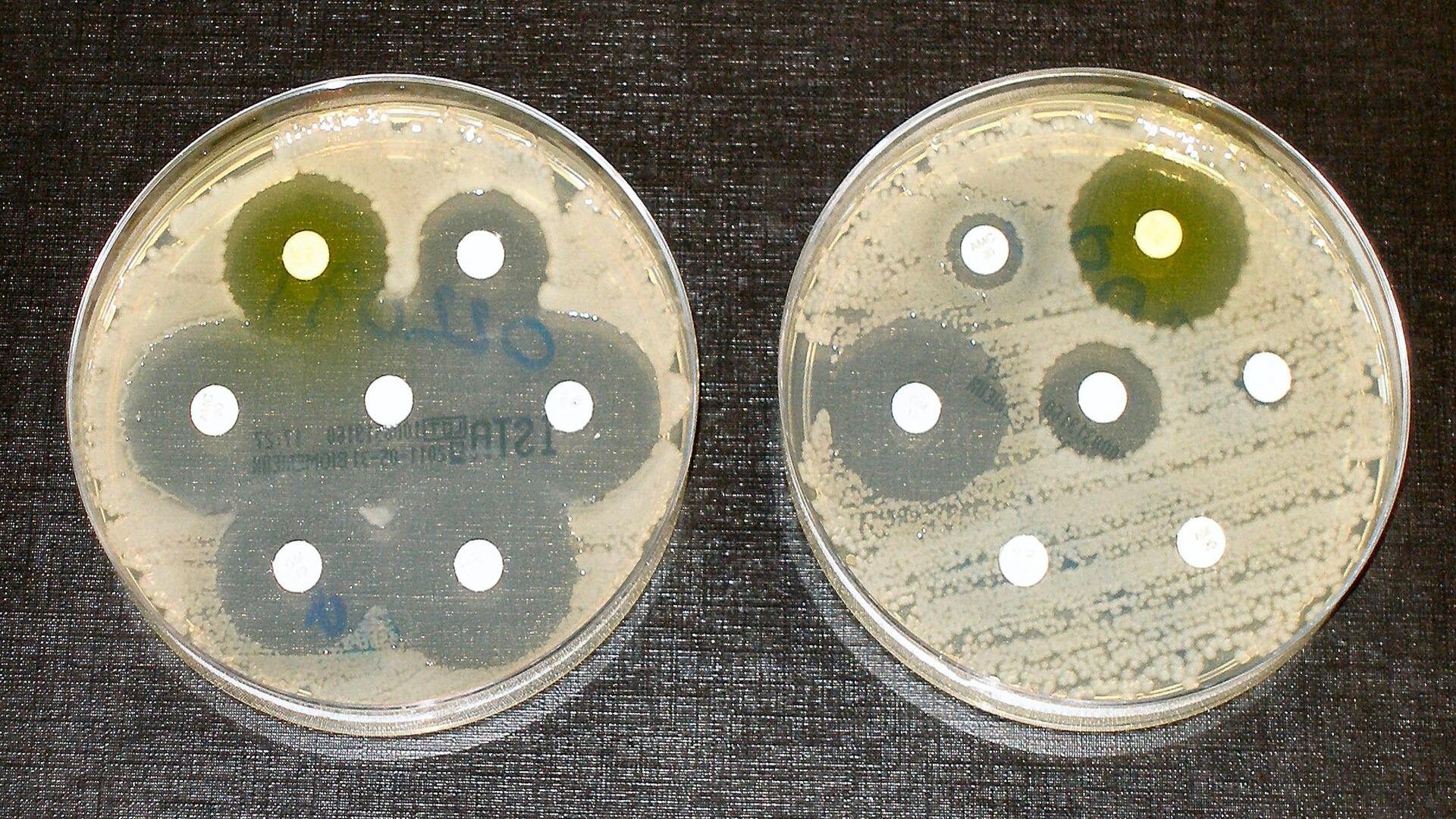
Researchers in Germany studied bacteria carried by tiny worms to learn how they make insect-killing compounds called GameXPeptides.
The bacteria live with nematodes, which release them when they enter an insect, where the compounds help kill the host.
The team traced the evolution of an enzyme that makes the compounds and identified 49 different compounds, including side products.
Their findings show that natural selection, random genetic changes and DNA exchange all help shape which versions emerge.
Because some antibiotics belong to the same broad chemical class, understanding these processes could help scientists search for new antibiotics that work against resistant infections.
The study examined one family of compounds, so further research is needed to find out whether the same evolutionary patterns apply to other medically useful substances.

Researchers studied insect-killing bacteria that live with tiny worms called nematodes, finding how genetic changes shape the bacteria’s GameXPeptides.
The study identified 49 compounds, including side products, and examined the enzyme that produces them.
Natural selection, genetic drift and recombination all help shape the peptides’ diversity.
The findings could guide searches for new antibiotics, but further research is needed to see whether the same principles apply to peptides used in medicine.
- Who
- Researchers at the Max Planck Institute for Terrestrial Microbiology and the University of Marburg.
- What
- They studied how insect-killing bacteria produce different versions of GameXPeptides and how those compounds evolved.
- When
- The study’s publication date is not stated. The article was published on 2026-10-24.
- Where
- The research focused on Xenorhabdus and Photorhabdus bacteria that live with nematodes.
- Why
- To understand how bacterial compounds diversify and potentially guide searches for new antibiotics.
This story does not have two clearly opposing sides.
The bacteria are released and produce GameXPeptides that kill the insect.
Researchers reconstructed the evolutionary history of GxpS, the enzyme that produces GameXPeptides.
The team identified 49 compounds, including side products.
- Researchers
- Max Planck Institute for Terrestrial Microbiology and University of Marburg
- Bacteria studied
- Xenorhabdus and Photorhabdus
- Compounds identified
- 49, including side products
- Synonymous recombination events
- 27, which did not alter peptide structures
- Nonsynonymous recombination events
- 26, which could change peptide structures
What people are saying
It felt like playing five-dimensional chess
Frequent recombination obscures the evolutionary history of these enzymes—each recombination event overwrites a piece of their past. But it is precisely this complexity that makes the system so fascinating.
Our results show that the conceptual framework we developed for the GameXPeptides can serve as a guide to decipher the evolutionary forces acting on other natural product families, such as the polyketide synthases, which like NRPS, produce many clinically relevant natural products