

Science & Tech · Science & Environment · 3 hrs ago
UN report warns climate overshoot could cause lasting ice loss
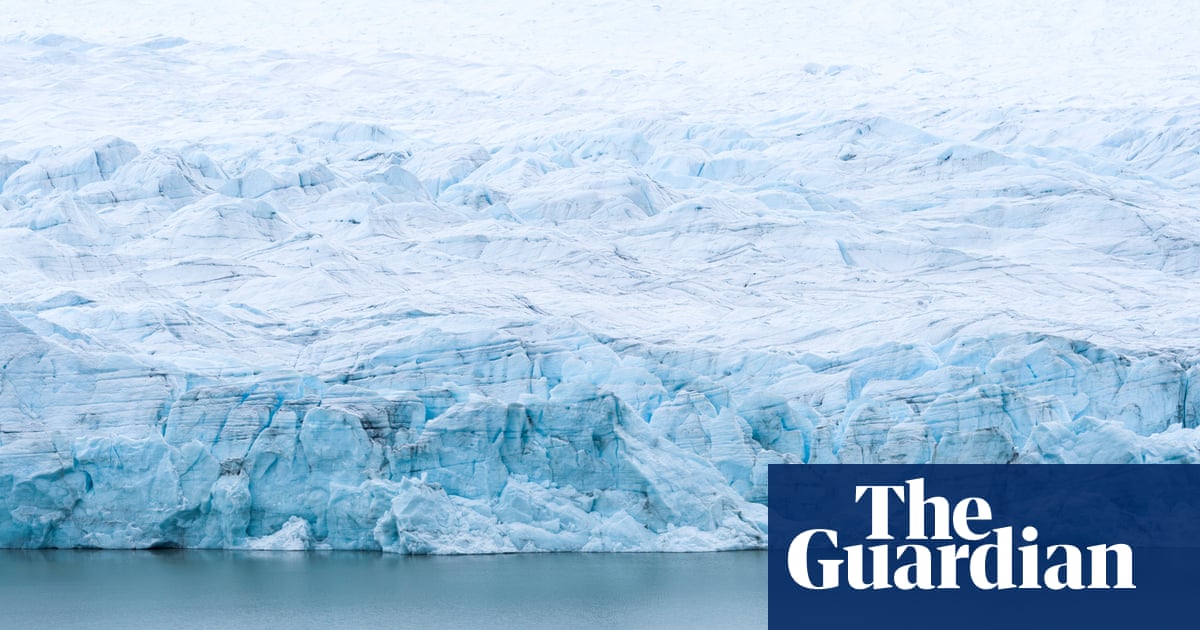
A report by 80 scientists warns that overshooting 1.5C could permanently damage Earth’s icy regions.
The cryosphere includes ice and snow on land and in the oceans, and it is already changing as the planet warms.
Earth has heated by 1.3C since pre-industrial times, and scientists say some overshoot is now likely.
Under current policies, warming could peak at about 3C, thawing nearly all near-surface permafrost and raising the risk of serious disruption to ocean circulation.
Some losses would persist even if temperatures later fall, including glacier melt that raises sea levels and threatens water supplies.
The scientists say warming above 1.5C should last as briefly as possible, with carbon removed from the atmosphere to bring long-term warming ideally below 1C by 2150.

A UN report warns that overshooting the Paris Agreement’s 1.5C warming target could cause lasting and widespread damage to Earth’s ice and snow.
The report says temperatures should exceed 1.5C for as short a time as possible, then fall much further over the long term, ideally below 1C by 2150.
Under current policies, peak warming of about 3C could thaw nearly all near-surface permafrost and make severe disruption to ocean circulation likely.
Glaciers and the Greenland and Antarctic ice sheets could continue losing ice even if temperatures later return to 1.5C.
The report was written by 80 scientists brought together by the International Cryosphere Climate Initiative and the UN Environment Programme.
- Who
- 80 scientists brought together by the International Cryosphere Climate Initiative and the UN Environment Programme wrote the report.
- What
- The report warns that climate overshoot could cause permanent and widespread losses of snow and ice.
- When
- Published on 2 November 2026.
- Where
- The report concerns Earth’s cryosphere, including glaciers, permafrost, sea ice and polar ice sheets.
- Why
- Greenhouse gas emissions have not been curbed enough, making some overshoot inevitable; the report says ice systems can suffer lasting damage as temperatures rise.
This story does not have two clearly opposing sides.
The Greenland and Antarctic ice sheets were melting about six times more slowly than they are today.
Switzerland lost 20% of its glacier ice.
Thousands of glaciers worldwide are expected to become extinct every year.
The Guardian published its report on the UN findings.
- Report authors
- 80 scientists
- Current global heating
- 1.3C above pre-industrial times
- Peak warming under current policies
- About 3C
- Long-term warming goal
- Ideally below 1C by 2150
- Switzerland glacier loss
- 20% in the last five years
What people are saying
one of the most sensitive components of the climate system
Snow and ice respond rapidly to every fraction of a degree of warming,