

Business · Energy & Commodities · 3 hrs ago
Rising Shipping Costs Force Oil Producers to Cut Prices
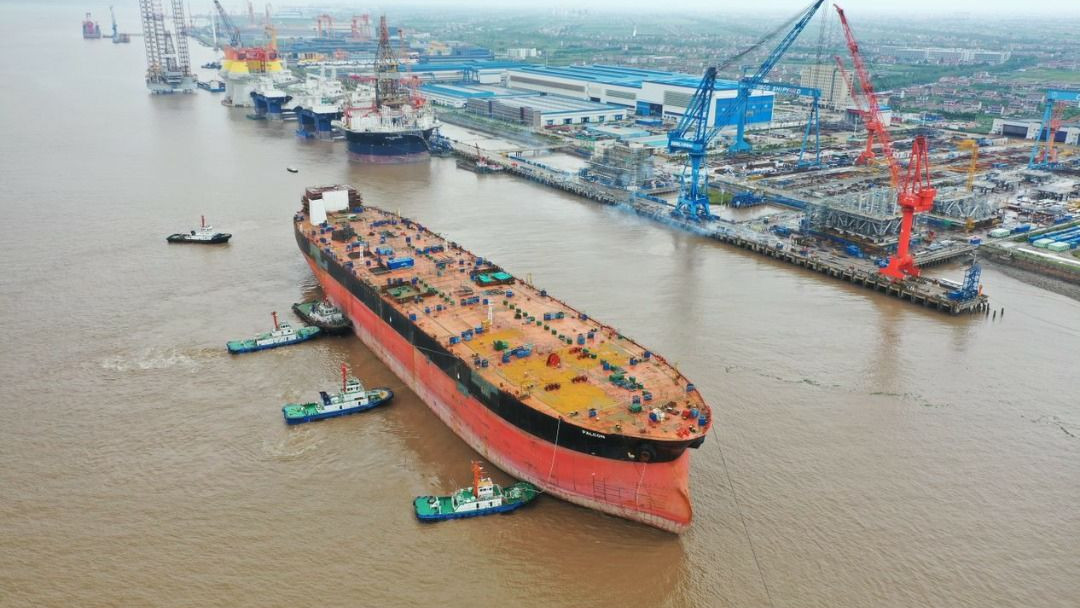
Soaring tanker costs are reshaping global oil trade by making it more expensive to deliver crude to buyers.
The pressure is especially strong in the Middle East, where shipping crude from the Gulf to China reached $33 a barrel by late September.
The increase followed the August expiry of a US-Iran ceasefire, after which freight costs climbed again.
High freight costs have pushed delivered prices beyond what some refiners will pay, including Chinese buyers who are waiting for transport costs to ease.
Saudi Aramco set a November price for its Arab Light crude at a $5-a-barrel discount to Oman and Dubai prices to help offset shipping costs.
Some Saudi sellers are agreeing prices now for oil to be loaded later, but their returns depend on future freight costs.
Brazilian crude offers to China have also slowed, making India a more attractive destination for those sellers.

Rising shipping costs are forcing oil producers to cut prices or seek buyers closer to home.
Freight from the Middle Eastern Gulf to China reached $33 a barrel by late September, pushing landed costs to around $140 a barrel.
Chinese refiners are reluctant to pay those delivered prices and are waiting for transport costs to ease.
Saudi Aramco set a November price discount for Arab Light and is arranging sales for future loading, leaving returns exposed to freight costs.
Higher freight has also slowed Brazilian crude offers to China, making India a more attractive destination for Brazilian sellers.
- Who
- Oil producers, including Saudi Aramco and Brazilian sellers, and buyers such as Chinese refiners.
- What
- Rising shipping costs are prompting producers to cut price differentials or seek other buyers.
- When
- Freight costs rose in waves after the war began in March; rates reached new highs by late September and mid-October.
- Where
- The pressure is affecting Middle Eastern and Brazilian oil shipments to China, as well as other export routes.
- Why
- Higher freight costs have pushed delivered crude prices above what some refiners are willing to pay.
Oil producers and sellers
Chinese refiners
Price strategy
Oil producers and sellers
Sellers are cutting differentials or fixing prices for future loading to secure buyers.
Chinese refiners
Refiners are waiting for transport costs to ease and seeking delivered prices closer to $130 a barrel.
Freight costs
Oil producers and sellers
Sellers face higher costs that can reduce or erase their margins.
Chinese refiners
High shipping costs make delivered crude too expensive to buy.
The war began, and Middle Eastern crude freight rates surged in an initial wave.
Gulf-to-China VLCC freight eased to $11–12 a barrel after its initial rise.
The US-Iran ceasefire expired, triggering another steep increase in freight rates.
Gulf-to-China freight reached $33 a barrel, taking landed costs in China to around $140 a barrel.
Yanbu-to-China freight reached $28 a barrel, while Brazil-to-China VLCC freight reached around $36 a barrel.
- Gulf-to-China freight
- $33/bbl by late September
- Middle Eastern Gulf landed cost in China
- Around $140/bbl
- Saudi Arab Light November OSP
- $5/bbl discount to Oman/Dubai
- Yanbu loadings
- 1.6–1.8 million b/d
- Brazil-to-China freight
- Around $36/bbl by mid-October
- Chinese refiners’ target delivered price
- Closer to $130/bbl